From Nora vs. Vilma to KathNiel vs. JaDine, explore the iconic rivalries that shaped Pinoy pop culture.
Imagine entering a movie house in the 1970s and casually saying Vilma Santos was the better actress.
A Noranian within earshot might immediately disagree.
Say Nora Aunor was the bigger star and a Vilmanian could fire back with Vilma’s box-office record. Mention an acting award, and someone would have another trophy to cite. Fans argued in movie lines, offices, schools and neighborhood gatherings. Entertainment magazines fed the comparisons. Movie producers understood their power.
Showbiz wasn’t simply entertainment. You picked a side.
And no Philippine showbiz rivalry became bigger than Nora Aunor vs. Vilma Santos.
Nora Aunor vs. Vilma Santos
They were almost perfect opposites.
Nora was the petite, brown-skinned girl from Iriga who rose from poverty through singing contests before becoming the Superstar. Her ascent challenged the conventional mestiza image of a leading lady. Her devotees saw themselves in her: the provincial underdog who conquered Manila.
Vilma was Manila-born, fair-skinned and already a movie star as a child. She could act, dance and headline commercial films, eventually earning the title Star for All Seasons.
Their fans became tribes: Noranians and Vilmanians.
Every new movie could become another referendum. Who had the bigger hit? Who delivered the better performance? Who won the award? Who was really No. 1?
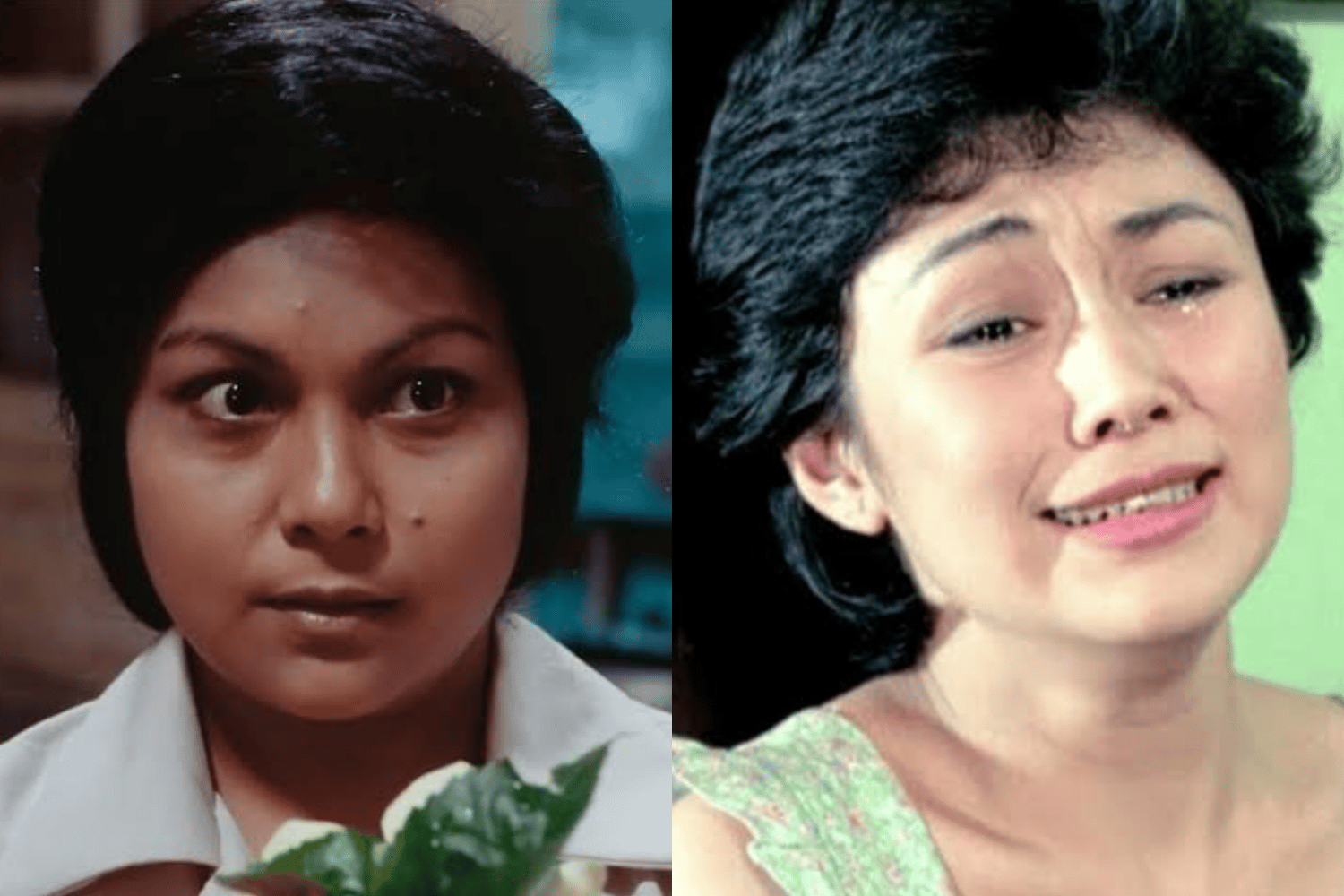
The rivalry became so enormous that putting them together was an event. In 1982, Nora and Vilma finally collided onscreen in “T-Bird at Ako,” with Nora playing a lawyer and Vilma a dancer accused of murder.
Instead of ending the argument, it gave their followers even more material to debate.
Susan Roces vs. Amalia Fuentes
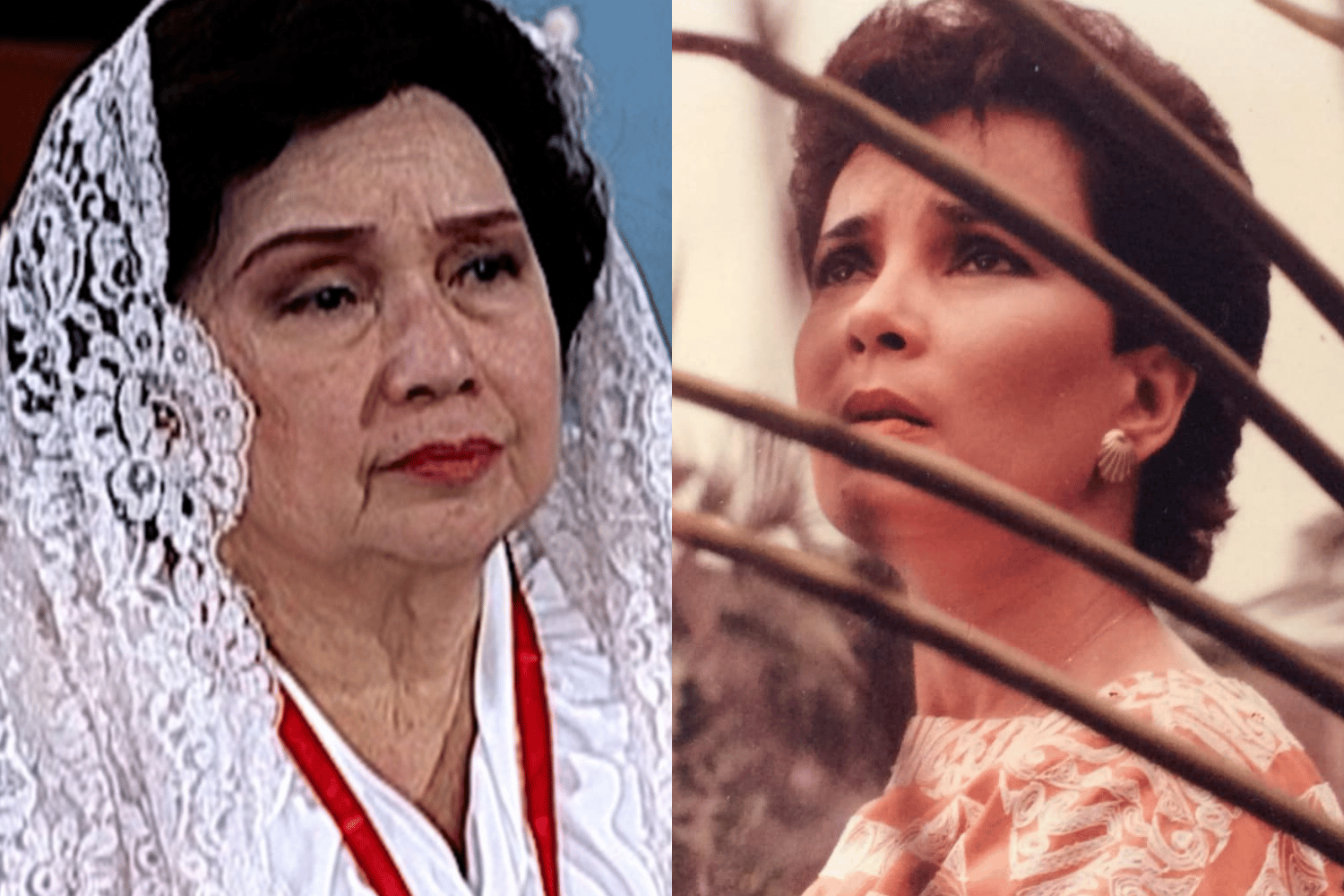
Before Guy and Vi, Philippine cinema already had its battle of queens.
Susan Roces and Amalia Fuentes emerged as two of the defining female stars of the 1960s, and their contrasting images practically invited comparison.
Susan, the “Face of Philippine Movies,” projected sweetness, elegance and the idealized Filipina leading lady. Amalia, dubbed the “Elizabeth Taylor of the Philippines,” was glamorous, outspoken and sensual, with the screen presence of a star who knew she was one.
Their careers unfolded during an era when movie studios manufactured stars, fan clubs wielded enormous influence and magazines could turn perceived competition into national entertainment.
If Susan was the sweetheart, Amalia was the bombshell.
Choosing between them could feel like choosing what kind of movie queen you wanted.
Sharon Cuneta vs. Maricel Soriano

By the 1980s, the battlefield had changed.
Now there was Sharon Cuneta vs. Maricel Soriano.
Sharon became the Megastar: singer, actress, television host, endorser and blockbuster romantic heroine. Her movies turned heartbreak, love and class differences into major commercial events.
Maricel was different.
The Diamond Star could make audiences cry in one movie and roar with laughter in another. Her confrontational dialogue delivery and legendary taray became so identifiable that generations of actors would imitate it.
Their supporters compared box-office grosses, acting awards, endorsements and staying power.
Sharon had Megastar scale.
Maricel had Diamond Star ferocity.
Neither side wanted to concede the crown.
Judy Ann Santos vs. Claudine Barretto

For children who grew up watching 1990s television, the argument eventually became Juday or Claudine?
Judy Ann Santos became synonymous with the Filipino soap-opera heroine after “Mara Clara.” She perfected the character audiences desperately wanted to defend: oppressed, relatable, resilient and capable of surviving seemingly endless suffering.
Then Claudine Barretto exploded through projects such as “Mula sa Puso.”
She offered a different kind of leading lady—glamorous and emotionally intense, capable of moving between vulnerable heroine and darker, more complicated characters.
Both became major movie stars. Both landed endorsements. Both accumulated awards.
And because their careers repeatedly occupied similar spaces, practically every success invited comparison.
Interestingly, this wasn’t really an ABS-CBN-versus-GMA battle at its height. Both were major ABS-CBN stars.
The competition was happening inside the same kingdom.
Angel Locsin vs. Marian Rivera

Few showbiz rivalries came with symbolism as perfect as this one.
Both became Darna.
Angel Locsin’s “Darna” became a phenomenon on GMA in 2005, helping establish her as one of television’s biggest stars.
Then came the shock: Angel transferred to ABS-CBN in 2007.
Back at GMA, another star was rising spectacularly fast. Marian Rivera became a household name through “Marimar,” followed by a succession of major primetime projects.
Then in 2009, Marian became Darna herself.
The comparison practically wrote itself.
Former GMA queen versus new GMA queen. Darna versus Darna. ABS-CBN versus GMA.
Fans fought over ratings, beauty, acting, dancing, magazine covers, endorsements and the title of primetime queen.
This time, the rivalry wasn’t confined to showbiz magazines.
The internet had arrived.
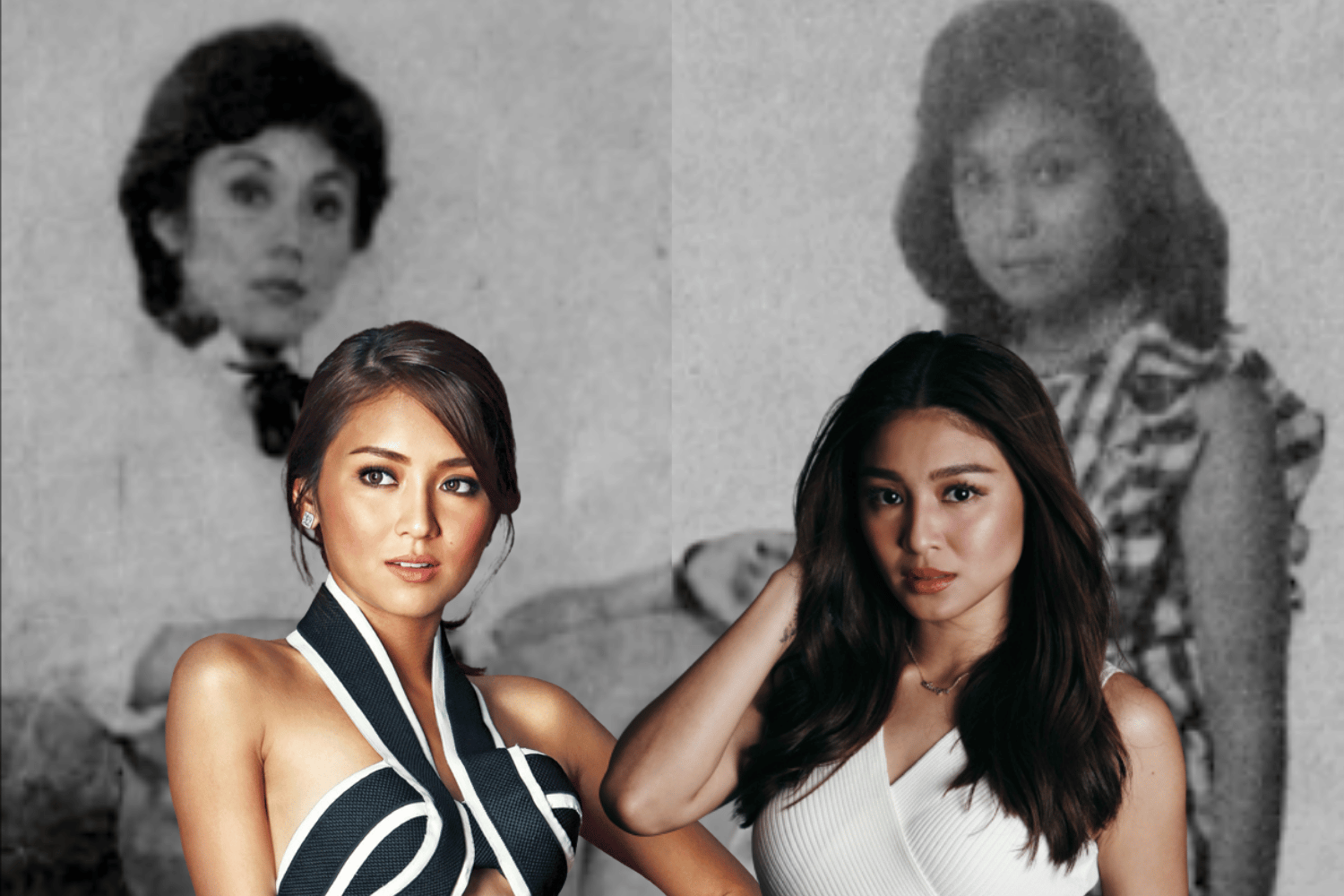
Kathryn Bernardo vs. Nadine Lustre

By the 2010s, Filipino fan wars had become digital warfare.
Kathryn Bernardo and Daniel Padilla had KathNiel.
Nadine Lustre and James Reid had JaDine.
Suddenly, fandom could be measured in hashtags, trending topics, YouTube views, Instagram followers, movie grosses and sold-out concerts.
Kathryn represented formidable mainstream power. Her movies became enormous commercial successes, while her wholesome image made her one of her generation’s most bankable endorsers.
Nadine cultivated a contrasting persona: fashion-forward, independent and increasingly experimental in music and film.
Their fans could turn almost anything into a contest.
A movie poster. An endorsement. An award nomination. A magazine cover. A social-media milestone.
But even the age of hashtags has struggled to produce another rivalry with the cultural weight of Guy vs. Vi.
Nora and Vilma’s supposed battle survived more than half a century of Philippine entertainment. Their careers outlasted studios, trends, technologies and generations of younger stars. Both eventually became National Artists for Film and Broadcast Arts.
And perhaps that reveals something important about these legendary rivalries.
The women themselves didn’t necessarily have to be enemies.
Fans only needed two queens—and a reason to argue over who deserved the crown.