SO-EN now sells on major e-commerce platforms, leveraging its rich heritage as a key asset.
If you ask any Filipina over 25 what underwear she grew up with, many will say SO-EN.
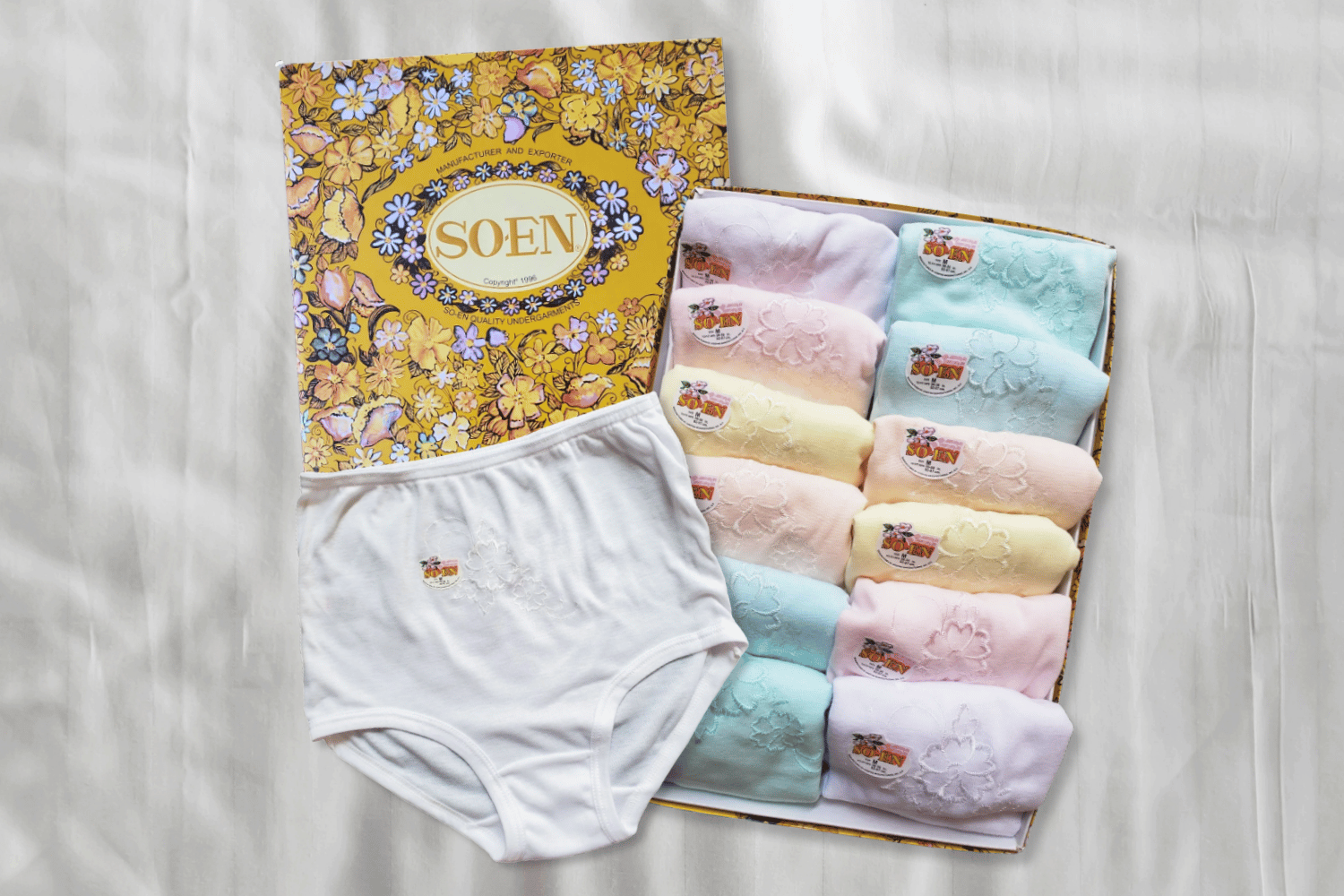
It usually came in boxes of 12 and these boxes have a distinct floral design most women who grew up in the 80s and 90s would recognize. The brand was handed down from mother to daughter like a family heirloom. Moms usually picked the plain-colored ones, while their daughters got pastels, florals and embroidered designs. Today, the name still sounds familiar, but it no longer sets the standard for quality underwear.
The humble beginnings
Couple Bun Hiok and Josefina Chua started the business in the 1960s with just two sewers and their machines. Their goal was to provide quality underwear that Filipinas could afford. SO-EN relied little on advertising, because in the 80s and 90s, word of mouth and habit did most of the marketing work.
Why it may have slipped from the market
Most shoppers never knew that SO-EN is split between two sister companies founded by the same family. SO-EN Garments Corp sells SO-EN RTW, OMNI, BeBe and Lovelily Lingerie, while Josefina Manufacturing says it is the only authorized maker of SO-EN Lingerie. For a brand built on trust and simplicity, having two identities makes it hard to know which one is “the real SO-EN.”
That confusion made it easier for counterfeits to spread. In 2021, Josefina Manufacturing publicly warned buyers about fake SO-EN products sold online and urged them to shop only at official stores. Every fake bought by mistake chips away at the brand’s reputation for quality.
As years went by, more competitors came to the scene. Uniqlo and other global labels win younger shoppers with comfort technology and lifestyle branding. Meanwhile, ultra-cheap online sellers like Shein flood the market with endless options. SO-EN’s place as the sensible default for quality and comfortable women’s underwear got lost in between.
And then there’s the “nanay’s panty” image. Being the brand your mom and lola bought makes SO-EN feel dependable, but also dated. Today’s shoppers discover brands on TikTok, and a brand that never needed much marketing had little experience competing there.
But it’s not over yet
SO-EN is trying to catch up. It now sells on its website and are now on e-commerce platforms. Its heritage is still a real asset to the brand.
If SO-EN has lost ground over the years, it isn’t because of bad products. It’s because a brand that never had to fight for attention suddenly did. The question now is whether it can turn “your nanay’s brand” into one a younger market would actually want to wear.
READ: