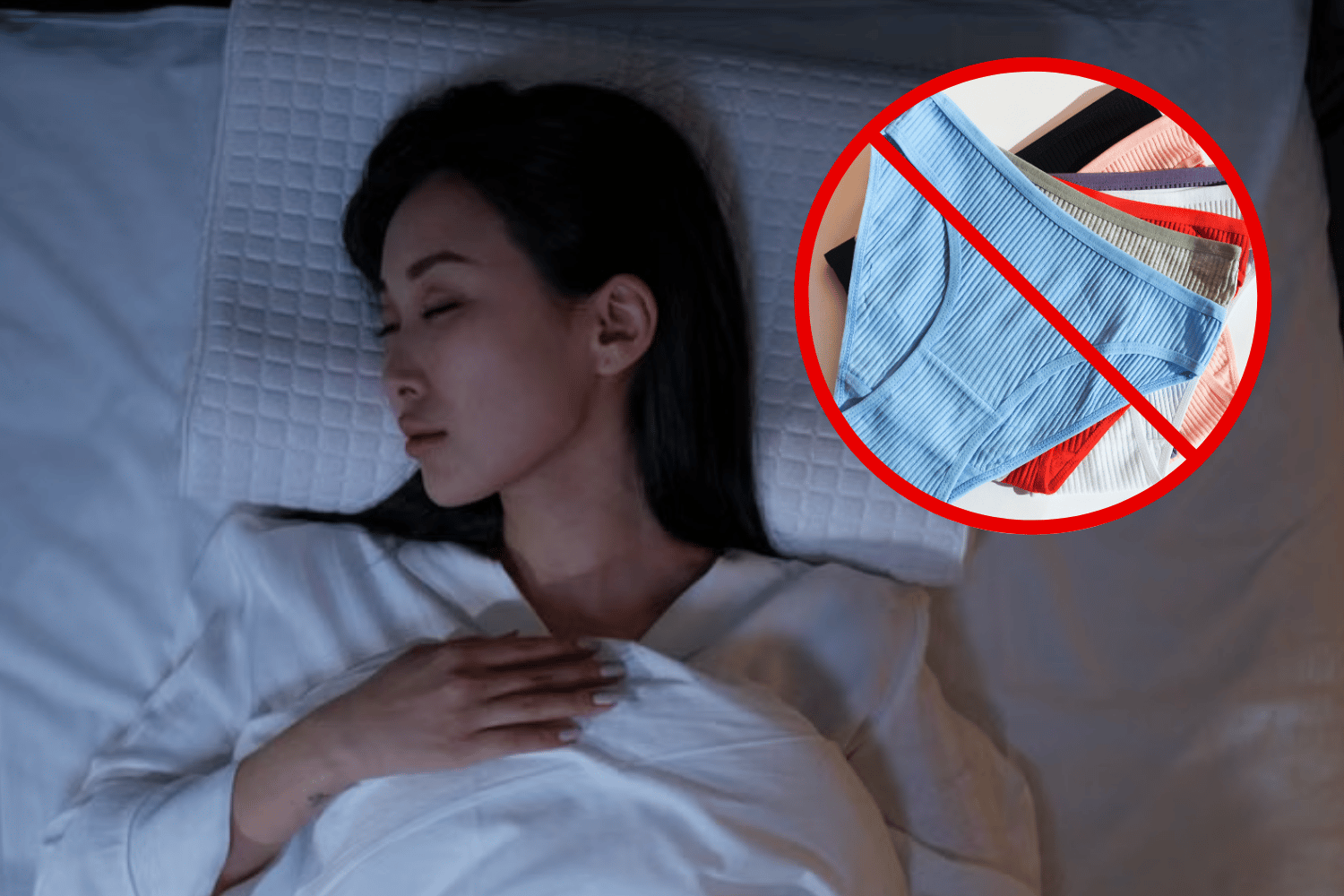
The advice to skip underwear at night as a way to prevent urinary tract infections is not entirely baseless. But it oversimplifies the relationship between sleeping without underwear and infection risk.
Some obstetrician-gynecologists and women’s health experts recommend sleeping without underwear as a practice that may support vulvar health by improving airflow and reducing moisture buildup.
However, there is currently no direct scientific evidence showing that sleeping without underwear prevents UTIs.
‘Going commando’
Some obstetrician-gynecologists say sleeping without underwear may support vaginal health by improving airflow, though this does not directly translate to preventing UTIs.
In a TikTok video, Dr. Tracy Shevell compared sleeping without underwear to “airing out the baby without a diaper.” Shevell explained that increased airflow may help maintain a healthy vaginal microbiome and reduce the likelihood of conditions such as yeast infections.
Retiree Dr. Kim Langdon said sleeping without underwear may benefit vaginal health by allowing the area to breathe after being covered throughout the day. However, she emphasized the importance of keeping bedsheets clean to maintain good hygiene when sleeping without underwear.
While the practice may support overall feminine wellness, it is not solid proof of lowering the risk of UTIs.
What causes UTIs?
UTIs develop when bacteria enter the urinary tract, with Escherichia coli (E. coli) being the most common cause of these infections.
According to a medically reviewed article by Dr. Temitope Rude, certain underwear habits may contribute to conditions that increase infection risk. Some fabrics may trap moisture around the genital area, while friction from certain materials may cause irritation.
However, not wearing underwear does not eliminate these risks. Other factors—including personal hygiene, fluid intake, sexual activity, and the clothing worn while sleeping—can influence a person’s likelihood of developing a UTI.
Preventing UTIs
Ultimately, sleeping without underwear remains a personal choice based on comfort and preference rather than a medically proven way to prevent UTIs.
Experts recommend other preventive measures, including staying hydrated, avoiding delaying urination for long periods, practicing good genital and sexual hygiene, wearing breathable underwear, and avoiding tight-fitting clothing.
READ: