Study finds stores providing informal access to basic medicines where pharmacies and health facilities can be difficult to reach.
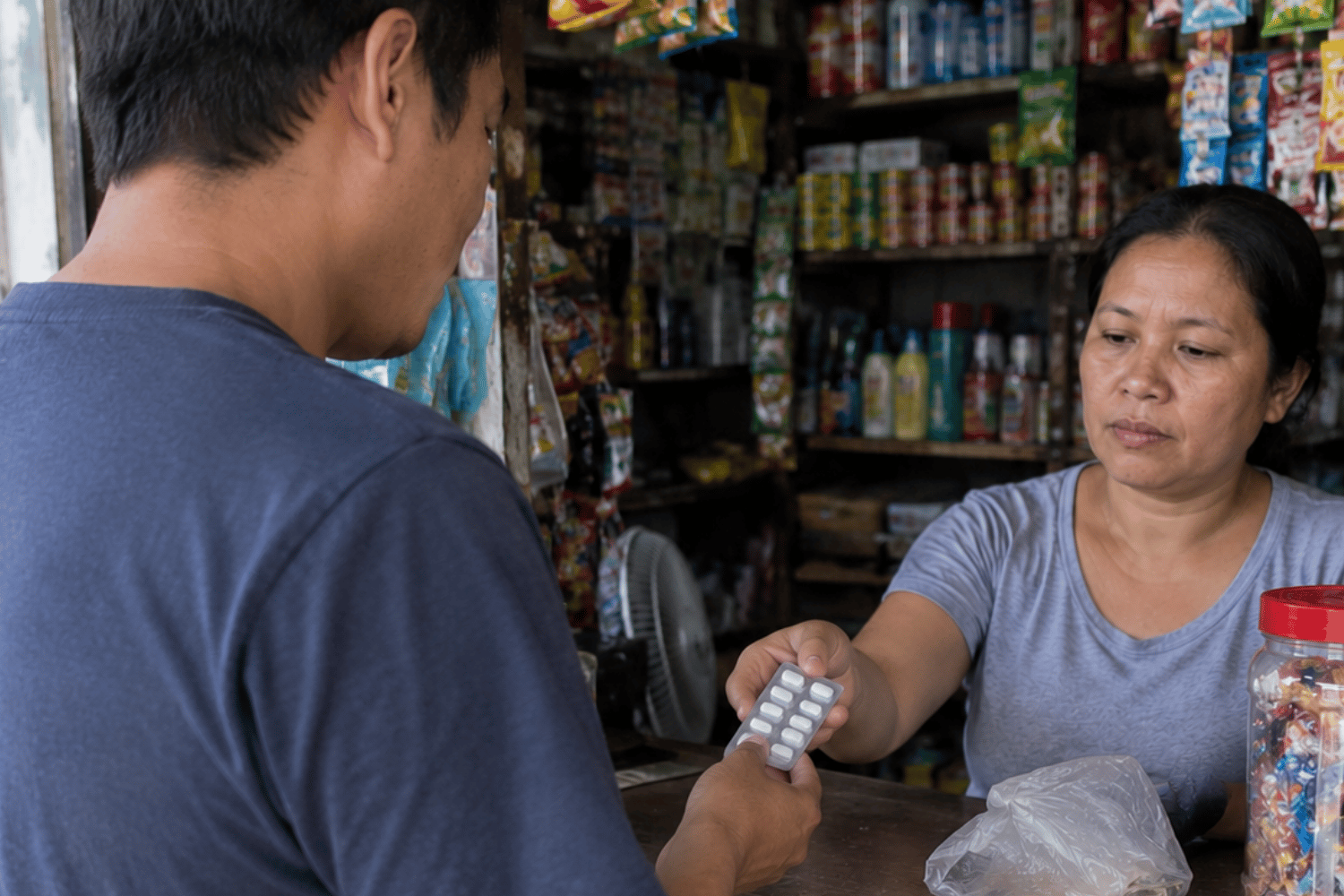
In the Philippines, sari-sari stores are known for selling everything from snacks to household essentials. In some communities, however, they also fill a more unexpected role — providing access to basic medicine.
A new study found that sari-sari stores continue to serve as informal sources of common medicines, particularly in remote areas where pharmacies and health facilities can be difficult to reach, according to a study published in Acta Medica Philippina by researchers from the University of the Philippines, Ateneo de Manila University, and Bulacan State University.
The researchers interviewed 14 sari-sari store owners and vendors and found that many began keeping medicines for their own households before eventually selling them to neighbors after noticing the demand in their communities.
Distance was one of the biggest reasons people turned to these stores, especially in geographically isolated and disadvantaged areas where transportation can make a trip to a pharmacy or health center difficult.
The stores also offered something formal pharmacies may not always provide. Some vendors sold medicines in very small quantities, allowing customers to buy only what they could afford at the time, while some even extended credit to neighbors.
The study found that vendors commonly sold medicines for everyday complaints such as fever, coughs, colds, and body pain, including paracetamol and other over-the-counter products.
Many of the vendors interviewed also appeared to recognize the limits of their role. The researchers found that most avoided selling antibiotics and prescription medicines, although the study also documented exceptions.
That informal role, however, comes with legal limits. Under the Philippine Pharmacy Act, pharmaceutical products must generally be sold through FDA-licensed retail drug outlets, while prescription medicines and pharmacist-only over-the-counter medicines require the presence of a licensed pharmacist.
The Department of the Interior and Local Government has also urged local governments to prohibit unauthorized medicine sales in sari-sari stores, particularly amid concerns over counterfeit medicines.
The contradiction is that the same communities being told not to rely on sari-sari stores can also face genuine barriers to formal healthcare.
The Department of Health continues to classify communities as geographically isolated and disadvantaged when physical and socioeconomic conditions limit access to health services. In Tanudan, Kalinga, for example, 15 of the municipality’s 16 barangays were classified as GIDAs due to limited infrastructure and access to basic health services.
The study suggests that simply shutting down this informal source of medicine may not address the reason people turn to it in the first place. For communities where a pharmacy or health center can be difficult to reach, the challenge is to make medicine access safer without overlooking the distance, cost, and other barriers that made the sari-sari store the convenient option in the first place.
READ: