Early household and agricultural preparation is essential as the country faces the threat of a Super El Niño.
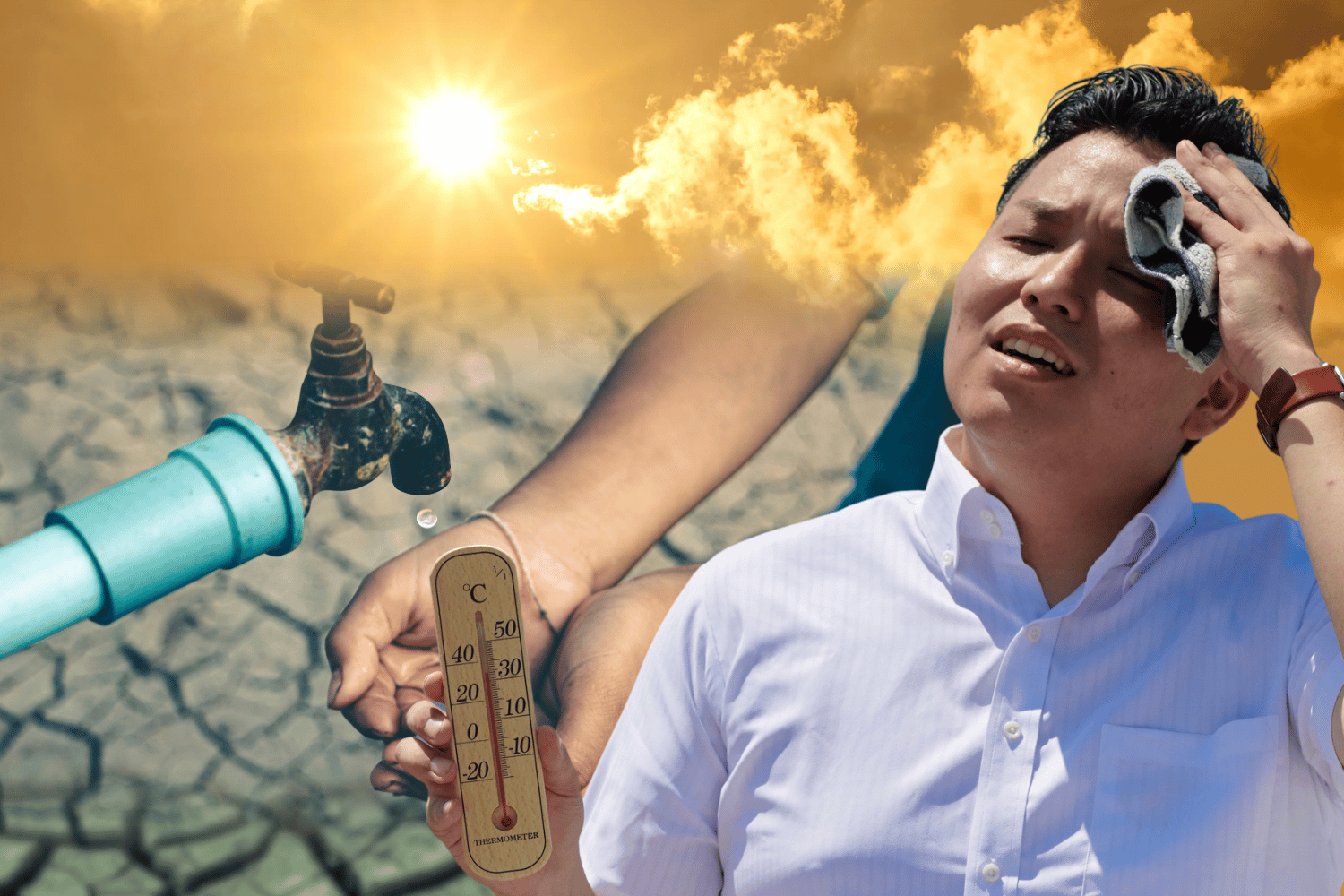
You turn on the faucet and the pressure is weaker than usual. By noon, the house feels like an oven. The electric fan has been running for hours, while outside, plants are browning under a sky that has refused to give rain.
This could become an increasingly familiar Filipino scene in the months ahead.
The Philippines is preparing for the possibility of a Super El Niño, commonly used to describe an exceptionally strong or “very strong” El Niño event. Such conditions can sharply increase the risk of below-normal rainfall, prolonged dry spells, drought and extreme heat.
And preparation should not begin when the taps finally run dry.
Save water before water becomes the problem
Start with the household.
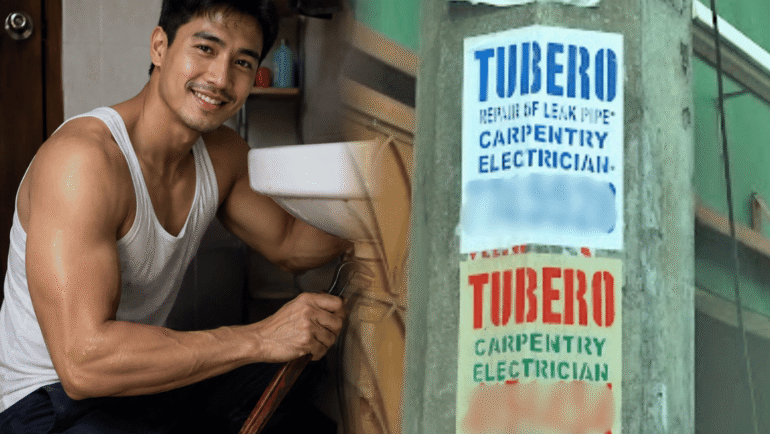
Repair leaking faucets and pipes. Take shorter showers. Reuse relatively clean wastewater, such as laundry rinse water, for flushing toilets or cleaning outdoor areas. Keep a reasonable emergency supply of potable water in clean, tightly covered containers.
But preparing for Super El Niño should not mean hoarding. Excessive stockpiling can make shortages worse for other households.
The government is already looking at measures such as rainwater harvesting, water impounding and irrigation interventions—an indication of how seriously water security is being treated ahead of potentially harsher conditions.
Prepare your body for extreme heat
Super El Niño is not simply about having less rain. Heat can become the more immediate danger.
Make hydration routine rather than waiting until you feel thirsty. Avoid strenuous outdoor activities during the hottest hours when possible, seek shade and ventilation, and closely monitor children, older adults and people who work outdoors.
Know the warning signs of heat exhaustion: heavy sweating, dizziness, weakness, headache, nausea and fainting.
Get ready for power disruptions
Extreme heat can push electricity demand higher as millions of households turn to fans and air conditioners. Prolonged drought can also reduce water available for hydropower generation.
Keep power banks charged. Have rechargeable lamps, flashlights and batteries ready. Unplug sensitive appliances during power fluctuations and maintain an emergency kit with drinking water, basic medicines and other essentials.
Super El Niño can also create tinderbox conditions as vegetation dries. Avoid burning garbage or leaves, remove combustible materials around homes and make sure fire extinguishers remain functional.
Farmers cannot wait for the drought
For farmers, preparing only when drought becomes severe may already be too late.
Agricultural communities should closely follow PAGASA forecasts and coordinate with agriculture and irrigation authorities before planting. Adjusting planting schedules, conserving irrigation water and using more drought-tolerant crops where appropriate can help reduce potential losses.
And this is not only a farmers’ problem.
When Super El Niño damages farms, the consequences eventually reach public markets and supermarkets. Lower harvests can tighten food supplies and contribute to higher prices.
Super El Niño does not mean zero rain
There is one dangerous misconception to avoid: even a Super El Niño does not mean rain disappears completely.
Heavy rainfall can still occur in some areas, and tropical cyclones can still affect the Philippines. A community suffering through weeks of dryness can still suddenly experience intense rain and flooding.
So keep the usual disaster kit ready.
Super El Niño can strain water, food and power systems simultaneously. But much of household preparation is simple and can begin now.
Save water before rationing begins. Protect yourself before the heat becomes dangerous. Prepare emergency supplies before a brownout.
And do not wait until the faucet runs dry to realize Super El Niño has arrived.
READ:
It’s pouring now—but the Philippines is entering a stronger El Niño
Top Dagohoy
September 6, 2026
No rate increase for Manila Water customers despite El Niño risk
Kiara Gorrospe
July 8, 2026
No water interruptions for Manila Water customers despite El Niño
Kiara Gorrospe
July 8, 2026