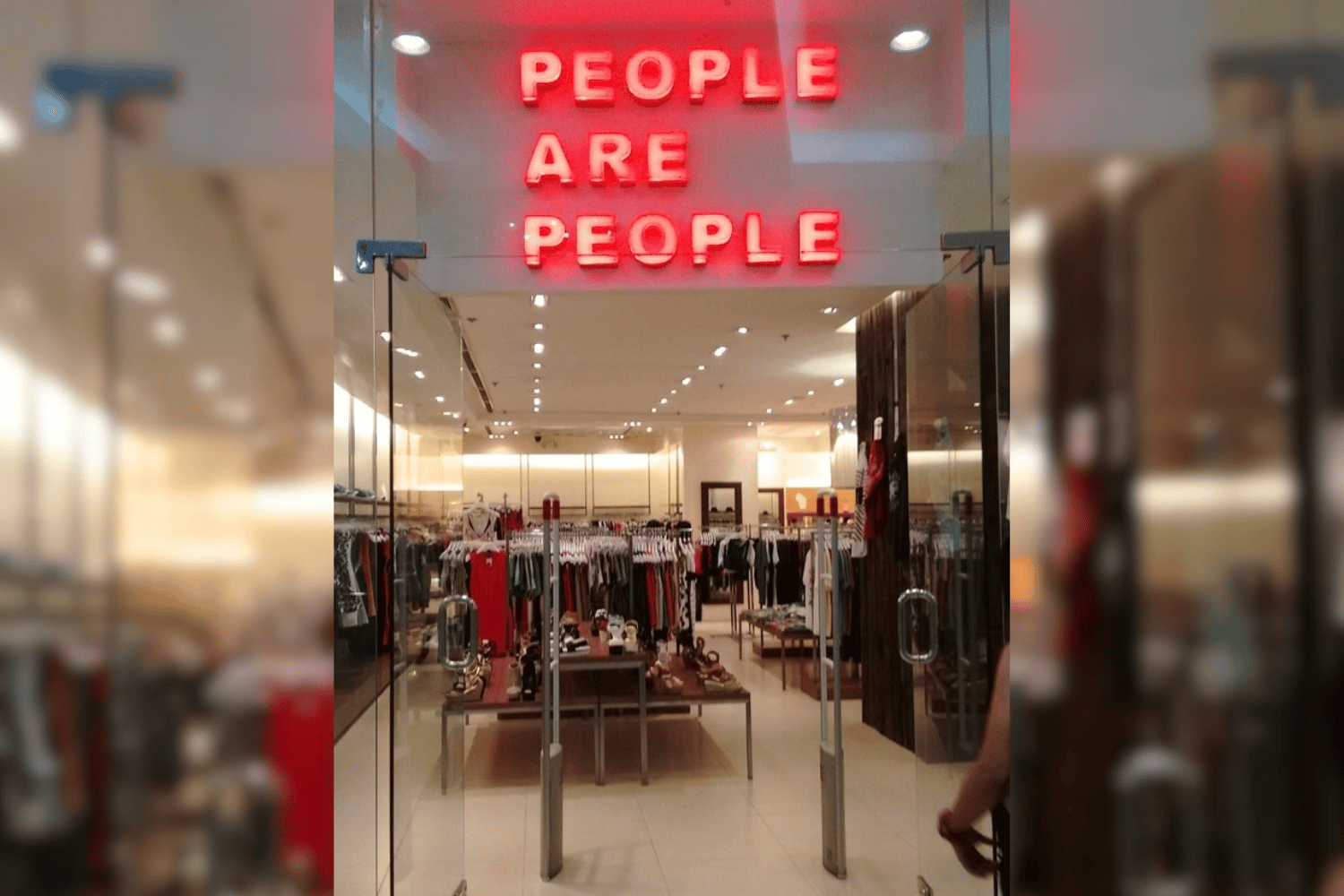
Now, millenials are asking where it went.
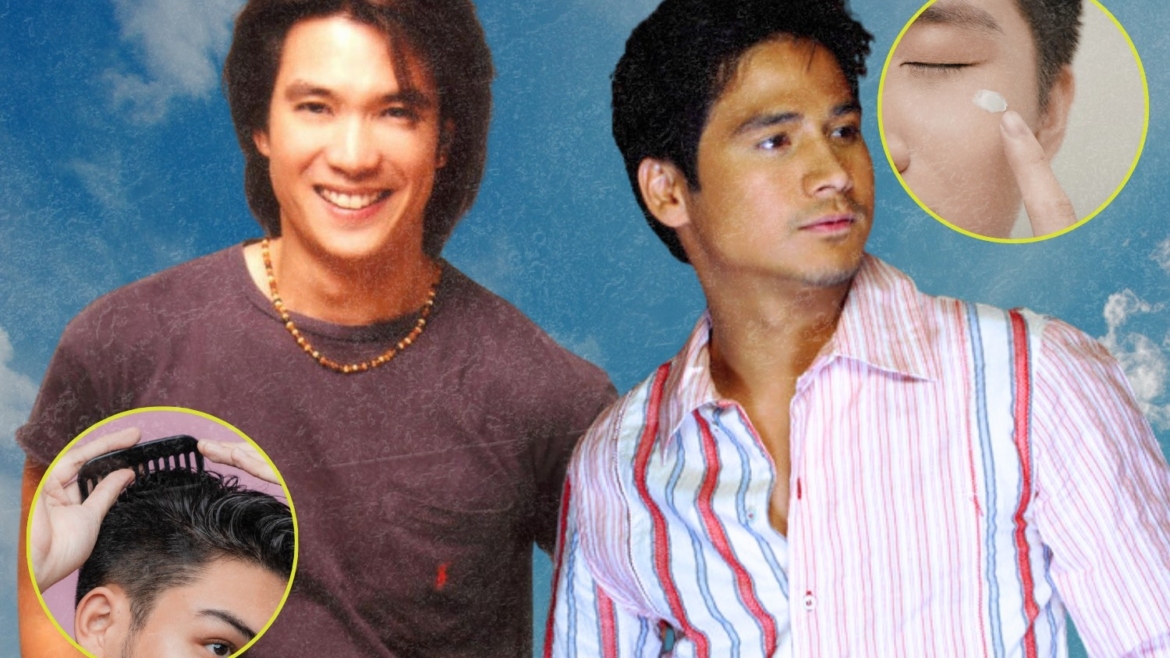
It is the mid-2000s. You are getting ready for a Saturday night in Malate or Tomas Morato. The jeans are fitted, the shirt is something you hope nobody else will be wearing, and there is a good chance at least one piece of your outfit came from People Are People.
For a generation of young Filipinos, that was simply what looking cool meant.
When People Are People was cool
Those memories resurfaced on Threads after user @abrahamdolorfino recalled buying most of his clothes from the once-popular fashion retailer.
“Halos 70% ata ng damit ko noon ay sa kanila ko binili,” he wrote, remembering the distinctive shirts that made the brand stand out in malls during the early to mid-2000s.
He said People Are People and Folded & Hung were common sights among the crowds he encountered while going out in Malate and Tomas Morato. He even kept the brand’s paper shopping bags and clothing tags as souvenirs of that period.
Other users quickly joined the nostalgia.
One remembered the beautiful shirt designs and fabric. Another recalled saving money as a high school or college student just to afford a People Are People shirt. Dolorfino himself said the clothes cost more than what he could comfortably afford from Bench or Penshoppe, but seeing his friends wear them convinced him to buy from the brand anyway.
That was the power People Are People once held.
It sold more than clothes
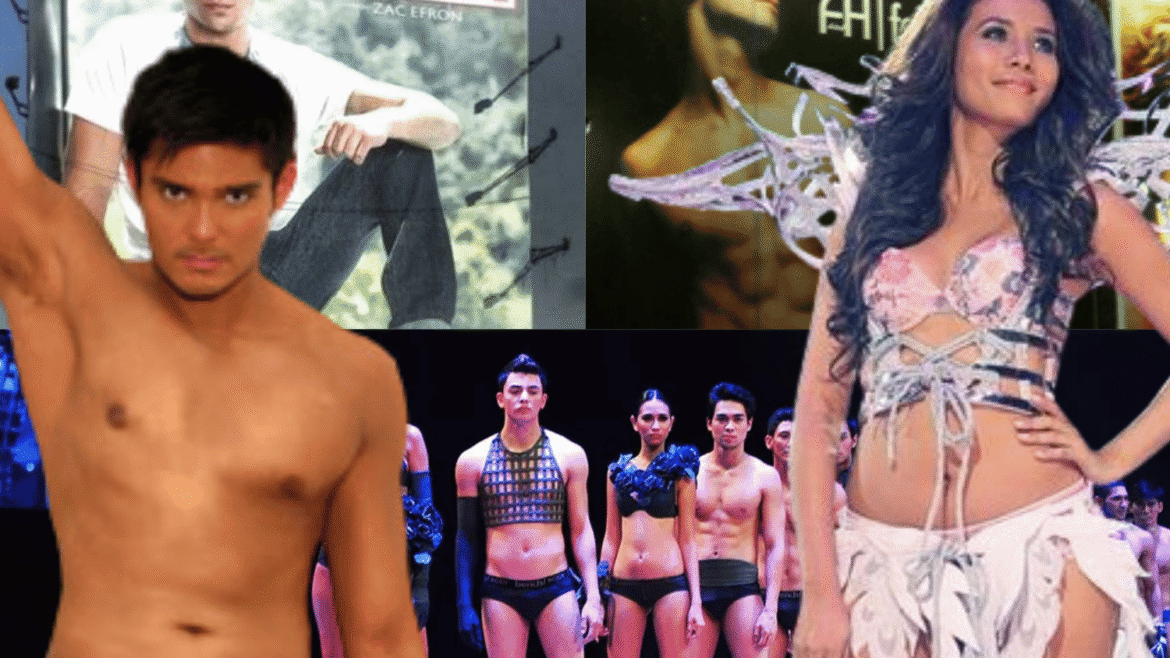
Before international fast-fashion chains became fixtures of Philippine malls, PRP occupied a distinctive space in local youth fashion. Its graphic shirts, fitted jeans, clubwear and statement pieces matched the rock, emo and nightlife aesthetics that dominated much of the 2000s.
Its clothes were not merely things to wear. They communicated membership in a particular urban youth culture.
Dolorfino even recalled seeing celebrities on television wearing People Are People despite apparently not being official endorsers—a sign of how organically the brand had entered popular fashion.
Then the mall changed
But the Threads discussion also captures how quickly retail changed.
One commenter recalled discovering similar-looking merchandise being sold more cheaply at 168 Shopping Mall in Divisoria. It is an anecdotal observation and does not establish where People Are People sourced its merchandise, but it points to a larger problem: fashionable clothes were becoming available from more places and at more price points.
Then international fast-fashion retailers expanded in the Philippines. Trends accelerated, the rockstar and clubbing aesthetic faded, and consumers gained an enormous range of alternatives.
Eventually, online shopping changed the habit that had helped build brands like People Are People in the first place.
One Threads user said he would still enjoy visiting a People Are People store today even if he no longer intended to buy anything because he now preferred shopping online.
What people are really missing
That may explain why the nostalgia feels particularly strong.
People Are People belonged to an era when discovering fashion meant wandering through a mall, entering a store because something in the window caught your attention, saving money for one shirt and wearing it somewhere you hoped people would notice.
Now, many of the Filipinos who once shopped there are asking the same question:
Does People Are People still exist?
For a brand that once seemed impossible to miss inside Philippine malls, the question itself says how much the retail world has changed.
READ: