A bakery in Dubai, United Arab Emirates, is touting its Filipino-style ensaymadas as the city’s latest viral pastry—a recipe that took six months to develop without any involvement from Filipinos.
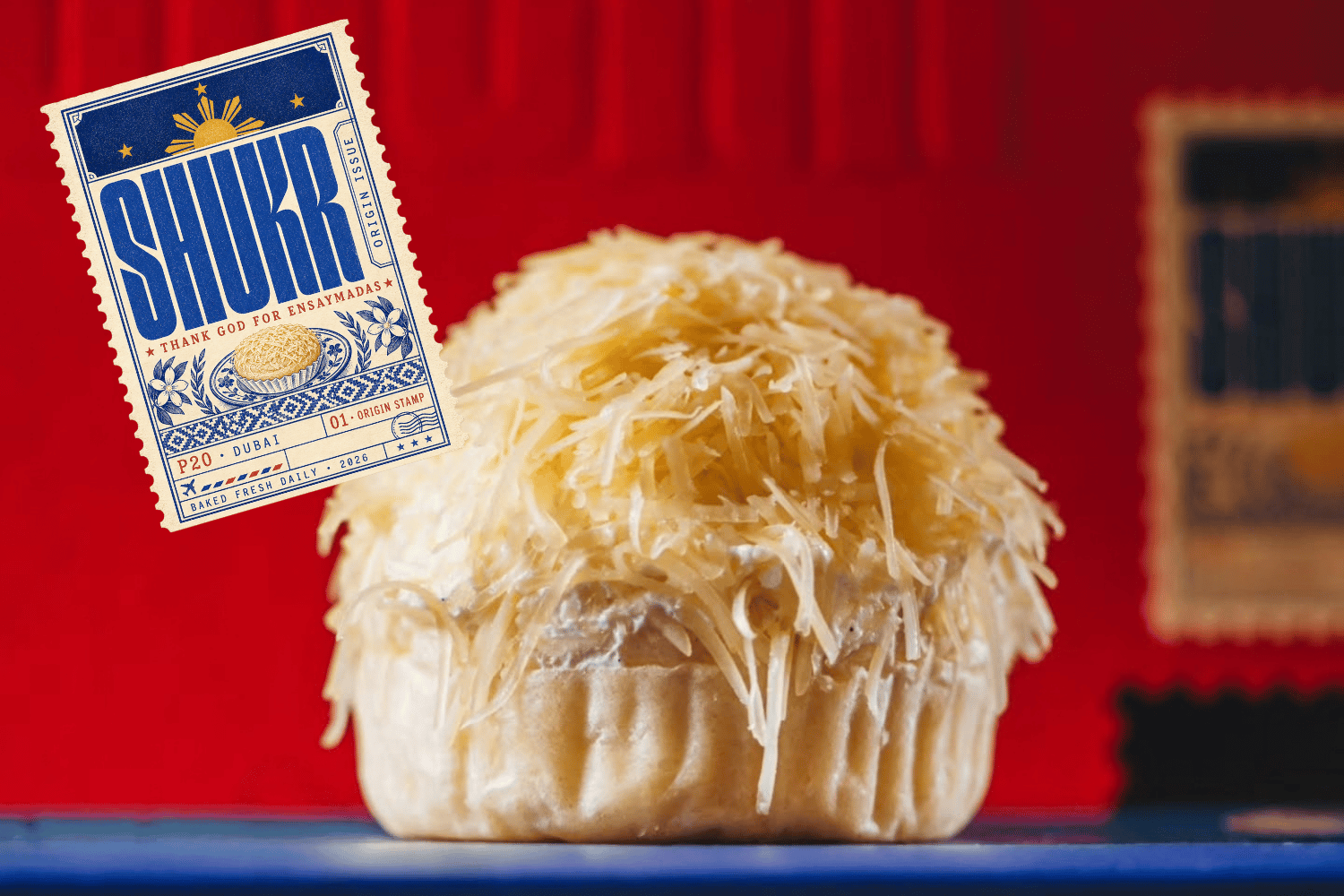
Shukr Bakehouse launched on Sept. 10, with Filipino-style ensaymadas as its inaugural product. Sold in boxes of six, around 150 units reportedly sold out within 20 minutes of going live.
Customers say a single ensaymada costs AED 18 (₱300), while a half-dozen box is around AED 100 (₱1,700).
Premium restaurant group Atelier House Hospitality is behind the bakery, alongside airline pilot Rashed Yakhlef. The bakery operates out of the company’s Michelin-starred restaurant, 11 Woodfire.
Atelier House chief executive officer Panchali Mahendra and Yakhlef were inspired to recreate the Filipino pastry after reportedly tasting ensaymada brought by a friend straight from the Philippines.
Argentinian chef Carol Contreras, head pastry chef of Atelier House, developed the recipe over six months.
“My first thought: I want this in Dubai. So we went looking. We tried every version this city had to offer, and nothing gave me the nod of that first one. Which left only one question worth asking: why not make it our own?” Mahendra said in Shukr Bakehouse’s first Instagram post on Sept. 1.
Shukr Bakehouse’s designs also evoke imagery of the Philippines, prominently featuring the three stars and sun present in the country’s flag. The ensaymada packaging is a plain box covered in vintage-looking postal stamps branded “Shukr,” suggesting the pastry had been shipped from the Philippines.
After Shukr Bakehouse and its ensaymadas were featured in Indian culture magazine TheLabMag on Sept. 25, Filipino netizens were divided over the pastry’s success in Dubai.
“Viral? Upcoming? It’s been around in the Philippines since forever,” commented one Instagram user under TheLabMag’s feature.
A Threads user who claims to have tried the product compared it to popular ensaymada bakery Muhlach’s. “Masarap naman po siya, malambot ang bread, freshly baked, at smells appetizing po. Pero kung uulit ba ako, no na po. It’s too expensive for me, with the taste and quality na natitikman ko naman with other Filipino brands like Muhlach’s,” they said.
Many expressed disappointment over the lack of Filipino involvement in the product’s development, but some also saw no issue with the pastry’s virality amid other “borrowed” cultural foods similarly gaining traction worldwide.
“There’s nothing wrong for foreign chefs to make their own version. Same like we do ube croissants, ube cheesecake, leche flan cronuts etc. if the customers like it then that’s their right,” said one Threads user.
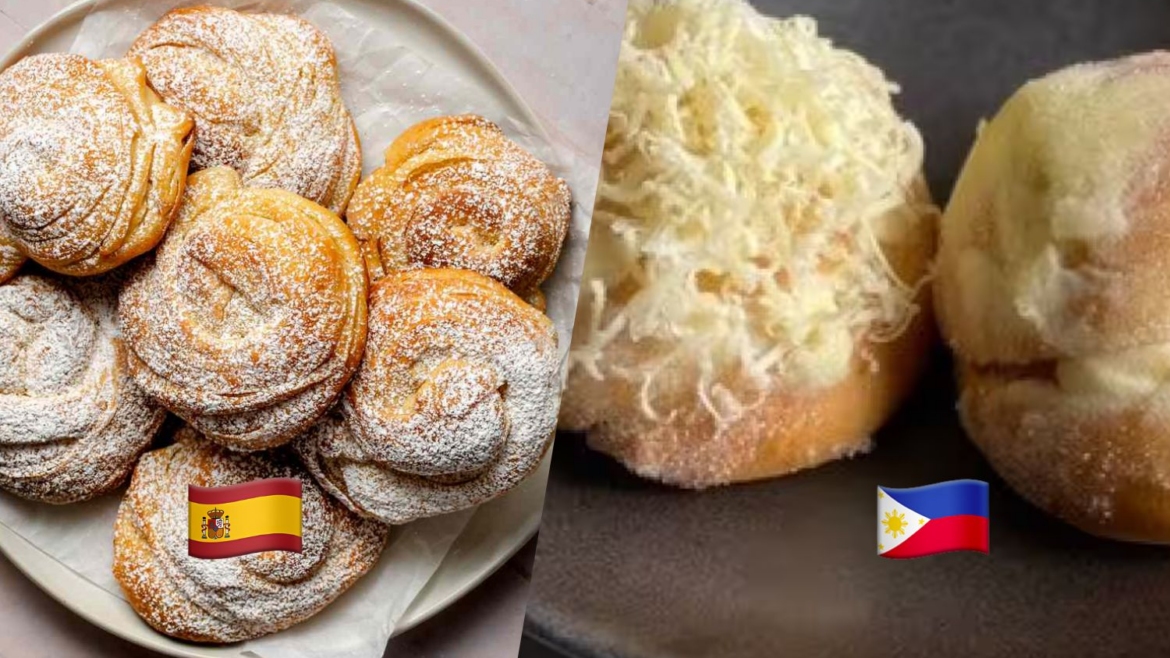
The sweet, cheese and butter-covered ensaymada is a Filipino evolution of the savory Spanish ensaïmada.
The Spanish predecessor traces its roots back to Mallorca in the Balearic Islands, prominently featuring pork lard as the main ingredient. Food writer Lydia D. Castillo notes that the pastry made its way across the world during the era of Spanish colonization.
Filipinos eventually turned the Ensaïmada de Mallorca into a sweet brioche with butter, sugar and cheese.
READ: