The restaurant became part of life, tied to birthdays, Sunday lunches, office merienda, reunions, or simple daily cravings.
There is a particular kind of meal that feels unmistakably old-school Pasig: a steaming plate of pancit generously showered with crushed chicharon, pork barbecue on the side, and perhaps pandesal or puto waiting to catch the sauce.
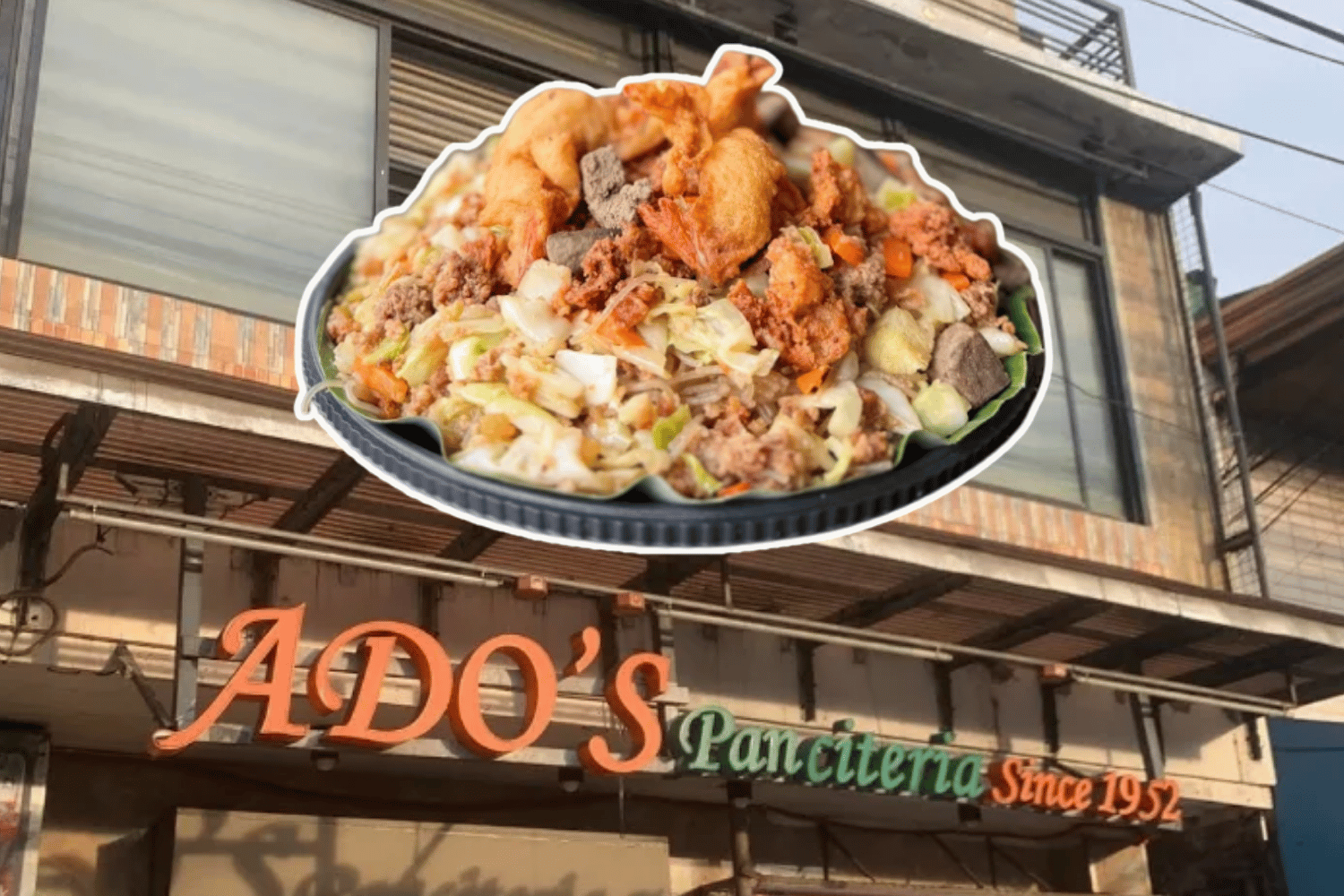
For generations of Pasigueños, that meal has a name: Ado’s Panciteria.
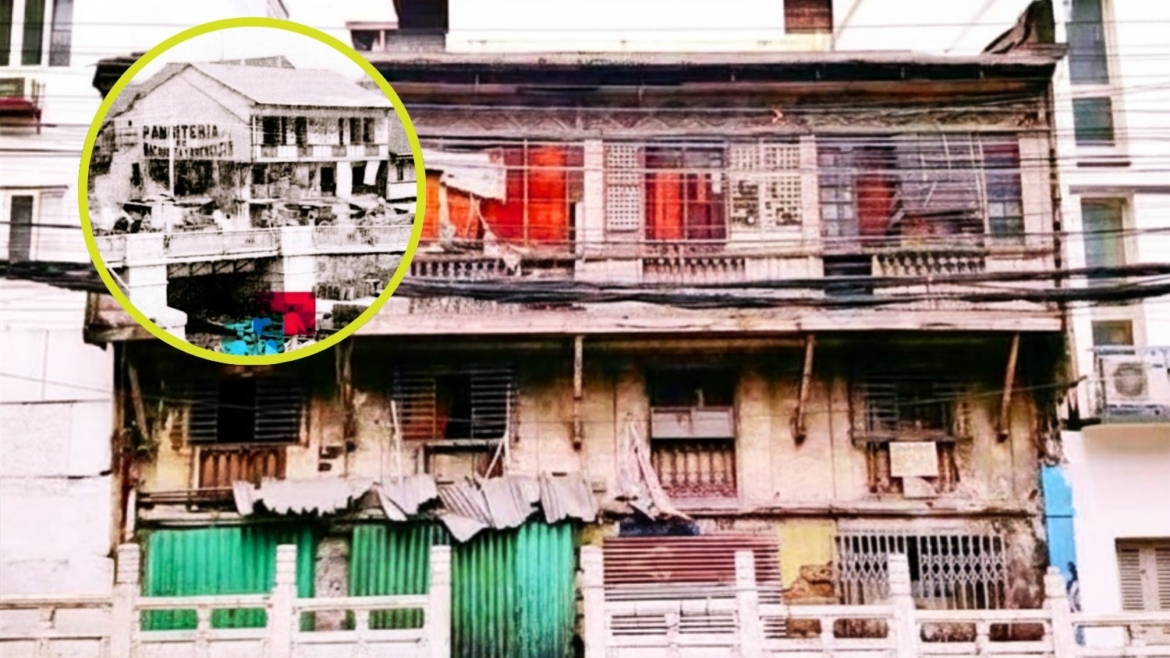
Founded in 1952, Ado’s has survived changing food trends, the arrival of restaurant chains and the transformation of Pasig itself from a provincial town into one of Metro Manila’s busiest cities. More than seven decades later, people still come for essentially the same thing—noodles made the Ado’s way.
From barber to pancit maker
The restaurant’s story begins with Librado “Ado” Castillo, who worked as a barber beside a Chinese panciteria.
Instead of learning through formal culinary training, Castillo reportedly picked up the craft by watching his neighbor prepare noodles. Eventually, he traded his barbering tools for a wok and, together with his wife and their 11 children, established his own panciteria.
What began as a modest family operation eventually grew into a Pasig institution, expanding into a larger restaurant and events venue.
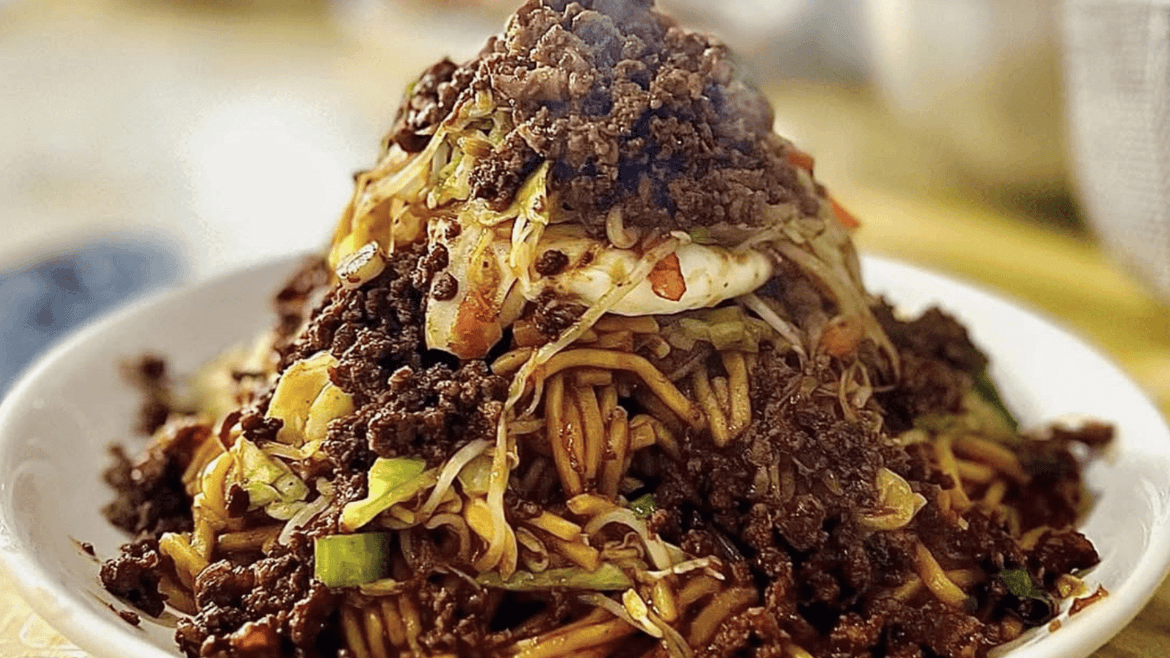
Its enduring claim to fame is simple but effective: pancit crowned with crunchy crushed chicharon.
How to order like a regular
The fun at Ado’s is that pancit is not simply pancit.
Diners can choose among noodles such as bihon, canton and lomi, then select how they want them prepared—guisado for a drier stir-fried version, sariwa for something saucier, or sabaw when craving comforting noodle soup.
A strong first order is Canton con Lomi, sariwa style. The combination of canton and thicker lomi noodles gives every forkful contrasting textures, while the savory sauce coats the noodles before crushed chicharon provides the final crunch.
For traditionalists, there is Special Pancit Bihon Guisado, the familiar Filipino favorite made more indulgent with Ado’s signature toppings. Those who prefer seafood-forward flavors can go for Pancit Malabon or Palabok.
But do not stop at noodles.
What else to put on the table
Pork barbecue is a natural partner for the pancit, with its sweet, smoky flavor providing a counterpoint to the savory noodles. Lumpiang Shanghai adds another layer of crunch, while those wanting to double down on pork can order chicharon bituka.
Then there are the combinations that reveal how deeply neighborhood traditions shape the Ado’s experience.
Try the pancit with pandesal, stuffing some noodles inside the bread for a gloriously carb-on-carb bite. Or eat it with puto, letting the mild sweetness of the steamed rice cake balance the salty, savory noodles.
For families and celebrations, the most appropriate order may still be the bilao: a generous spread of pancit placed at the center of the table for everyone to share.
That communal quality may explain part of Ado’s longevity.
Restaurants come and go. Food trends become viral and disappear. But places like Ado’s become something else entirely. They become tied to birthdays, Sunday lunches, office merienda, family reunions and mornings when somebody simply decides that pancit sounds good.
Ado’s Panciteria has been doing that since 1952.
Sometimes, preserving a city’s food history is as simple as keeping the wok hot—and the chicharon coming.
READ: