The Palanca winning playwright has long cited the Spanish dramatist as a major influence.
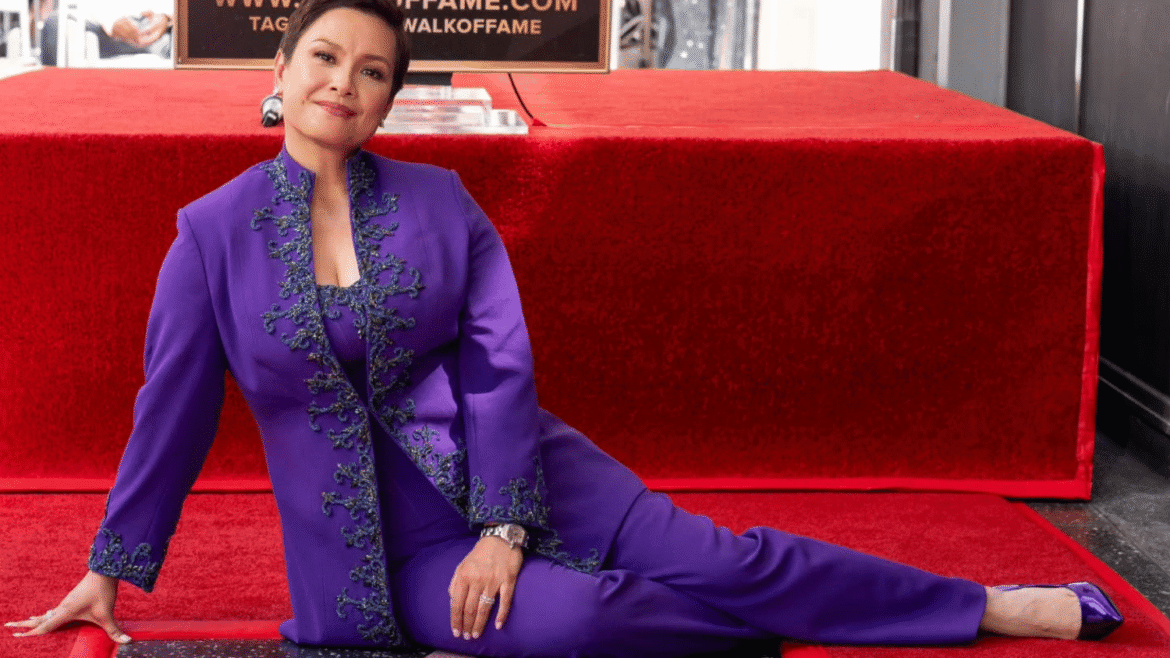
Two-time Tony Award winner Lea Salonga will take on the lead role in Theater Group Asia’s upcoming Filipino-language production of “Ang Tahanan ni Bernarda Alba,” opening in February 2027.
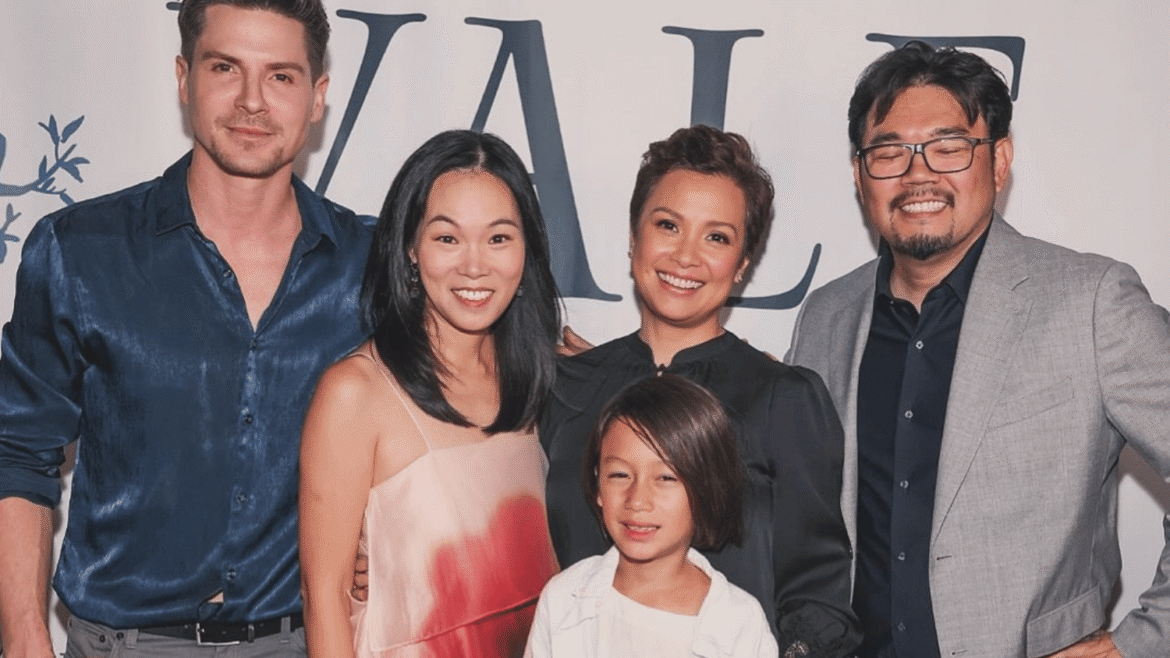
The play, by Spanish playwright Federico García Lorca, is being translated by Guelan Varela Luarca, whose film “Mag-iina” (The Mothering) won Best Film and Best Screenplay at Cinemalaya 2026.
By his own admission, “Mag-iina” was Lorca-haunted.
Now he gets to go straight to the source.
Luarca is translating Theater Group Asia’s upcoming production of “Ang Tahanan ni Bernarda Alba,” with Salonga playing the iron-fisted matriarch in a straight play, in Filipino.
It’s not his first Lorca rodeo. It’s his homecoming.
If you know the Luarca shelf, you know why this makes sense.
The Palanca-winning playwright is behind “Mga Kuneho,” “Bait,” “Ardor,” and “The Impossible Dream,” as well as the devised dystopia “Nekropolis” for Tanghalang Pilipino.
On the directing and adaptation side, he Filipinized Shakespeare in “Ricardo Segundo” and “Coriolano” at the CCP, deconstructed Nick Joaquin’s “Portrait of the Artist as Filipino” with a Greek chorus, and brought Lualhati Bautista’s “Desaparesidos” and Mike de Leon’s “Batch 81” to the stage via “AKO: Alpha Kappa Omega.”
He’s also our go-to translator of the impossible: “Bawat Bonggang Bagay” (“Every Brilliant Thing”) for The Sandbox Collective, “Nagkatuwaan sa Tahanang Ito” (This House is for Laughing”), and “Ang Katatawanan ng Kalituhan” (“The Comedy of Errors”).
“Bernarda Alba” sits right in that lineage.
Why did he say yes?
“I first read Lorca in high school,” says Luarca in this radar Entertainment exclusive. It was through National Artist Bienvenido Lumbera’s Filipino translation of “Blood Wedding,” “Kasal sa Dugo.”
“Since then, Federico García Lorca’s almost surrealist, highly poetic plays have left their indelible mark on my imagination,” he says.
“Some of my plays, including “Corridors,” which eventually became “Mag-iina,” are so heavily indebted to Lorca. I’m not ashamed to say that I mimic Lorca as a playwright. Even my last name vaguely sounds like his!”
Then there’s Chay Yew, the legendary Asian American theater artist whose adaptation of “Bernarda Alba” they are using.
“I met Chay when I studied in New York. He directed my first ever staged reading in NYC. He also got me to co-write a play we had a staged reading of in LA,” he shares.
“So my long fascination and love for Lorca meets my deep respect and admiration for Chay Yew — how could I say ‘no’?”
The house that facism built
Luarca is most excited about the rehearsal room: 100% women, all actresses he admires, led by a Lea you have never seen.
“To be honest, when I think of ‘Bernarda Alba,’ the character, I don’t automatically see Ms. Lea in my head. And that is the exact reason casting her is very, very exciting,” he says.
“You don’t quite know what she’s gonna do with the role, how she’d embody this aging tyrant. I’ll see the process. What a gift!”
Set on the brink of the Spanish Civil War, Lorca’s last play before his assassination, “Bernarda Alba” frames the matriarch’s tyrannical rule over her five daughters as a chilling metaphor for fascism. Luarca believes Lorca was killed for being gay and a leftist.
For a country like the Philippines, living through its own chaos, the allegory hits.
“This kind of leadership never has and never will be effective,” he says. “I don’t want to spoon-feed audiences, but I think the political allegory is very…”
He stops. He wants you to feel it in the house itself.
READ: