The incident raises concerns on public expenses meant for ambulance fuel, upkeep, and driver salaries.
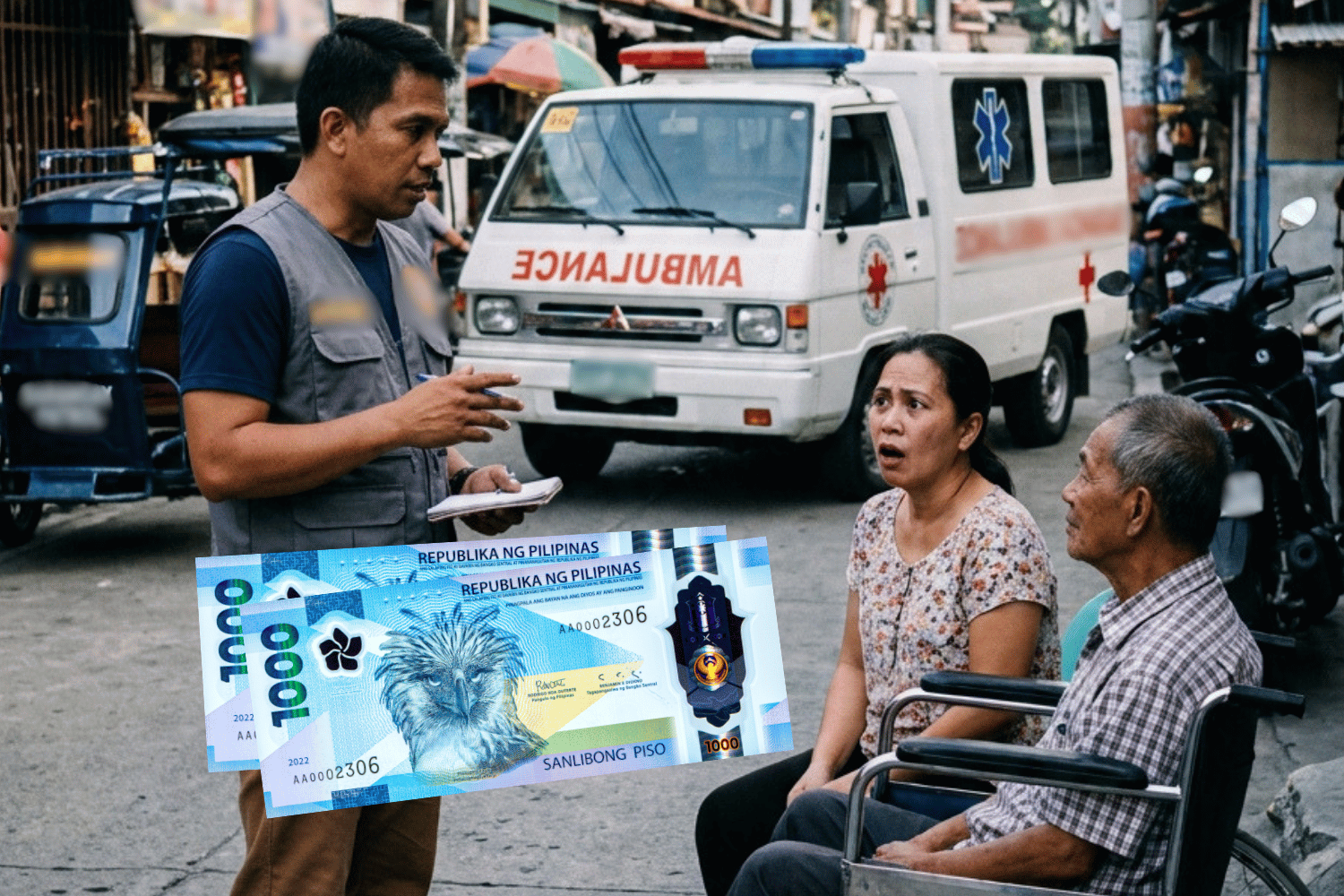
A Filipino netizen has sparked an online debate after revealing that his mother allegedly paid ₱2,000 for gasoline to use a barangay ambulance during a medical emergency, raising questions about whether taxpayers should be charged for government-funded emergency services.
A Threads user expressed outrage after discovering that his mother had paid for the ambulance, supposedly to cover fuel expenses.
“What do u mean na nagbayad pa ang mama ko para sa use ng ambulansya ng barangay? 2k for gas raw? Nasaan ang appropriation ng gas ng ambulansya?” he wrote.
The netizen later revealed that his niece had been in critical condition, experiencing seizures and becoming unresponsive. The family needed to transfer her to a hospital equipped with an intensive care unit.
He also recounted how relatives had to remain at the hospital to settle a bill while the family pleaded for the ambulance transfer to proceed because every second mattered.
The post triggered reactions from Filipinos questioning why families already dealing with medical emergencies should shoulder additional transportation expenses.
One commenter said ambulance services in their community were completely free, with personnel even refusing a voluntary ₱200 tip. Another shared that Davao City’s 911 ambulance service was free.
Others reported different experiences, including alleged charges of ₱500 for drivers and requests for gasoline contributions during hospital transfers.
Is charging for an ambulance legal?
Under Republic Act No. 7160, or the Local Government Code, barangays are responsible for delivering basic health and social welfare services. However, the law does not automatically guarantee free ambulance transportation in every situation.
Section 153 allows local government units to impose reasonable fees for services rendered, subject to applicable legal requirements. Whether a barangay can collect a particular ambulance fee depends on its legal basis, local ordinances, and the circumstances of the transport.
A more specific protection exists under Republic Act No. 10932, which strengthens the Anti-Hospital Deposit Law. Under certain emergency transfer circumstances, when a hospital has no ambulance available, the local government where the hospital is located must allow the free use of its emergency vehicle.
This makes the distinction between an authorized transportation fee, a voluntary gasoline contribution, and a mandatory payment particularly important.
For non-emergency trips, including scheduled consultations and routine patient transfers, local policies may differ. However, demanding payment before providing urgently needed emergency transportation raises serious legal and ethical questions.
Where does the ambulance budget go?
The controversy also raises concerns about how barangays allocate public funds for emergency vehicles, including fuel, maintenance, and drivers’ compensation.
While some barangays operate with limited budgets, residents are questioning why families should be asked to shoulder expenses for services supposedly supported by public funds.
The barangay involved was not identified in the screenshots, and the alleged ₱2,000 charge has not been independently verified. There is also no confirmed information on whether the amount was an official fee, a voluntary contribution, or an unauthorized collection.
Nevertheless, the incident highlights a larger issue confronting local government services: the need for transparent ambulance policies, adequate emergency funding, and accountability over public resources.
For families facing life-threatening emergencies, access to transportation can mean the difference between life and death. Whether a patient receives immediate assistance should not depend on their ability to produce ₱2,000 on the spot.
READ: