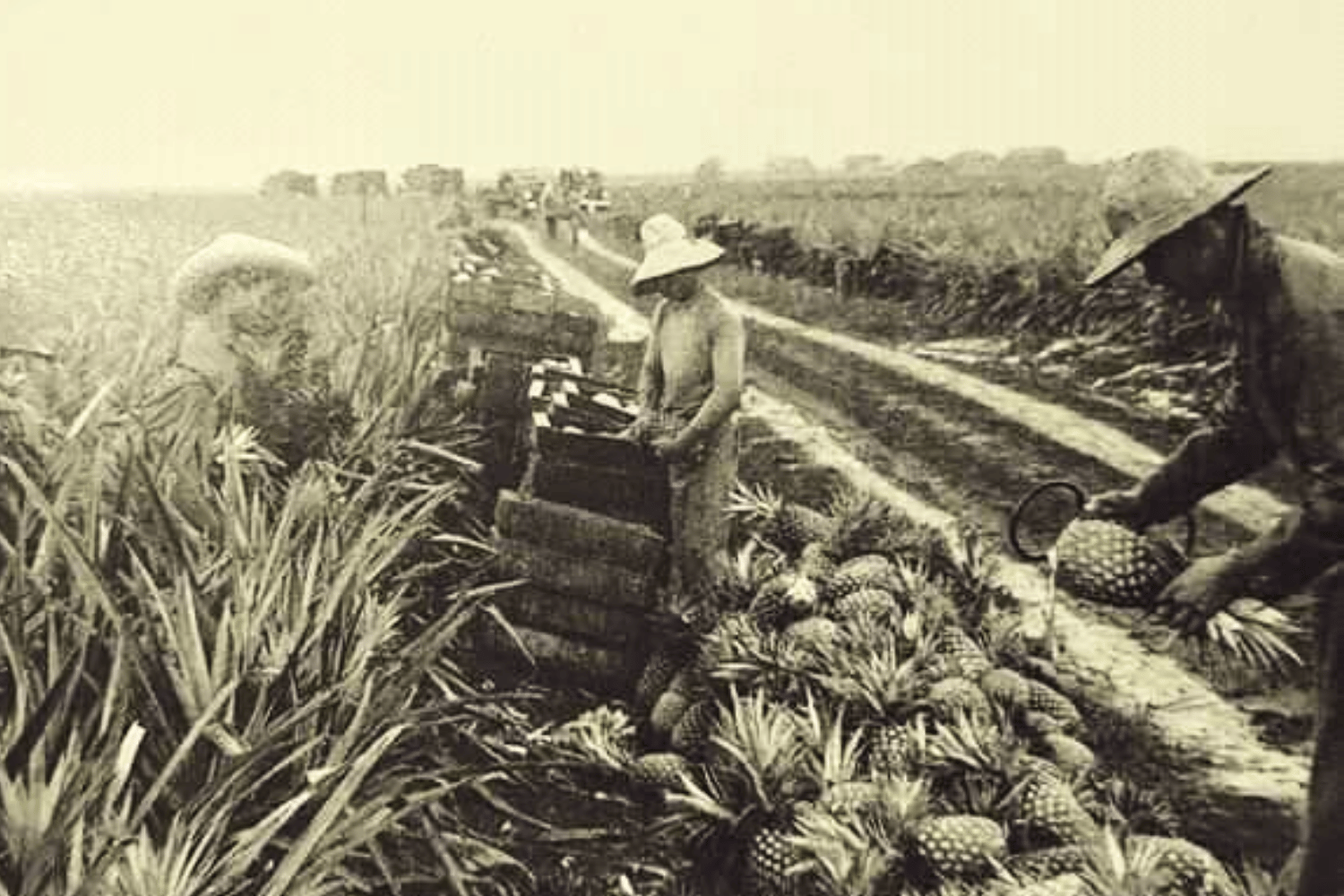
Bukidnon’s vast pineapple plantations began in 1926, when an American company turned to Mindanao to establish what would become one of the world’s largest pineapple operations
The seemingly endless rows of pineapple plants covering Bukidnon’s rolling highlands have become one of the province’s most recognizable landscapes. But few realize that this agricultural empire traces its origins to a crisis thousands of kilometers away, in Hawaii.
During the 1920s, Hawaii dominated the global pineapple industry. However, rising land costs, agricultural diseases, and competition with sugar plantations prompted American companies to seek alternative growing locations.
Among them was the California Packing Corporation, popularly known as Calpak, which marketed products under the Del Monte brand.
Why Bukidnon?
The Philippines was then an American colony, making it an attractive destination for US agricultural investments.
Company researchers discovered that Bukidnon’s elevated terrain, fertile soil, favorable rainfall, and relatively low exposure to destructive typhoons offered excellent conditions for pineapple cultivation.
In 1926, the Philippine Packing Corporation began planting pineapples in Bukidnon, reportedly using pineapple crowns imported from Hawaii.
What began as an experimental venture eventually expanded into thousands of hectares of plantations.
By the 1930s, tractors and mechanized farming equipment were transforming the highlands into vast agricultural fields. Camp Phillips in Manolo Fortich became a major plantation center, while Bugo in Cagayan de Oro developed into a processing hub.
The darker side of expansion
The industry’s growth also came with controversy.
American colonial laws restricted corporate access to public agricultural lands, but government-backed leasing arrangements helped large plantation enterprises expand.
The conversion of land into plantations, alongside government-sponsored migration, also placed pressure on Indigenous communities whose ancestral territories had existed long before the arrival of American corporations.
A global pineapple powerhouse
Despite destruction during World War II, the industry recovered and expanded as pineapple production in Hawaii became increasingly expensive.
Today, Del Monte’s operations across Bukidnon and neighboring Misamis Oriental cover approximately 30,000 hectares, forming one of the world’s major integrated pineapple production complexes.
Nearly a century after its beginnings, Bukidnon remains widely celebrated as the “Pineapple Capital of Asia,” a legacy shaped by fertile land, colonial history, corporate ambition, and generations of Filipino agricultural workers.
READ: