Sungka develops counting, concentration, and strategic thinking despite its cultural label.
A grandmother catches her grandchildren playing sungka inside the house. She immediately tells them to stop, warning that the game could bring bad luck, or even death, to the family.
For some Filipinos, particularly those raised with traditional superstitions, this warning may sound familiar.
But why is sungka, a beloved Filipino board game, sometimes associated with misfortune?
An ancient filipino game
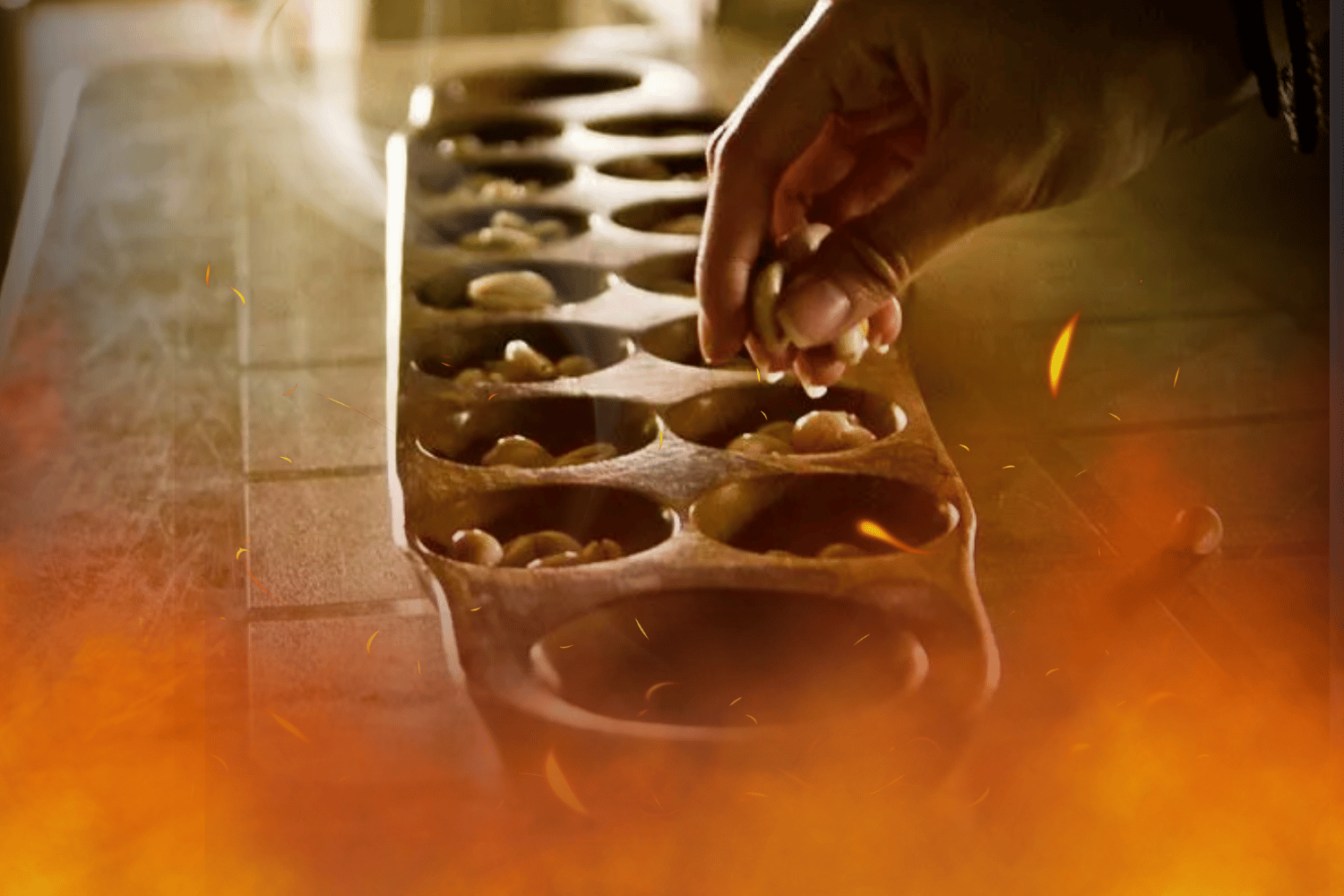
Sungka belongs to the mancala family of counting and strategy games found across Asia and Africa.
The traditional wooden board has 14 small pits and two larger storage holes, with shells, seeds, or stones serving as playing pieces.
The game is closely related to Southeast Asian variants, including Malaysia’s congkak and Indonesia’s congklak.
The fear of death
Some regional folklore associates losing at sungka with death.
Accounts of traditional beliefs in Panay describe the losing player as patay, meaning dead, alongside warnings of possible misfortune in the family.
However, these are reported superstitions, not evidence that the game predicts death.
Traditional Philippine games have also been played during communal gatherings, including wakes. This does not establish that sungka became unlucky because of funeral practices.
Why playing indoors was discouraged
Another reported superstition warns that playing sungka inside the house could cause a fire.
Accounts of this belief suggest that it encouraged some families to play outdoors instead.
Other anecdotal warnings discourage playing at night because of supposed supernatural consequences, although their historical origins remain unclear.
A game associated with divination
Sungka has also been linked to fortune-telling.
GMA News has featured a practitioner who uses the traditional board for divination.
However, contemporary spiritual practices do not establish that sungka was historically used for this purpose throughout the Philippines.
What history actually tells us
The National Commission for Culture and the Arts recognizes sungka as part of the country’s traditional gaming heritage.
Far from being inherently unlucky, sungka develops counting, concentration, and strategic thinking.
Its frightening reputation reflects certain regional beliefs and family traditions, not a universally accepted Filipino superstition.
There is no scientific evidence that playing sungka causes death, fires, or financial misfortune.
Perhaps the real malas would be allowing these fears to erase an important part of Filipino cultural heritage.
READ: