Establishing battered woman syndrome still requires evidence and expert assessment.
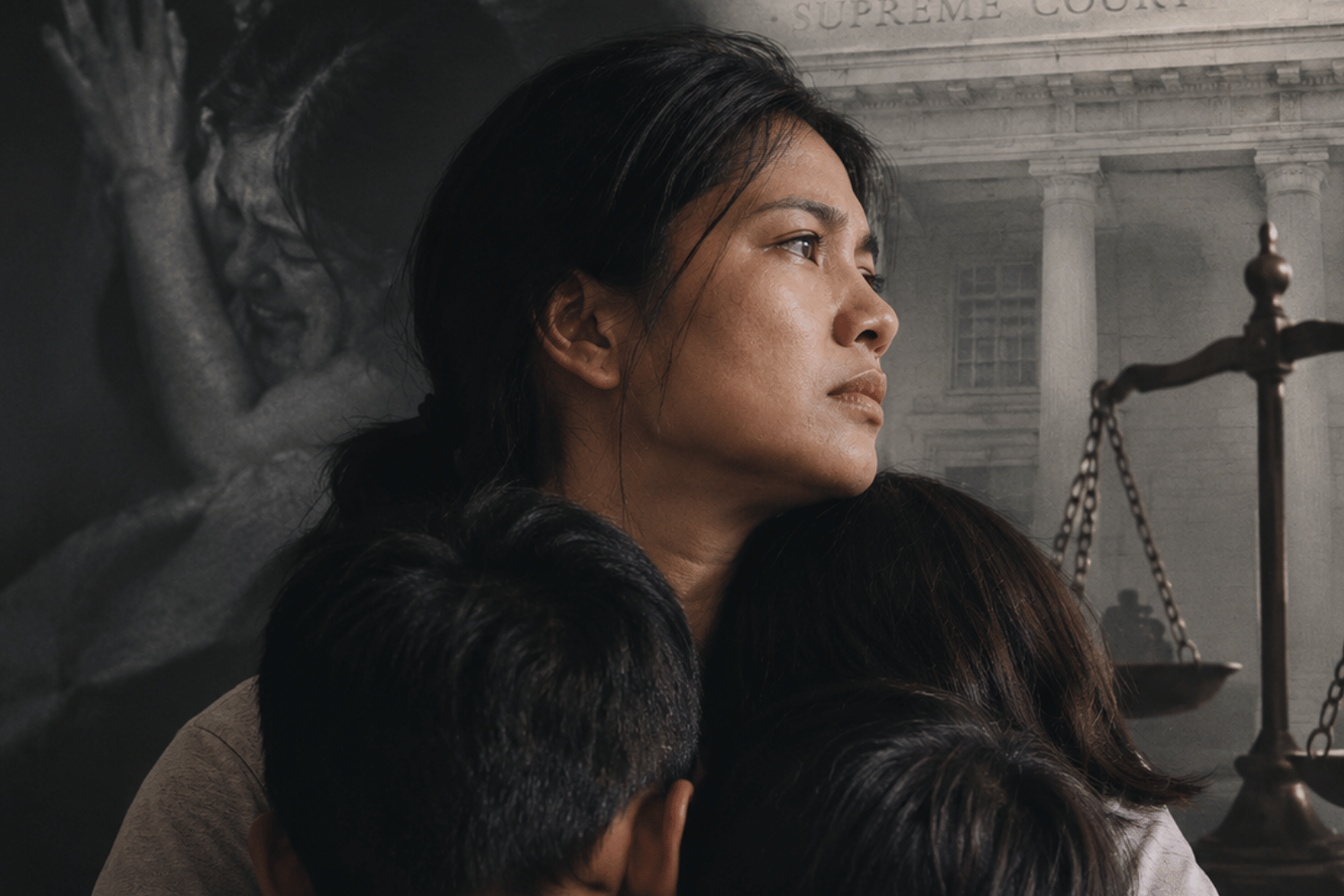
Filipina who shot and killed her abusive husband has been acquitted of parricide by the Supreme Court, in a ruling that reinforces legal protection for women trapped in violent relationships.
In a decision promulgated on July 14, 2026, the Supreme Court’s Second Division ruled that battered woman syndrome (BWS) can justify an otherwise criminal act under Republic Act No. 9262, or the Anti-Violence Against Women and Their Children Act.
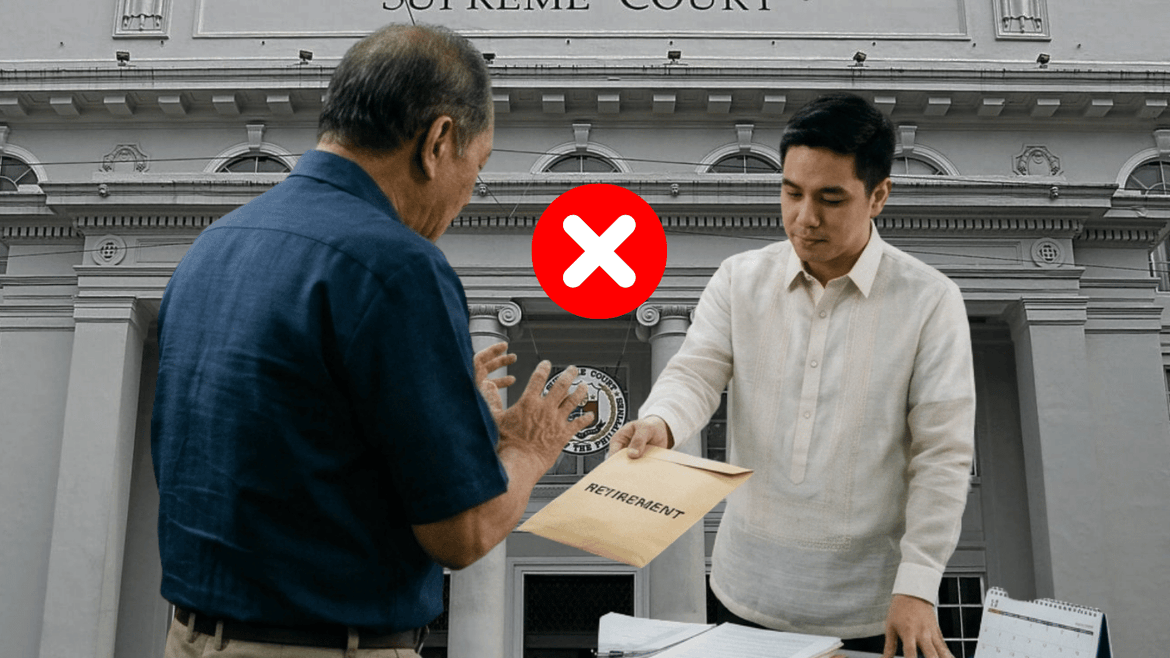
The decision, penned by Senior Associate Justice Marvic Leonen, overturned the conviction of a woman who shot her police officer husband several times with a 9mm pistol in February 2011.
Years of violence
The couple had been married for 11 years and had three children when their relationship deteriorated amid allegations of infidelity.
According to court records, the husband repeatedly assaulted his wife, sometimes beating her four times a week. The abuse continued for more than two years.
On February 8, 2011, the husband allegedly became violent toward their children, throwing their two-year-old son onto a chair.
Later that evening, as the wife attempted to leave, he allegedly threatened to kill the family, beat her, and slammed her head against a wall.
The woman claimed her vision darkened and her memory went blank. She later regained awareness at a police station.
In 2020, a trial court convicted her of parricide and sentenced her to reclusion perpetua. The Court of Appeals subsequently upheld the conviction.
When abuse becomes a legal defense
The Supreme Court reversed both rulings after considering psychiatric evidence establishing that the woman suffered from battered woman syndrome.
Under Section 26 of RA 9262, a victim found to be suffering from BWS may be exempt from criminal and civil liability even without satisfying the traditional requirements of self-defense.
Citing the landmark case “People v. Genosa,” the Court explained that battered woman syndrome develops through recurring cycles of tension, violence, and temporary reconciliation.
The justices recognized that prolonged abuse can produce psychological trauma, fear, helplessness, and memory gaps.
The Court also considered the woman’s reluctance to report the abuse, particularly because her husband was a police officer and people in their immediate surroundings had connections to him.
A warning to lower courts
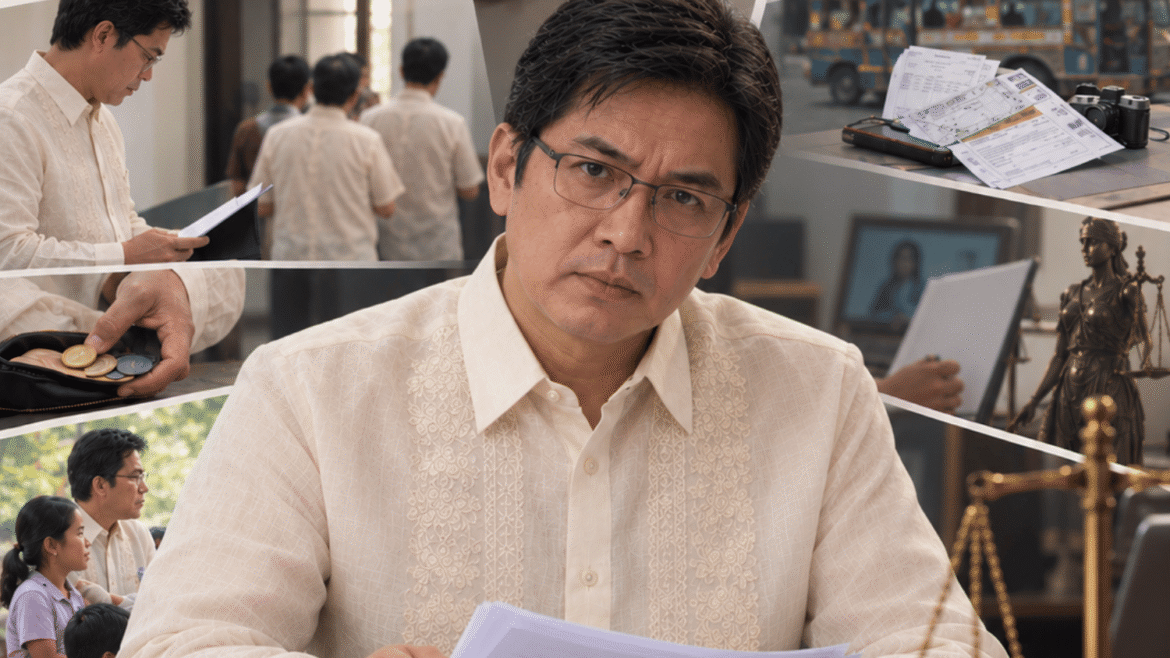
The Supreme Court stressed that victims cannot reasonably be expected to document every assault or remember every traumatic incident.
It warned that demanding perfect documentation would impose an unrealistic burden on women already suffering from repeated violence.
The ruling does not mean that killing an abusive spouse automatically results in acquittal. Battered woman syndrome must still be established through evidence, including expert assessment.
But the decision sends a powerful message to Philippine courts: domestic abuse must be evaluated in the context of prolonged trauma, not merely the final violent encounter.
For women trapped in abusive relationships, the ruling affirms that the law recognizes the psychological consequences of violence—and that survival does not always fit conventional definitions of self-defense.
READ: