OPINION: Mas masahol talaga ang tao sa hayop
Sham pet cremations, dumped remains, suspected mass poisonings... the cruelty goes on
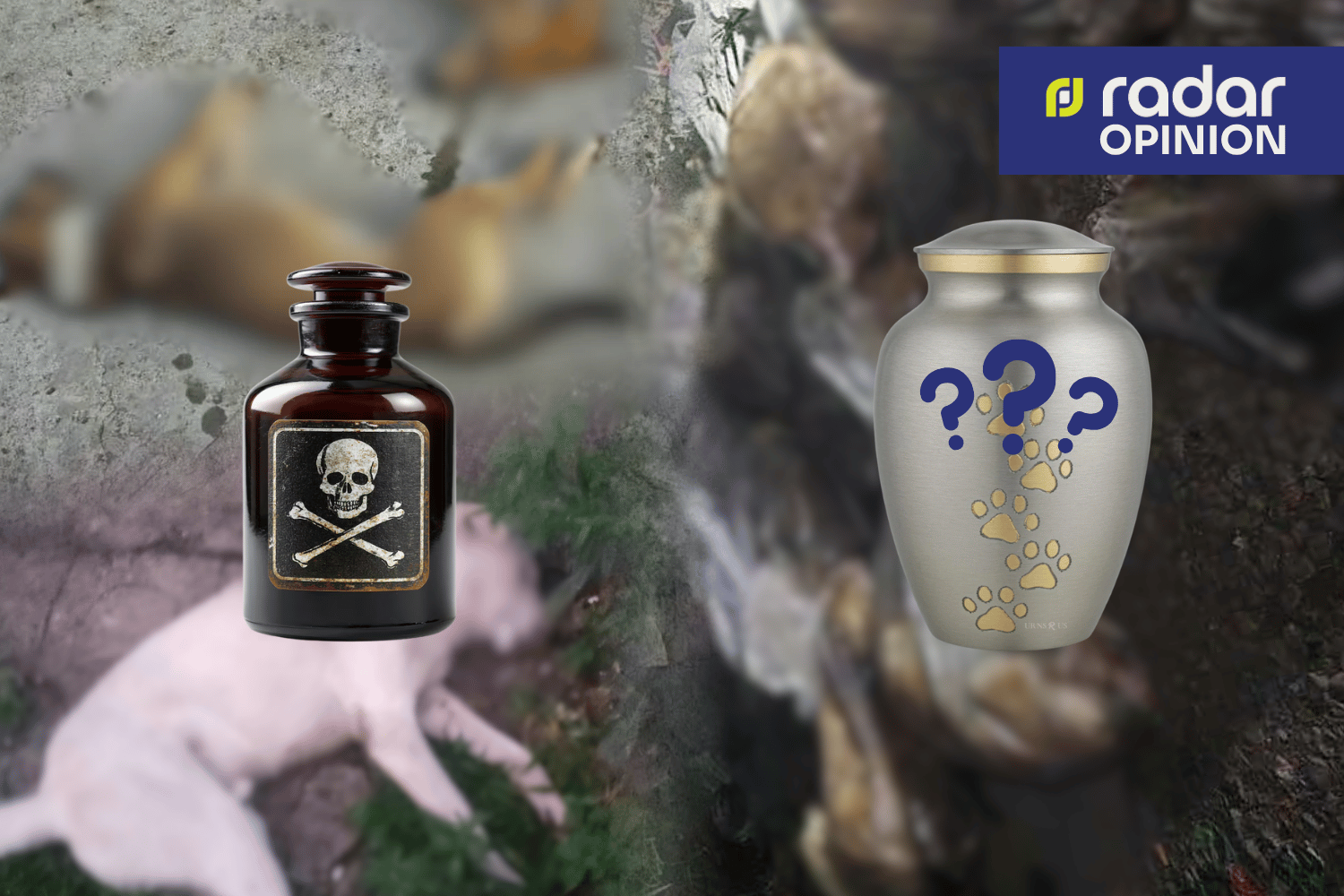

The recent animal cruelty cases have only reinforced what we knew all along: Mas masahol talaga ang tao sa hayop.
In Bacoor, Cavite, the fur parents of 29 dogs and cats paid Ahjay Paws Aftercare Pet Crematorium to give their pets a dignified farewell. Instead, the animals’ remains were found dumped in a vacant lot in San Jose del Monte, Bulacan—about a two-hour drive away.
As for the urns their owners have been looking at, touching, and crying over, they may have been mourning something other than their beloved pets. The contents could be ashes from burned wood, heaps of buhangin, or who knows what else.
Many are left wondering whether they ever received their pets’ ashes at all, including those who have long availed of pet cremation services.
The Philippine Animal Welfare Society has urged affected owners to consider filing estafa complaints over the alleged failure to provide the service they paid for. Dumping animals that were already dead does not automatically violate the Animal Welfare Act, but allegedly taking payment for a service that was never rendered is another matter.
And just as the Cavite horror story remains fresh, several dogs and cats were reportedly found dead along the streets of Barangay Kaytitinga in Alfonso, amid suspicions of deliberate poisoning. P*tang ina!
The cruelty doesn’t stop with our pets. Early in October, a young Philippine Eagle rescued in Magpet, Cotabato, was found with three airgun pellets lodged in her body. Two were removed, and the third had to be left in place because extracting it could put the bird at greater risk. Magpet survived, but the Philippine Eagle Foundation says such shootings are far from isolated—with at least one Philippine Eagle killed by shooting every year.
And for what? Walang lang, napagtripan lang? Nothing justifies shooting our national bird, especially one that is critically endangered.
In September, a Bohol-based content creator known as Secret Hunter ended nearly two years of publicly documenting his catches of bawod, kulasisi, alimukon, and other birds after radar and animal advocates exposed his posts and amplified calls for an investigation into his apparent illegal activity.
Secret Hunter and other hunter wannabes practically outed themselves, handing the Department of Environment and Natural Resources evidence of their activities on a silver platter. Yet the agency’s response appeared to amount to little more than a warning. Anyare?
There’s something particularly vile about animal cruelty. Animals cannot call the police, report their abusers, or explain what happened to them. Domesticated animals, in particular, depend on humans for food, shelter, and survival.
A dog or cat will never understand why its mouth is foaming after unknowingly swallowing poison. An eagle will never comprehend why pellets have pierced its body. They can only endure the pain and terror inflicted on them.
What does anyone gain from deliberately making a defenseless animal suffer? What kind of person finds satisfaction in that?
Animal cruelty is also a warning sign that should never be ignored. Studies have linked animal abuse to other forms of violence, including domestic abuse and child maltreatment. Such cruelty can be a red flag for violence against other vulnerable beings—humans included.
And for a predominantly Catholic country like the Philippines, Proverbs 12:10 offers a timely reminder: “The righteous care for the needs of their animals, but the kindest acts of the wicked are cruel.” Yet here we are, treating living creatures as disposable.
The Philippines already has laws to protect animals and wildlife, including the Animal Welfare Act and the Wildlife Resources Conservation and Protection Act. But what good are these protections if violators are not held accountable?
There are efforts to strengthen these laws. In June 2025, the Senate passed Senate Bill No. 2975 on third and final reading. The measure seeks to replace and strengthen the 1998 Animal Welfare Act, impose heavier penalties on abusers, and improve regulations on the care, treatment, and transport of animals.
On Nov. 1, ML Party-list Rep. Leila de Lima also urged fellow House lawmakers to prioritize bills seeking a Revised Animal Welfare Act and an Animal Welfare Enforcement Act. Together, the proposals aim to overhaul animal protection through stricter rules against neglect and abuse, a dedicated regulatory bureau, and specialized animal welfare desks in police stations to help ensure that offenders are caught and prosecuted.
Under current Philippine law, standard animal cruelty penalties range from six months to two years in prison and fines between ₱30,000 and ₱100,000, depending on whether the animal was neglected, severely mutilated, or killed. If the abuse involves a syndicate, an illegal business, or three or more animals, the penalty is two to three years in prison and a fine of up to ₱250,000.
These penalties are hardly enough to deter someone willing to inflict such cruelty. This is precisely why we need stronger animal welfare laws. More importantly, we need better enforcement of the ones already in place.
Animals cannot speak for themselves, drag their abusers to court, or demand that the government do its job. That’s our moral obligation. If we can’t protect the creatures that depend on us for survival, then perhaps we must stop pretending we are the more civilized species.
Mas masahol talaga ang tao sa hayop. It may sound like an exaggeration, but look, we’re f*cking proving it every time.
READ:

OPINION: Pet crematoriums need regulation, not just business permits
Kenneth M. del Rosario
November 5, 2026

OPINION: Stop buying dogs for content and clout
Mianne Cudal
August 14, 2026

OPINION: Pet owner’s grief should not become a business marketing strategy
John Lloyd Aleta
November 2, 2026
Tags: Ahjay Paws Aftercare Pet CrematoriumAlfonsoanimal crueltyBacoorBarangay KaytitingaBoholBulacanCaviteCotabatoDepartment of Environment and Natural ResourcesLeila de LimaMagpetML Party-listpet cremationPhilippine Animal Welfare ActPhilippine Animal Welfare SocietyPhilippine EaglePhilippine Eagle FoundationSan Jose del MontescamSecret HunterSenate Bill No. 2975Wildlife Resources Conservation and Protection Act