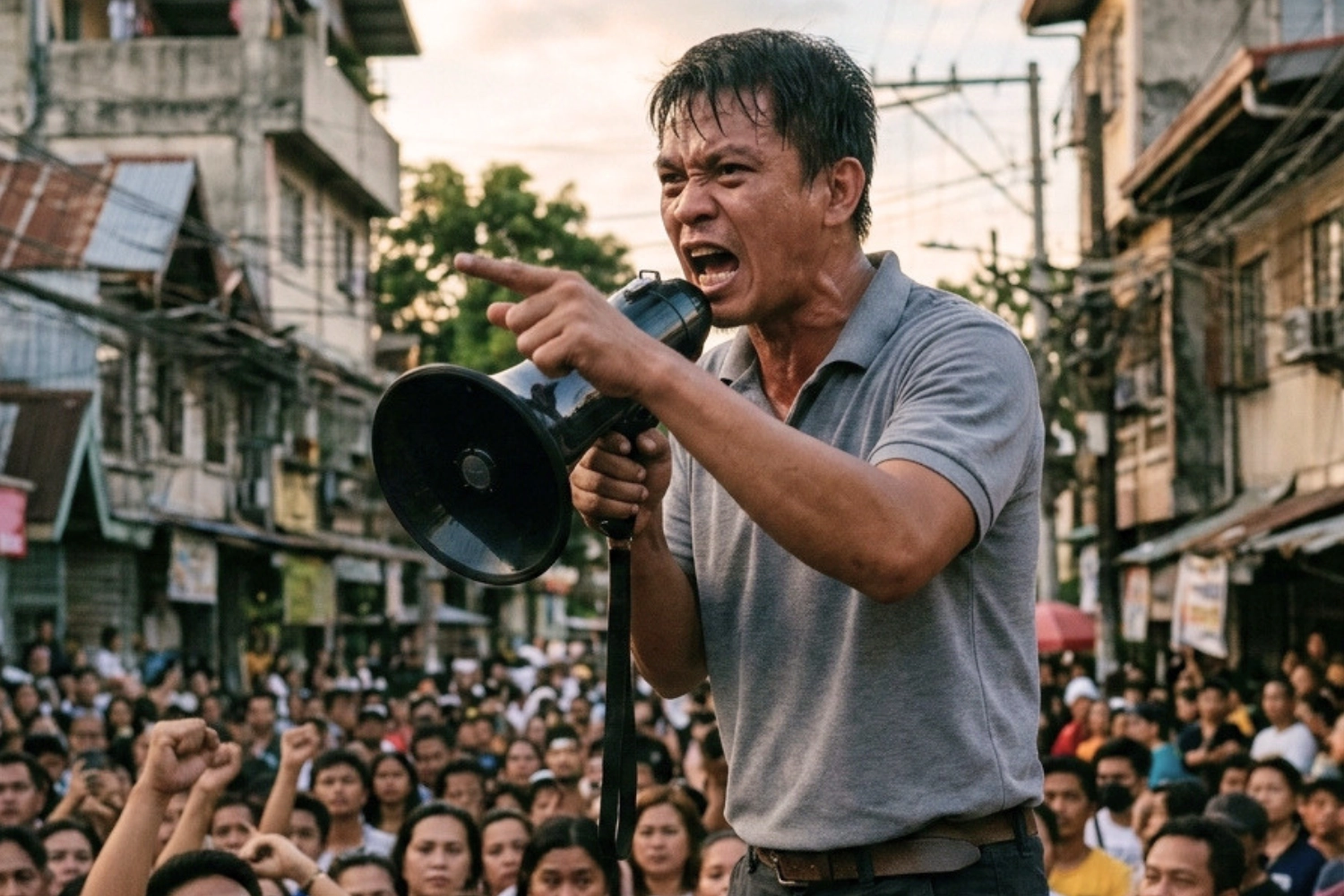
“Pwede ba akong magkomento tungkol sa pamamalakad ng gobyerno? Pwede.”
“Okay lang ba maghayag ng saloobin tungkol sa mga panlipunang usapin? Sure.”
But when it comes to spreading malicious or unverified information, the Court’s response was emphatic:
“Eh ang mag-post o magpakalat ng mga impormasyong malisyoso at hindi kumpirmado? Oops, huwag ganun!”
The reminder applies to everyone, from professional journalists and broadcasters to vloggers, influencers, and ordinary social media users.
Criticism is allowed, defamation is not
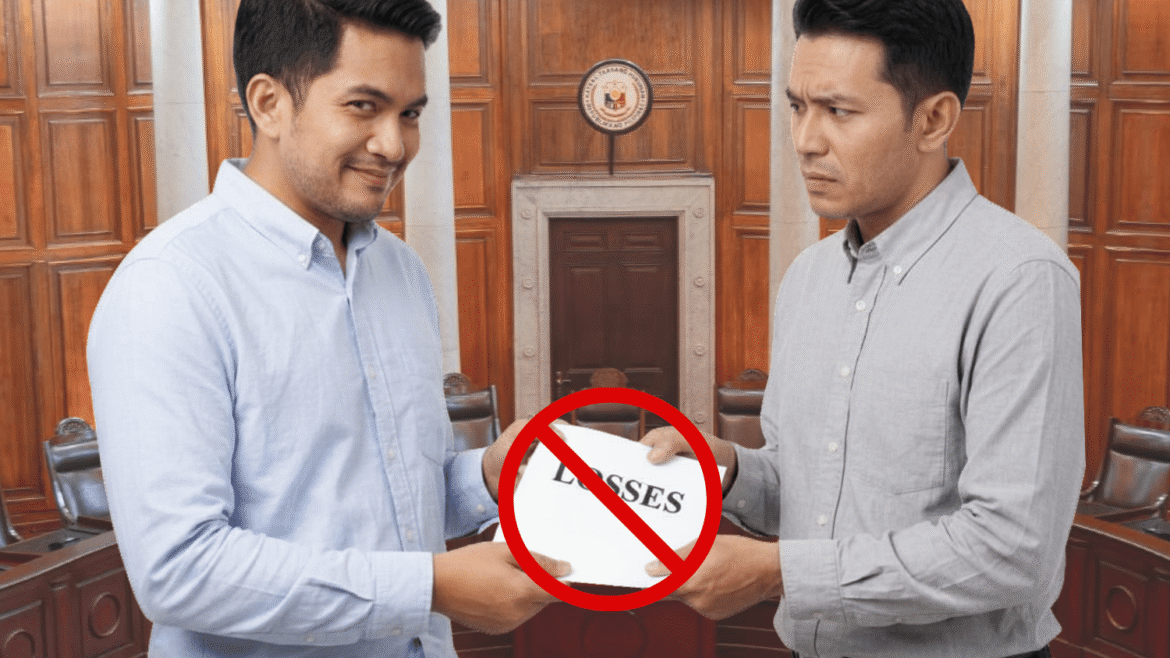
The Supreme Court explained several legal concepts governing freedom of expression, beginning with libel.
Under Philippine law, libel generally involves a defamatory allegation that is published, identifies a person, and carries the legally required element of malice.
Slander refers to oral defamation, while slander by deed involves actions that dishonor or discredit another person.
Online defamatory statements may also fall under the cyberlibel provisions of Republic Act No. 10175, or the Cybercrime Prevention Act.
However, not every offensive statement, harsh criticism, or negative opinion automatically constitutes defamation.
Public officials can be criticized
One important principle highlighted by the Court is the doctrine of fair comment.
Under this doctrine, honest opinions and criticism concerning public officials and matters of public interest may be protected when grounded in established facts.
The Court also discussed public figures, whose activities may legitimately attract greater public scrutiny.
In certain defamation cases involving public officials or public figures and matters of public concern, the actual malice standard applies. This requires proof that a defamatory factual statement was made with knowledge of its falsity or reckless disregard for whether it was true.
This distinction is particularly important when discussing politicians, celebrities, influencers, and other personalities whose actions frequently become subjects of public debate.
Free speech has limits
The Supreme Court also explained the difference between prior restraint and subsequent punishment.
Prior restraint involves government restrictions imposed before an expression is published or communicated. Such restrictions face a strong constitutional presumption against validity.
Subsequent punishment refers to legal consequences imposed after publication or expression when an applicable law has been violated.
The Court likewise discussed privileged communication, which may protect certain statements made in the performance of legal, moral, or social duties, subject to specific requirements.
Think before you post
The Supreme Court’s reminder is particularly relevant in an environment where accusations can spread across social media within minutes, often reaching thousands of users before their accuracy is established.
Sharing an accusation, repeating an unverified claim, or publicly identifying someone as guilty of wrongdoing can carry legal risks depending on the circumstances.
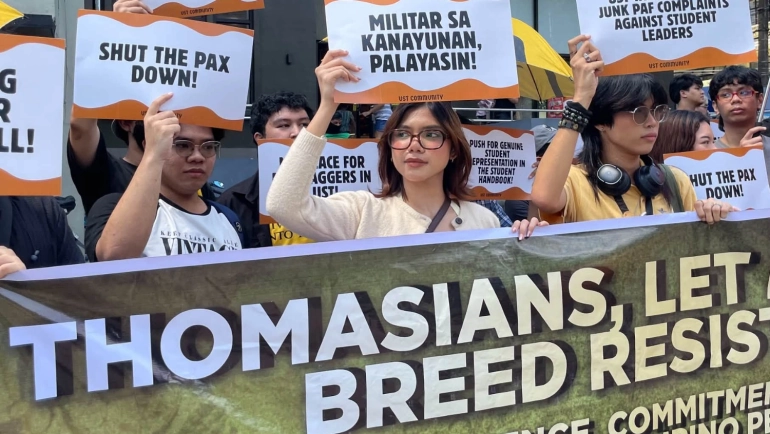
At the same time, the law does not prohibit citizens from questioning public officials, criticizing government policies, or discussing matters of public interest.
As the Supreme Court emphasized:
“Sa isang bansang demokratiko gaya ng Pilipinas, may karapatan tayo na makapagsalita, makapagpahayag at magkaroon ng access sa malayang pamamahayag.”
But the Court also reminded Filipinos that every right carries responsibility.
“Ikaw man ay broadcaster, vlogger, writer o ordinaryong mamamayan, tandaan na ang bawat karapatan ay mayroong kaakibat na pananagutan.”
The message is clear: Filipinos are free to speak, criticize, and demand accountability. But freedom of expression does not automatically protect malicious or defamatory statements.