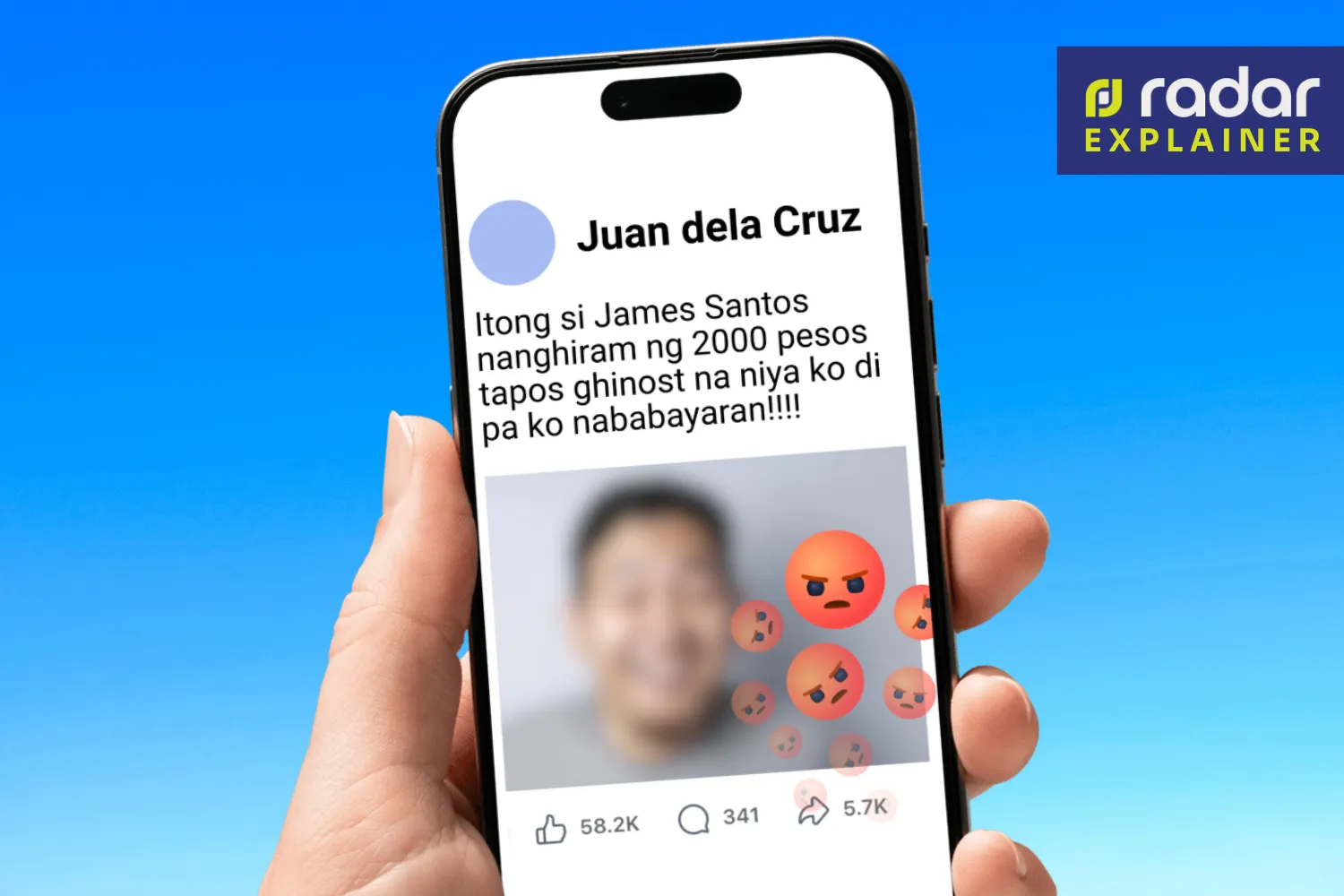
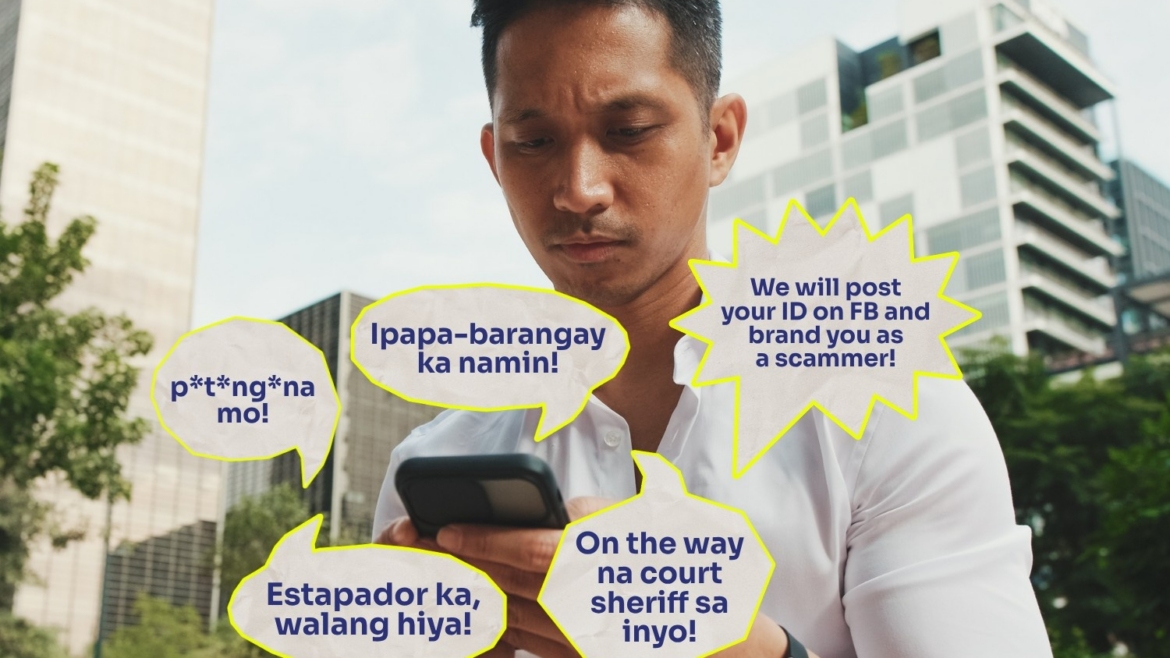
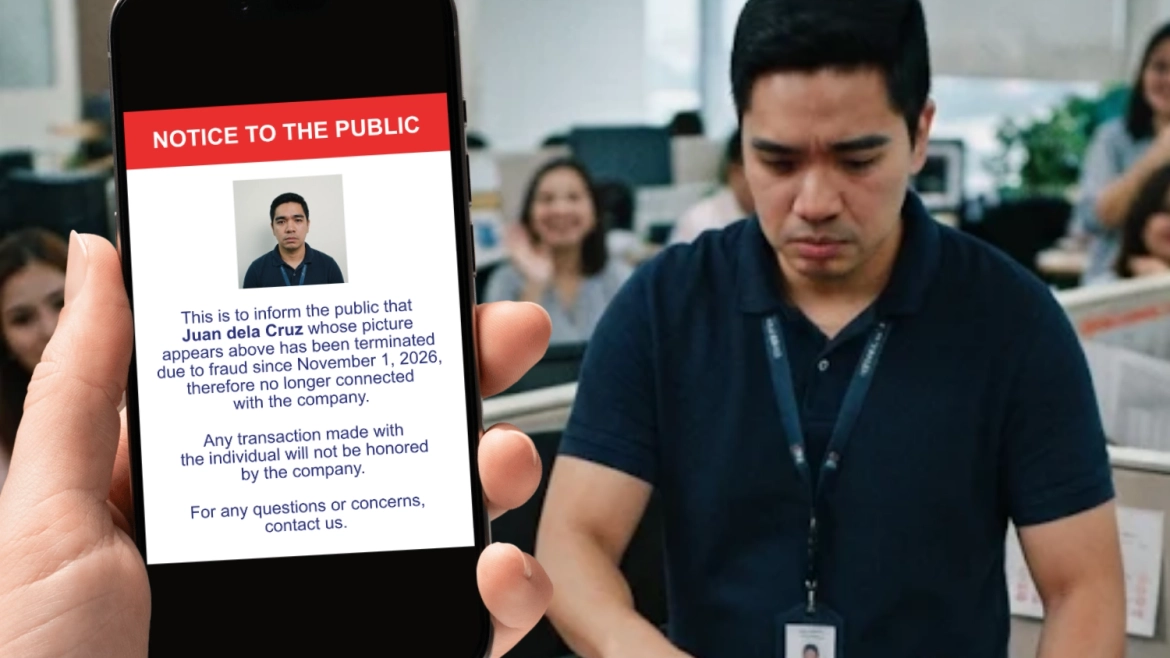
Someone borrowed ₱20,000 from you, promised to repay it within a month, and suddenly stopped answering your calls. Frustrated, you post their photograph, full name, and unpaid balance on Facebook or other social media platforms, hoping public embarrassment will force them to pay.
But that attempt to humiliate someone could put you on the wrong side of Philippine law.
Debt shaming can be a criminal offense
Even when the utang is real, publicly humiliating a borrower on Facebook, TikTok, Instagram, or other social media platforms can violate several Philippine laws.
Republic Act No. 10173, or the Data Privacy Act of 2012, regulates the processing and disclosure of personal information. Publishing someone’s financial details, photographs, or identifying information without a lawful basis may constitute a violation.
The National Privacy Commission has also addressed abusive debt collection practices involving the public disclosure of borrowers’ personal and financial information.
Republic Act No. 10175, or the Cybercrime Prevention Act of 2012, penalizes cyber libel. Malicious social media posts attacking someone’s reputation over unpaid obligations may qualify as cyber libel, depending on their content and circumstances.
Articles 19, 20, 21, and 26 of the Civil Code may likewise provide grounds for civil damages when collection methods unlawfully violate someone’s dignity, privacy, or reputation.
The government has warned against it
The Department of Justice has identified publicly posting borrowers’ personal information to shame them as an abusive collection practice that may violate Philippine laws.
For lending and financing companies, Securities and Exchange Commission Memorandum Circular No. 18, Series of 2019, prohibits unfair debt collection practices, including unauthorized disclosure of borrowers’ personal information.
However, not every social media post mentioning an unpaid loan automatically constitutes a criminal offense. Liability depends on the circumstances and the legal requirements involved.
How to collect your money legally
Creditors can send formal demand letters, seek barangay conciliation when required, or file small claims cases before first-level courts.
Under the Supreme Court’s Rules on Expedited Procedures, qualifying monetary claims of up to ₱1 million may be pursued through small claims proceedings without lawyers representing the parties at the hearing.
Article III, Section 20 of the Constitution also prohibits imprisonment simply for debt, although separately punishable offenses such as fraud are different matters.
The bottom line
Being owed money does not give anyone the right to publicly humiliate another person.
You can demand repayment, pursue legal remedies, and hold borrowers accountable.
But using Facebook or other social media platforms to shame someone into paying can expose you to criminal complaints and civil lawsuits.
The utang may be real. The public humiliation may still be unlawful.