Protect yourself from public shaming against lenders.
The rapid rise of consumer lending and Buy Now, Pay Later (BNPL) applications has made accessing credit easier than ever, but it has also led to an increase in aggressive debt collection methods.
Under Philippine law—specifically Securities and Exchange Commission (SEC) Memorandum Circular No. 18 and the Financial Products and Services Consumer Protection Act (FCPA)—lenders have a right to recover what is owed, but they are strictly barred from crossing ethical and legal lines.
Illegal debt collection tactics
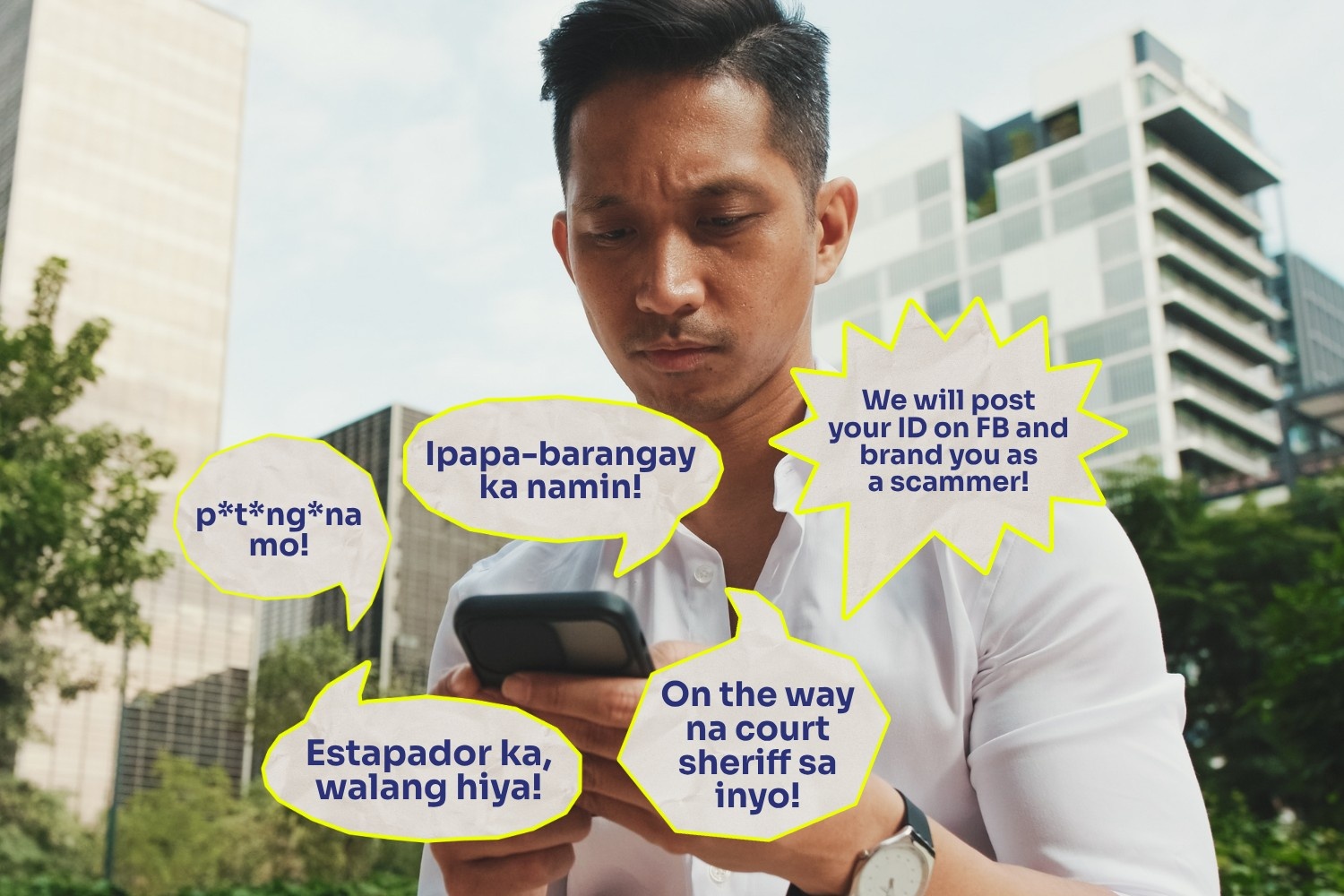
Contact-List Blasting: Collectors are legally prohibited from accessing your smartphone’s contact list to message your friends, coworkers, or relatives. Unless an individual is officially signed as a co-maker or a guarantor on your loan documents, contacting them regarding your debt is an absolute breach of privacy.
Neighborhood Shaming and Location Invasions: Sending field agents to a workplace or a third-party residence—especially an address where the borrower does not reside or where uninvolved individuals live—is an illegal pressure tactic. The law explicitly forbids exposing a borrower’s financial delinquency to the public or to people with no lawful interest in the transaction.
Cyberharassment and Social Media Threats: Threatening to post your valid ID, face, or personal chat histories on public feeds, or branding you as a “scammer” or “thief” in online group chats constitutes unlawful disclosure and online defamation.
Profanity, Insults, and Verbal Abuse: Using patronizing, degrading, or obscene language during phone calls or via text messages to induce emotional distress is a punishable offense.
Fake Court Actions and Legal Spoofing: Sending fraudulent subpoenas, fake barangay summons, or spoofed law enforcement alerts threatening immediate arrest is highly illegal. Remember that under the Philippine Constitution, no one can be imprisoned for non-payment of a purely civil debt (excepting cases involving bouncing checks under B.P. 22).
Unreasonable Contact Hours: Collection calls, automated alerts, and home visits are restricted to reasonable hours. Collectors are barred from contacting you before 6AM or after 10PM, unless you have given express consent due to unconventional working hours.
How modern credit company exploits you
Digital micro-lending apps reduce cognitive barriers to debt through gamified interfaces and instant approvals. They exploit excessive smartphone permissions to access contact registries and photo galleries. The commission-driven collection agencies use this data as a weapon when payments become late and use aggressive psychological tactics and severe privacy violations until regulatory bodies step in.
READ: