The Philippines knows how to roll out the red carpet for foreign dignitaries. It can prepare venues, spruce up roads, deploy security personnel and make sure visiting leaders get a warm welcome. But while the country is busy putting its best foot forward for the rest of Southeast Asia, perhaps we should ask what it is doing for the millions of Filipinos who need better schools, proper nutrition and basic public services.
The government has allocated ₱22.9 billion for the country’s Association of Southeast Asian Nations (ASEAN) chairship and related summits, an amount Malacañang has defended as an investment in the country’s international standing, infrastructure and economic interests.
Those are worthwhile objectives. But ₱22.9 billion is also a staggering amount of public money, and it is worth looking at what it could have delivered outside the diplomatic circuit.
For starters, consider classrooms. Using an estimated ₱3.03 million allocation per classroom under the Department of Education’s 2026 School Building Program, the ASEAN budget could theoretically finance around 7,500 classrooms.
That’s thousands of additional spaces where children could learn instead of squeezing into overcrowded classrooms or studying in facilities that need serious attention.
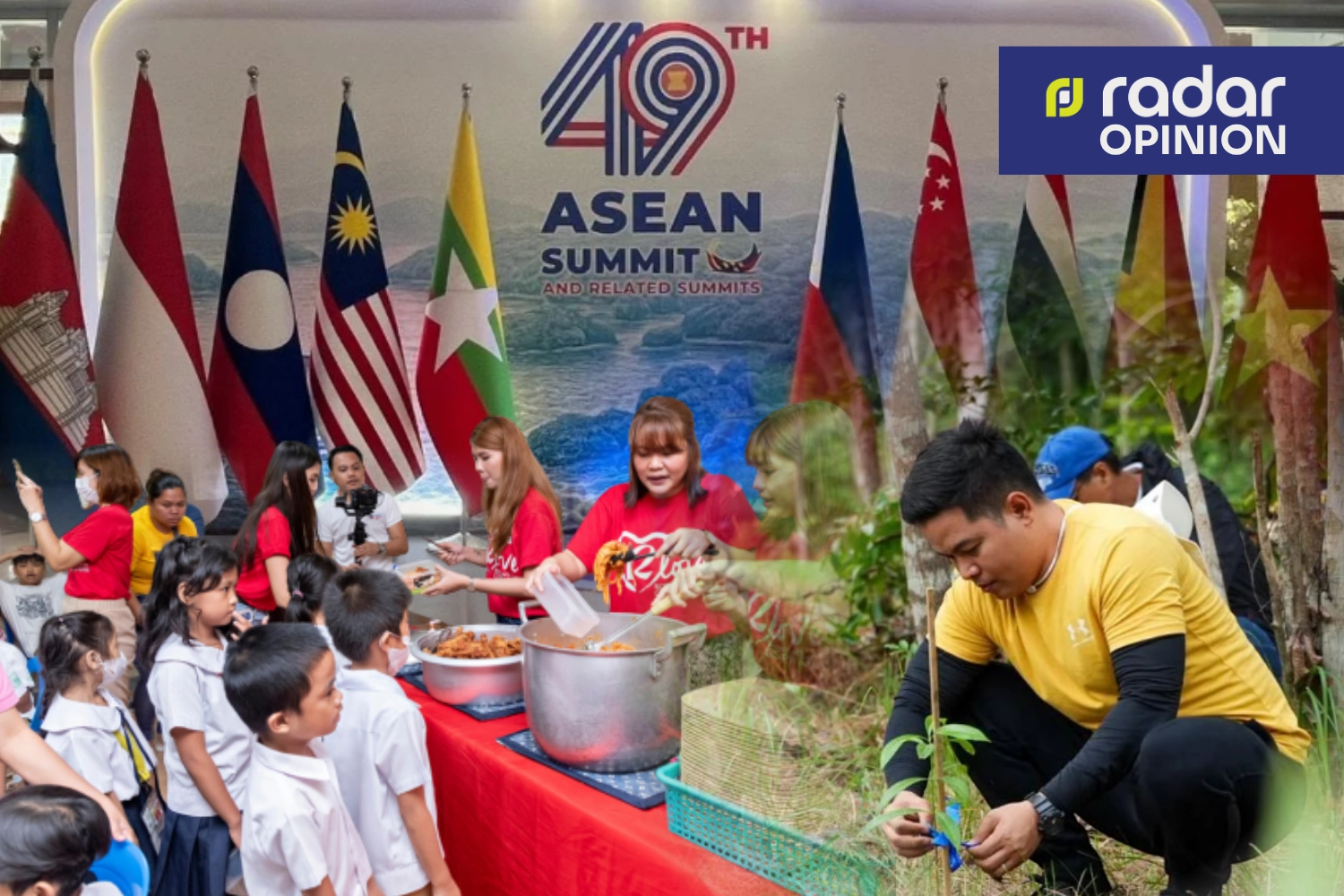
Then there’s childhood hunger. The Department of Social Welfare and Development’s supplementary feeding program puts the cost of one meal at ₱25 per child. At that rate, ₱22.9 billion could pay for more than 916 million meals.
Think about that for a moment. Hundreds of millions of meals that could help children get through the school day without having to learn on an empty stomach.
The environment could also use a share of that money. The Department of Environment and Natural Resources estimates that planting and maintaining an indigenous tree for three years costs around ₱100. The ASEAN allocation could therefore support 229 million trees, including their maintenance and protection.
Of course, these comparisons are not proposals to cancel the country’s ASEAN hosting commitments or suggest that every peso could simply be transferred to another government program. Hosting an international summit requires security, transportation, venues and other logistical preparations.
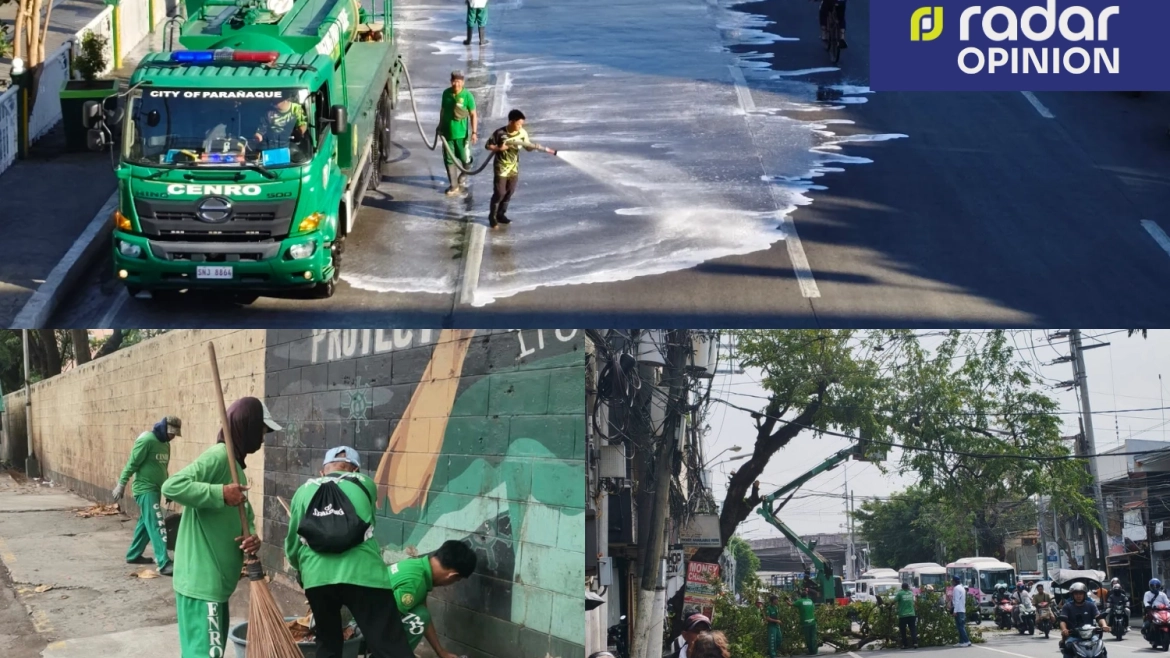
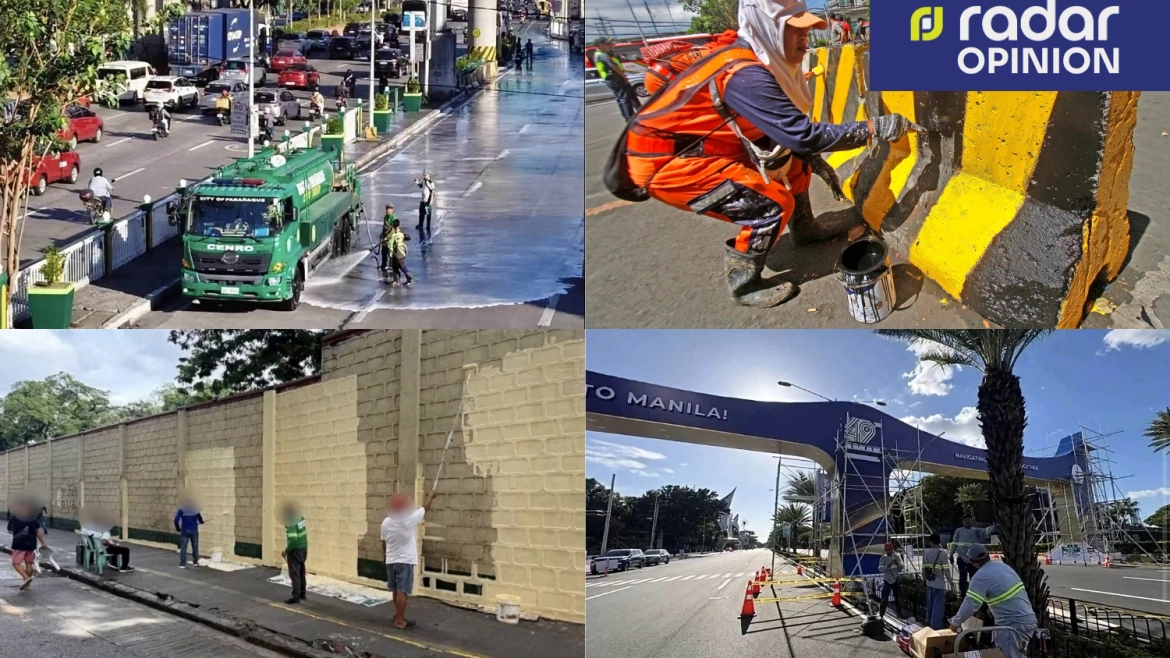
Apparently, it also takes money to cover up the country’s less flattering views, from informal settlements and rundown neighborhoods to vendors and other reminders of urban poverty. After all, we cannot have foreign dignitaries getting an unfiltered look at everyday life in the Philippines.
Some infrastructure improvements may also benefit the public long after the delegates leave. But that should be part of the justification for the spending, not an excuse to avoid asking where the money went and what it actually delivered.
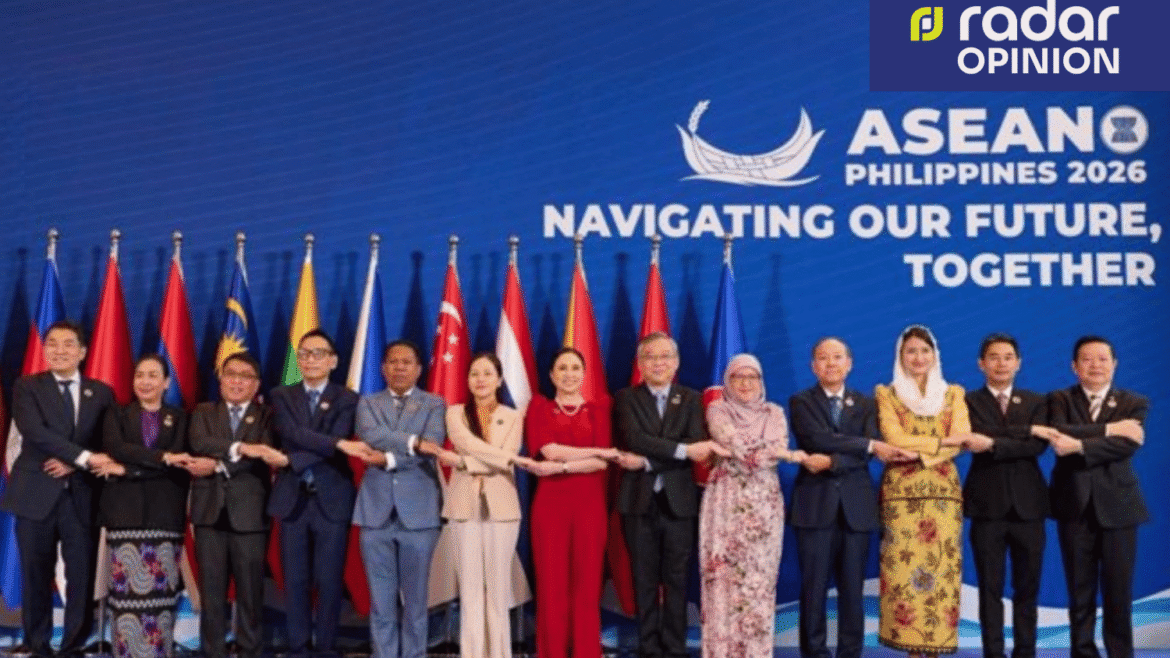
The government has repeatedly described the ASEAN chairship as an opportunity to attract investments, strengthen regional partnerships and promote the Philippines as a reliable economic partner. Fine. But these promises should translate into tangible benefits for Filipinos, not simply a successful series of meetings and photographs of smiling officials welcoming foreign guests.
Malacañang has said the allocation will be reported and subjected to a Commission on Audit review. The public should expect a detailed accounting of how the money was used, which projects were completed and what benefits will remain after the summit.
A successful ASEAN chairship should leave the country with more than good photographs, freshly dressed-up roads and temporary improvements meant to impress visitors. It should leave Filipinos with better public facilities, improved services and opportunities that continue long after the diplomatic calendar is cleared.
We can spend billions making the country look good for a few days. But making life better for the people who actually live here should be an equally serious government priority.
That’s the point.