A concert ticket, a festival wristband, a movie stub, or even a piece of confetti. What older generations might consider disposable, Gen Z is turning into something worth keeping forever.
For a generation that grew up with smartphones, cloud storage, and digital everything, collecting physical memorabilia has become a surprisingly sentimental habit.
And there’s a reason behind it.
The need for something real
Most experiences today are documented through screens. Concert tickets arrive as QR codes, photographs disappear into crowded camera rolls, and memorable moments become Instagram Stories that vanish after 24 hours.
Physical souvenirs offer something different: permanence.
A crumpled concert ticket can instantly bring back the excitement of seeing a favorite artist. A festival wristband can recall friendships, laughter, and unforgettable performances.
These objects become emotional anchors to experiences that cannot be repeated.
The ‘I was there’ culture
For Gen Z, memorabilia also represents identity and belonging.
In K-pop, P-pop, and other fandom communities, collecting tickets, photocards, wristbands, and concert merchandise is a way of celebrating shared experiences.
It’s not necessarily about showing off. Sometimes, it’s simply about having proof that they were part of something special.
When memories become art
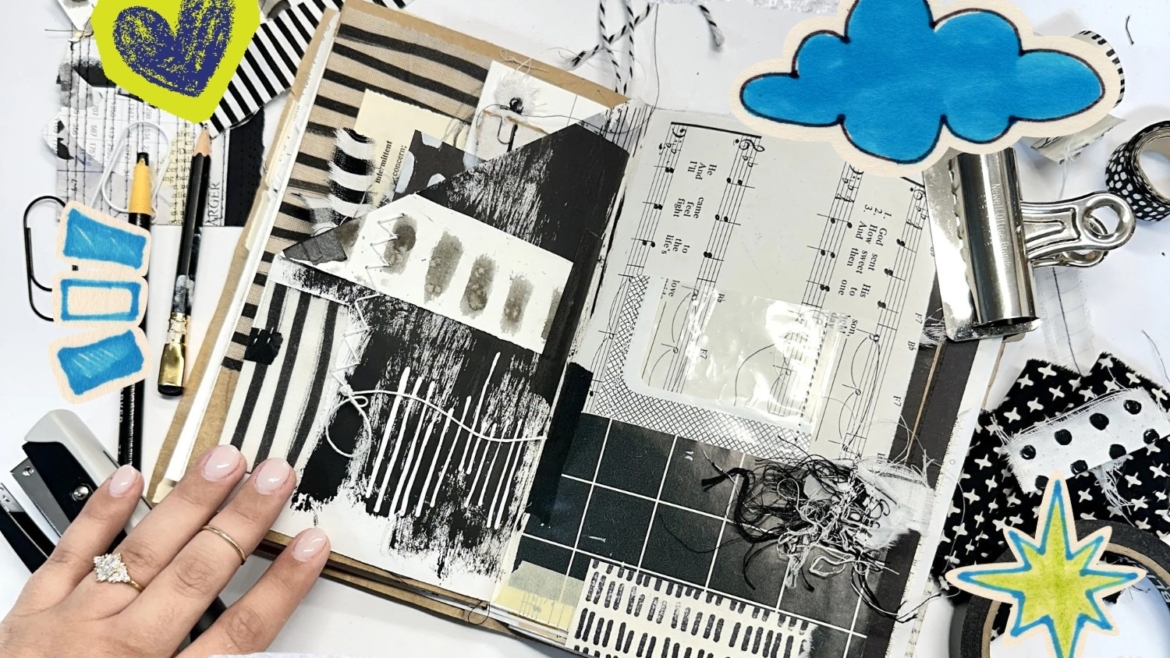
Social media has also helped popularize scrapbooking, junk journaling, and creative memory-keeping.
On TikTok, young collectors transform ordinary receipts, ticket stubs, stickers, and photographs into elaborate journals and memory boxes.
Some even preserve concert confetti or display tickets inside transparent phone cases.
Interestingly, as digital ticketing becomes increasingly common, traditional paper tickets have become more desirable to collectors. Some fans even create souvenir versions of their digital passes.
Psychologists describe the emotional attachment to possessions through concepts such as autobiographical memory and the extended self, in which objects help people remember experiences and express identity.
Ultimately, Gen Z’s fascination with memorabilia reveals something deeply human.
In a world where almost everything can be stored digitally, sometimes the most meaningful memories are the ones you can actually hold.