ANALYSIS: The Philippine economy is losing steam, and growth forecasts are falling
Weak spending and investment threaten an already sluggish recovery
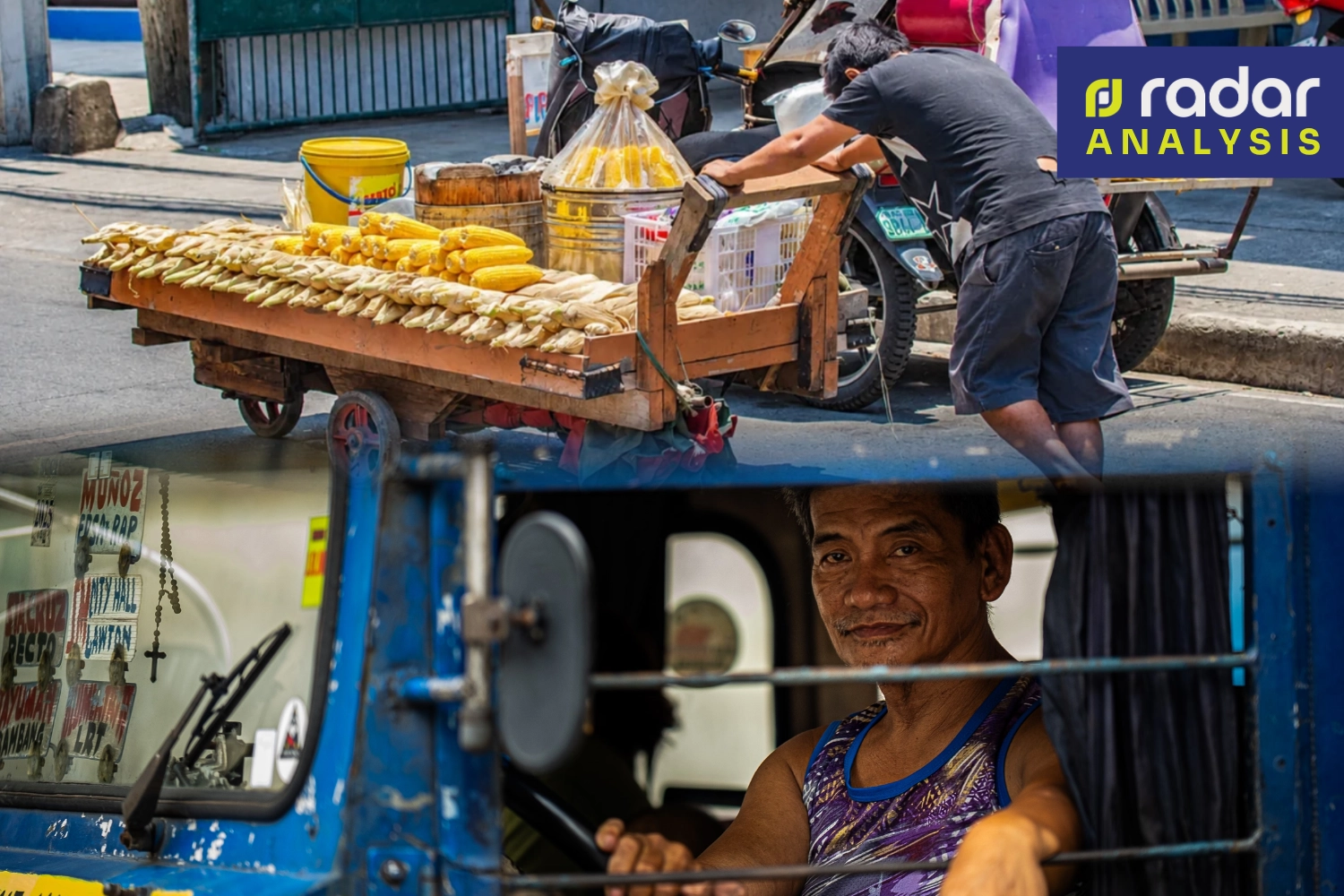
The Philippine economy is losing steam, and the latest growth forecasts suggest the slowdown may last longer than expected.
The latest projections from international financial institutions point to an even weaker growth outlook for the Philippines, with both S&P Global Ratings and Deutsche Bank lowering their 2026 forecasts.
S&P Global Ratings lowered its 2026 growth forecast to 2.4% from 2.9%, while Deutsche Bank cut its estimate to 2.5% from 2.9%, putting both projections below the government’s target of 3.5% to 4.5%.
The downgrades reflect an economy where several sources of growth are weakening at the same time, from household spending and business investment to agriculture and public infrastructure activity.
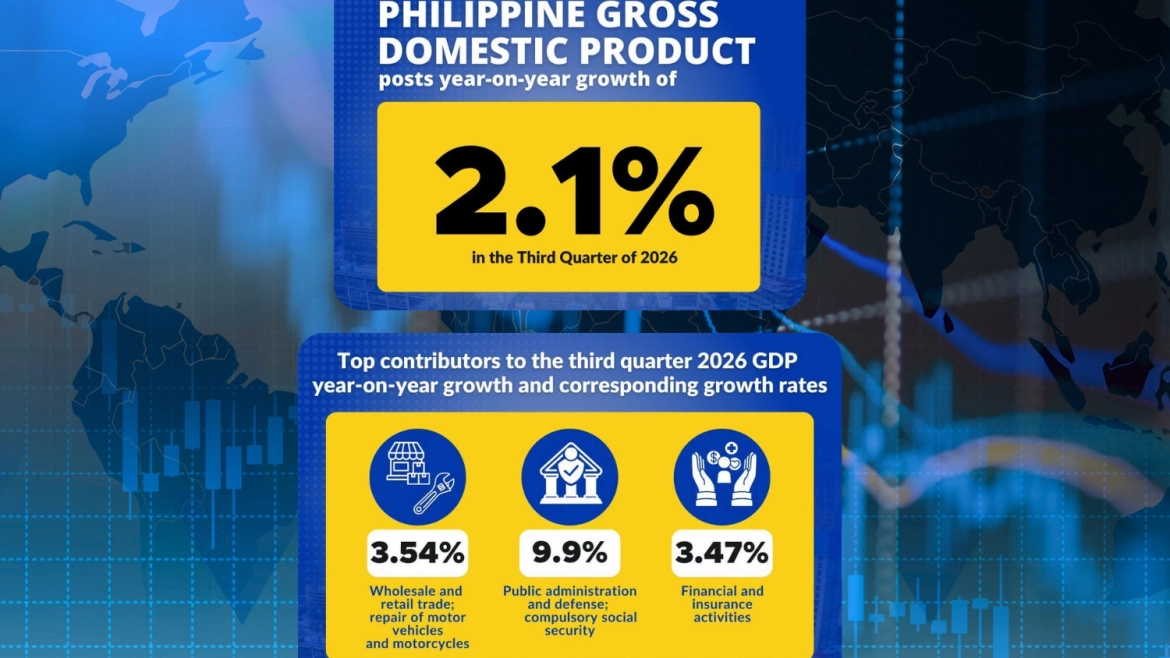
Gross domestic product also grew by just 2.1% in the third quarter, bringing average growth in the first nine months to 2.5%, well below the pace needed to meet the government’s full-year target.
Meanwhile, household consumption, a major driver of the Philippine economy, grew by 2.4% in the third quarter, slower than the 4% recorded in the same period last year, as rising prices leave families with less room to spend.
Since household spending accounts for a large share of economic activity, slower consumption can affect businesses that depend on everyday purchases, from food retailers and restaurants to transport operators and other consumer-facing industries.
Slowdown in investment
The slowdown is also visible in investment, with gross capital formation falling by 4.4% in the first nine months, while gross fixed capital formation, which includes spending on construction and machinery, contracted by 7.5% over the same period.
These figures suggest that businesses and other investors are putting less money into expanding productive capacity, building facilities, and acquiring equipment. That can mean fewer construction projects and less demand for the materials, machinery, transport, and labor needed to carry them out.
Delayed infrastructure projects can also hold back businesses that depend on better roads, ports, and other public facilities to move goods and reach customers.
Agriculture contraction
Weakness extends beyond spending, as agriculture contracted by 4.8% in the third quarter and the industry sector was virtually flat. Meanwhile, September unemployment reached 5.4%, up from 3.8% a year earlier.
The agricultural contraction points to another source of weakness in the economy, while the higher unemployment rate suggests that more Filipinos are having difficulty finding work. Together, these developments add to the pressure on household incomes and spending.
Manufacturing offers a more mixed picture, with production volume rising by 9% in September, led by petroleum products, basic metals, and transport equipment, but food manufacturing output falling by 4.5%.
The increase in overall manufacturing output shows that some industries are still expanding. However, the decline in food manufacturing suggests that this growth is uneven, particularly among businesses producing goods that Filipinos regularly buy.
Investment pledges up
There are signs of potential investment, with approved foreign investment pledges reaching ₱166.03 billion in the third quarter, more than double the amount recorded a year earlier.
However, these are still commitments, and their eventual economic benefits will depend on whether the projects push through.
The approved projects were expected to generate 27,799 jobs, slightly fewer than the 27,843 projected a year earlier, showing that bigger investment pledges do not necessarily translate into more jobs.
Meanwhile, inflation accelerated to 7.8% in October, driven partly by transport costs, which rose by 20.1%, adding pressure on households and businesses already dealing with weaker demand.
The increase in transport costs can feed into the prices of goods and services, as businesses face higher expenses moving raw materials and finished products. Households, meanwhile, have to spend more on transportation, leaving less money for other purchases.
Remittances to the rescue
The Bangko Sentral ng Pilipinas has raised its benchmark interest rate to 5.5% to contain inflation, but higher borrowing costs also make it more expensive for companies to expand and for consumers to finance major purchases.
S&P expects another rate increase in December, while Deutsche Bank sees the possibility of further tightening if price pressures remain elevated, leaving businesses with little certainty about when financing conditions may improve.
Both banks point to the government’s ability to carry out infrastructure projects and restore confidence as key to the recovery, while risks such as El Niño, higher energy costs, and food-import restrictions could further complicate the outlook.
The Philippines still has sources of support in remittances, business process outsourcing, and professional services, but these may struggle to offset weak investment and household demand if public projects continue to move slowly.
READ:

OFWs keep money flowing into the economy
John Lloyd Aleta
November 16, 2026
OPINION: This Halloween, the real horror is our economy
John Lloyd Aleta
November 1, 2026
PH economy slows to 2.1% growth in Q3 of 2026
radar Business
November 9, 2026
Tags: agriculturebangko sentral ng pilipinasBPO industryDeutsche Bankeconomic forecasteconomic growtheconomic slowdowneconomyEl Niñoenergygross domestic producthousehold expensesinflation rateinfrastructureinterest ratesinvestmentsmanufacturingprofessional servicesremittancesS&P Global Ratingsunemployment rate