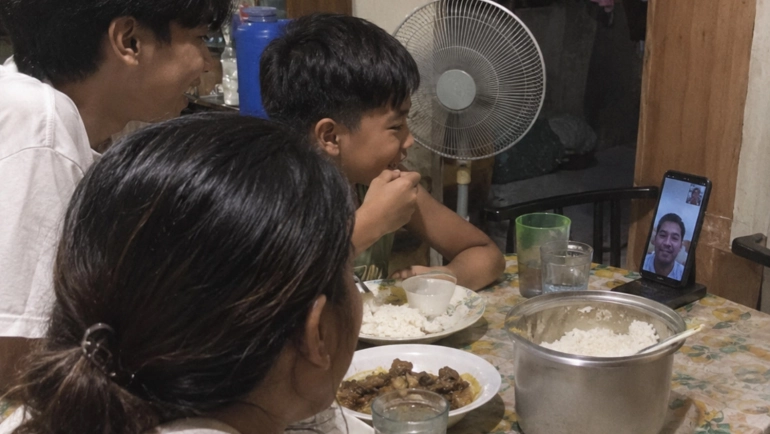
Remittances help sustain household spending and the country’s foreign currency supply, but they cannot address all economic pressures.
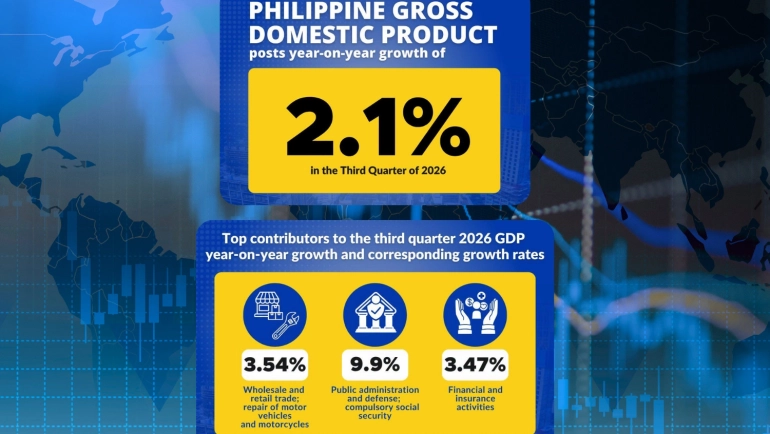
Growth stayed weak despite higher exports, government spending, and service sector activity.
High living costs, weak infrastructure spending, and elevated interest rates will continue to suppress Philippine household spending and investment.
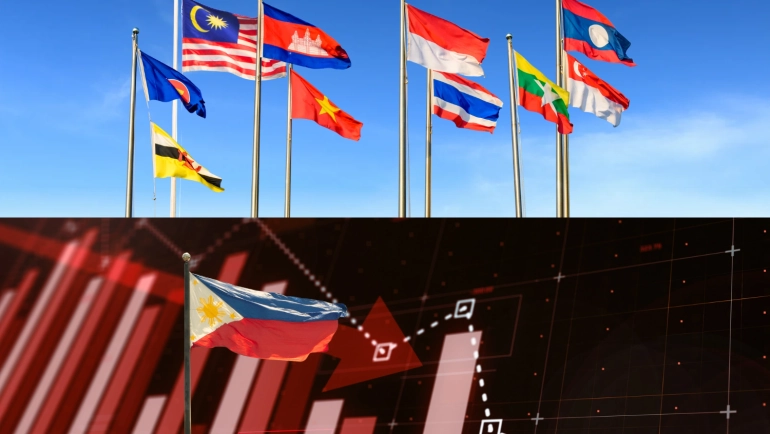
Peso’s record lows and slowing GDP fuel concerns over economic health.
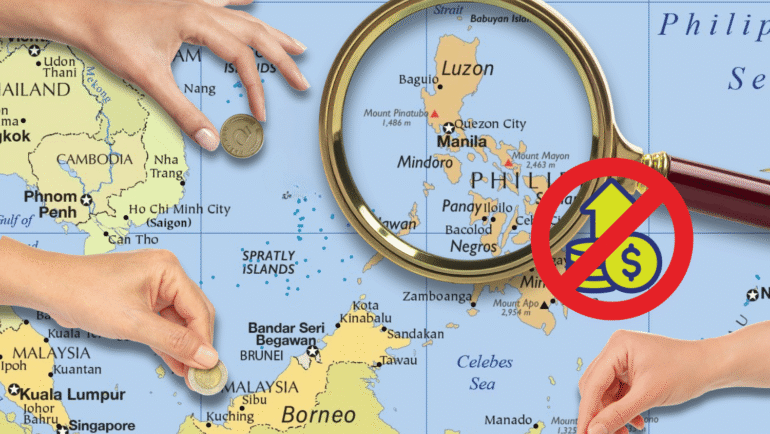
The country has opened more doors to foreign capital, but weak FDI suggests the bigger challenge may be keeping investors here and turning their money into jobs and business opportunities.
The central bank says the Philippines needs to save more, but household budgets leave many Filipinos with little money to set aside.
Weak Q1 expansion of only 2.8% forces government to lower full year target, with officials banking on stronger infrastructure spending and easing inflation to lift growth in the second half.
An economist urges the public to seek a more balanced discussion of the country’s economic condition.
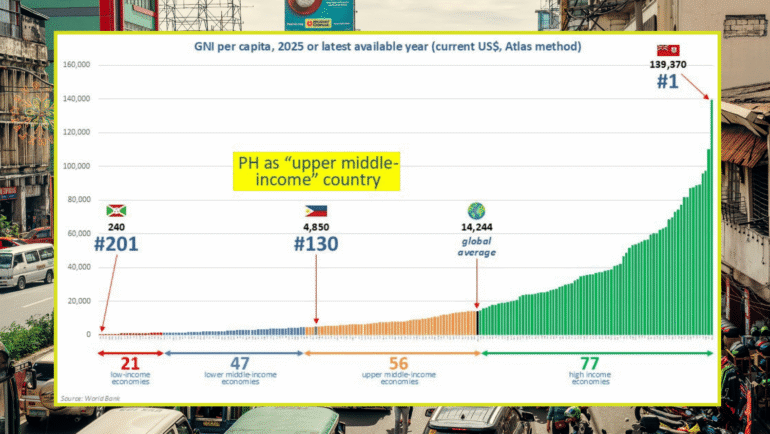
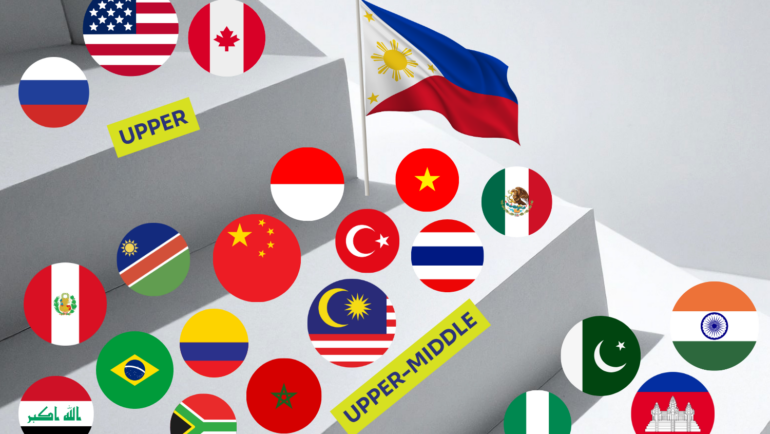
World Bank classification places the country in a broad mix of upper-middle income nations across Asia, Latin America, Africa and Europe.
Megaworld adds township-led office projects in Bulacan, Bacolod, and Davao.