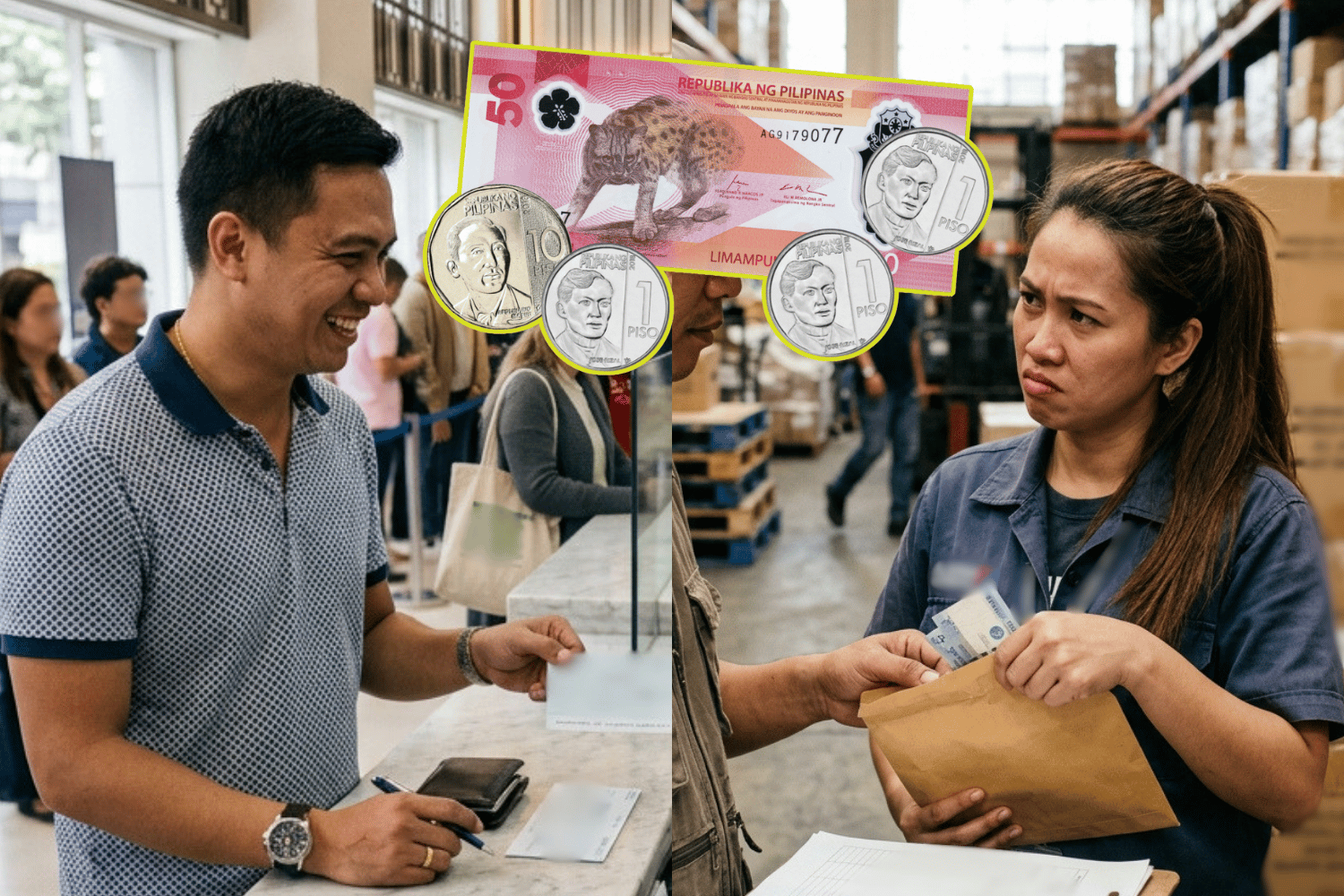
It depends on whether a business earns or spends in foreign currency.
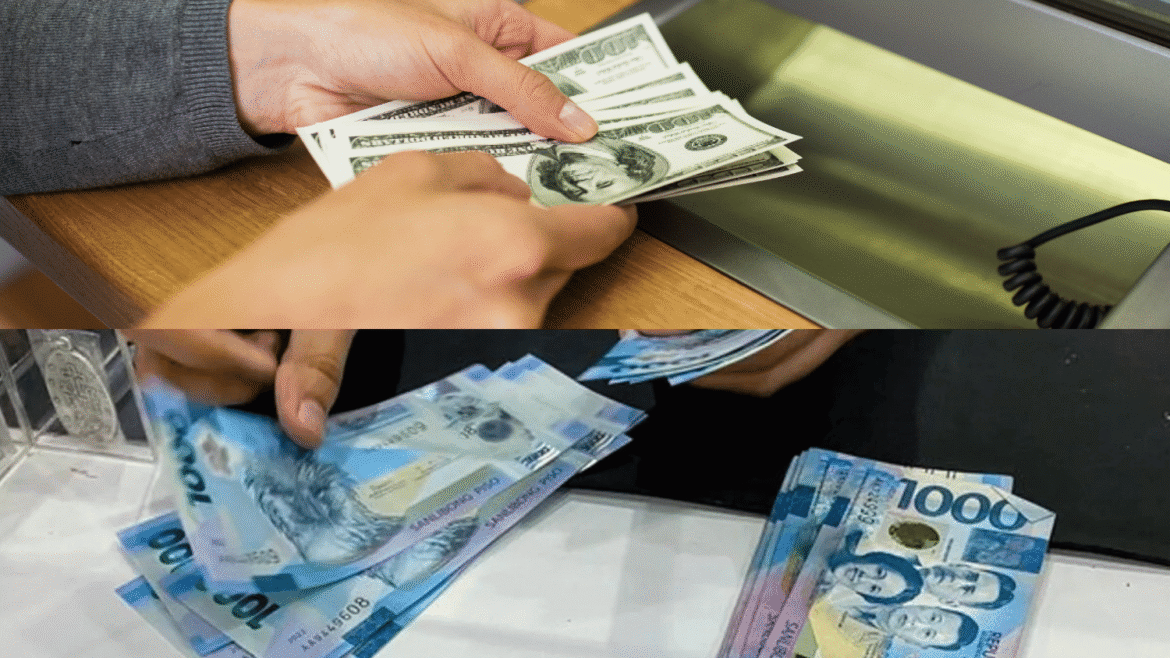
The Philippine peso recently fell to a record low of ₱62.68 against the US dollar, putting the exchange rate close to the ₱63 mark.
For consumers and businesses that rely heavily on imports, that is unwelcome news. Every dollar costs more pesos, raising the cost of imported fuel, machinery, raw materials, technology and other goods.
But a weaker peso also creates winners.
Exporters, for instance, can receive more pesos when they convert their dollar earnings. A Philippine furniture maker selling overseas and paying most of its workers and other expenses locally could see its peso revenues increase without a similar increase in costs.
The same dynamic can work in the business-process outsourcing industry, where companies earn much of their revenue from foreign clients but pay a large portion of their expenses in pesos.
Overseas Filipino workers and their families also get more pesos for every dollar sent home. The Philippines received a record $35.63 billion in remittances in 2025, making the exchange rate an important factor in the peso value of money flowing into households.
Tourism can benefit, too. Foreign visitors carrying dollars and other currencies may find Philippine hotels, restaurants, transport and shopping relatively cheaper when converted into their own money.
The catch is that these benefits depend heavily on how much a business earns in dollars and how much it spends in dollars.
An exporter importing most of its raw materials, for example, will see some of its exchange-rate advantage eaten up by higher costs. A retailer importing merchandise faces the same problem.
The Philippines is particularly exposed because it imports large amounts of fuel, machinery, electronics, raw materials and other goods. When the peso weakens, those costs can eventually reach consumers through higher prices.
So ₱63 per dollar is neither automatically good nor bad for business.
It depends on which side of the exchange rate a company sits on.
The longer-term opportunity is to have more Philippine businesses earning from global markets while relying more on local skills, suppliers and production. That way, more of the benefit from every dollar earned can stay in the local economy.
READ: