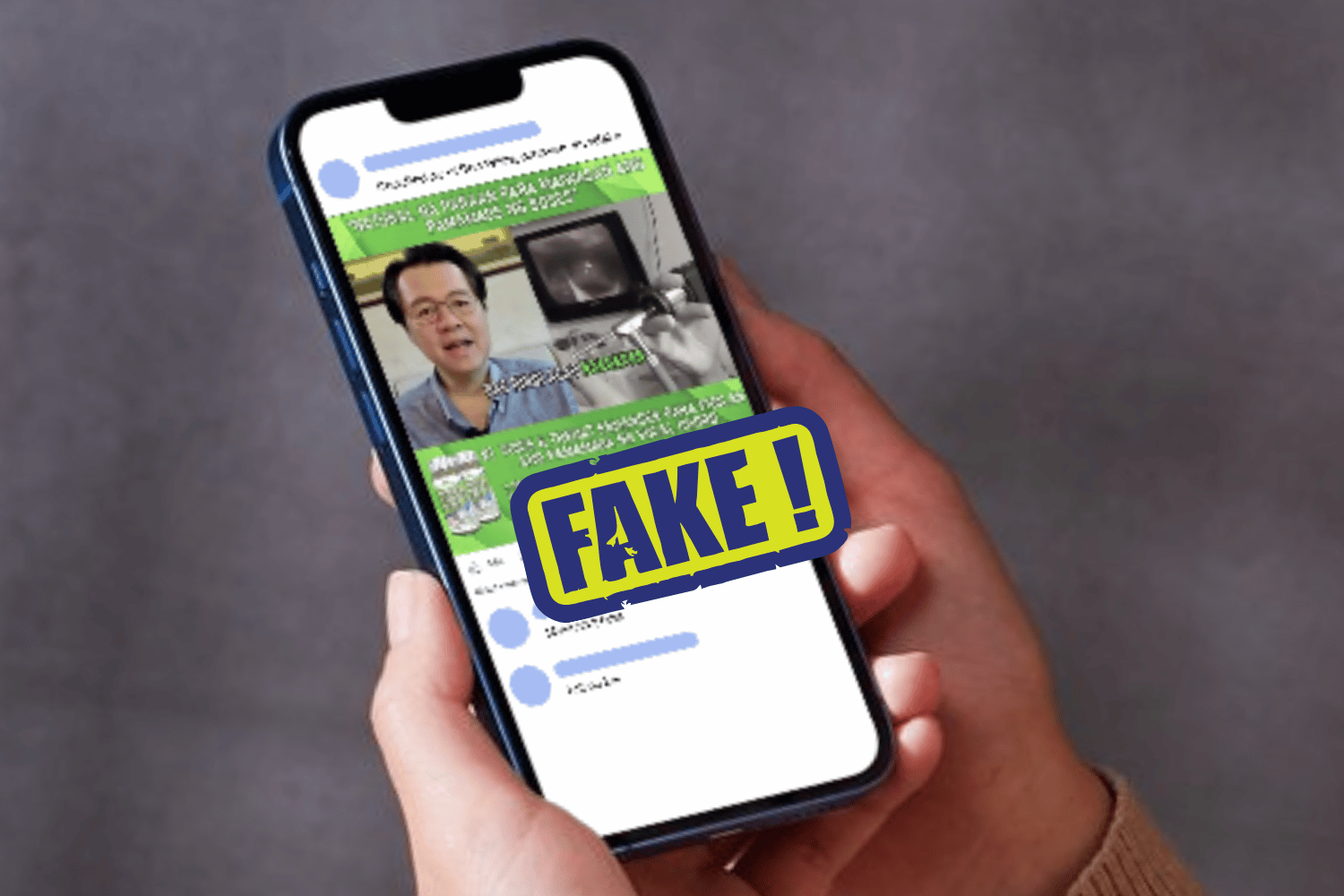
Stolen celebrity images and bogus endorsements expose the challenges of policing online advertising in the Philippines.
A trusted face can sell almost anything online. That is precisely what makes fake influencer advertising so dangerous for consumers and legitimate businesses alike.
A doctor, celebrity or influencer can give a product instant credibility, turning a social media post into a sales pitch that can reach thousands of potential buyers. But when that face was never actually hired to endorse the product, the deception can be difficult to spot until someone has already spent money.
In a LinkedIn post on Aug. 19, operations and e-commerce specialist Sean Legaspi pointed to a troubling example. He recalled how the images of doctors Willie Ong and Tony Leachon were used without their permission to promote unregistered health products online, with the ads reportedly resurfacing even after complaints were filed.
The cases show how difficult it can be to police advertising once it moves into the fast-moving world of social media.
The Philippines already has rules governing advertising and consumer protection. Influencer marketing is subject to disclosure requirements, while medicines, supplements and other health products fall under the Food and Drug Administration’s regulatory authority.
Yet a single online ad can cross several regulatory lines at once. It may involve deceptive advertising, an unregistered product, unauthorized use of a person’s identity and other possible violations. Different agencies may therefore have jurisdiction over different parts of the same post, while the consumer sees only one advertisement on a screen.
That creates a practical enforcement challenge because fraudulent ads can be reproduced almost instantly. An advertisement can disappear after being reported and return under another account. A fake page can be recreated, while the same stolen photograph can be used to sell another product. The people behind the scam can keep changing accounts while the agencies and victims have to keep chasing them.
That makes stronger regulation of influencer advertising worth examining.
Holding bad actors accountable
DTI’s proposed rules earlier this year that could have required permits for advertisements drew opposition, including from Sen. Bam Aquino, who warned about the burden on businesses and the implications of requiring government approval before ads are published.
Under the draft, businesses would have needed to apply for an advertising permit at least 30 working days before releasing advertisements, including digital ads and sponsored posts. DTI later clarified that the measure was only an internal draft, did not reflect its current policy direction and would not be finalized or enforced.
There is a legitimate business concern here. Requiring every legitimate company, creator and small online seller to secure government approval before publishing an advertisement could add cost and bureaucracy to digital marketing, an increasingly important sales channel for businesses that may not have the resources of large advertisers.
At the same time, relying mainly on complaints and takedowns leaves consumers exposed during the period between an ad going live and authorities acting on it. By then, money may already have changed hands and the seller may already have moved to another account.
A more targeted approach could focus regulatory resources on the advertising categories with the greatest potential for consumer harm, particularly health products, while giving agencies clearer procedures for sharing complaints and pursuing repeat offenders. Social media platforms also have a role to play, particularly when the same fraudulent material keeps returning under different accounts.
Consumers, meanwhile, need a clearer way to establish whether the person endorsing a product actually endorsed it, whether the product is properly registered and who is ultimately selling it.
Influencer advertising has become part of the country’s digital commerce economy, which means consumer protection cannot stop at the point where an advertisement is published.
The real test is whether the system can identify the people behind deceptive campaigns, hold them accountable and prevent the same scam from simply appearing again under a new name.
A trusted face should never become a free pass to sell a questionable product. When a fake endorsement reaches consumers, the people behind it — and the platforms that allow it to keep circulating—should be made accountable.
READ:
AI voice scams are getting more convincing—and harder to spot
Dane Rubite
July 18, 2026
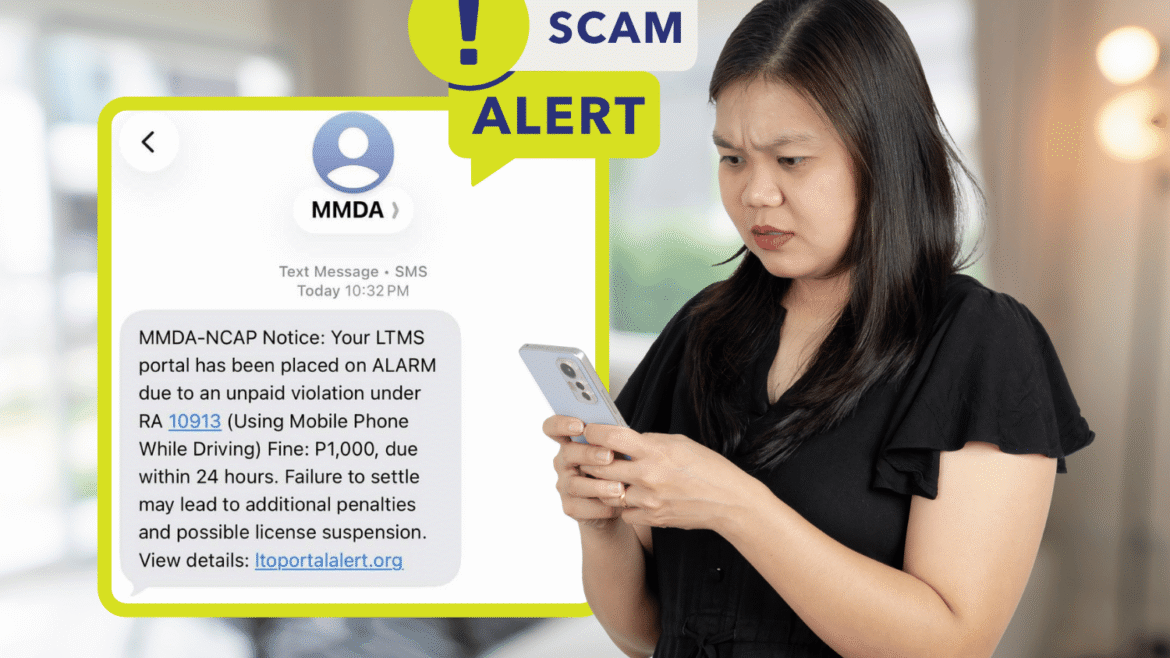
New scam alert as fake NCAP traffic notices spread via SMS
Vince Santos
August 13, 2026
Filipino Facebook groups begin disabling nicknames over harassment, inappropriate posts, scams
Kiara Gorrospe
August 12, 2026