The iconic Quezon City music venue nurtured legendary bands before original Filipino rock conquered the mainstream.
Before the Eraserheads, Rivermaya, Parokya ni Edgar, Wolfgang, and Razorback became OPM legends, they were part of an underground music scene where young Filipino musicians struggled to get their original songs heard.
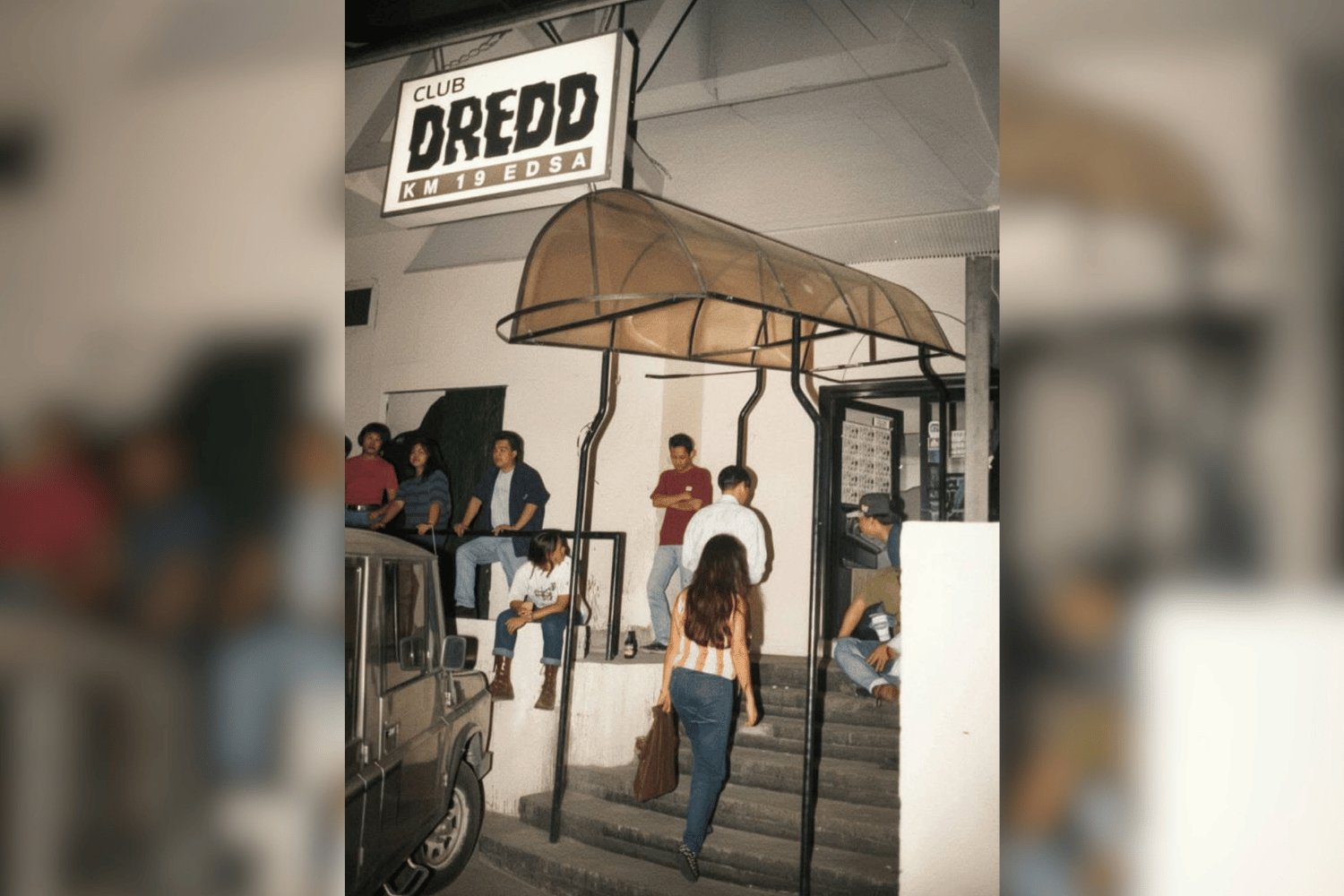
At the heart of that movement was Club Dredd, a small, smoky rock bar in Quezon City that helped transform Philippine music in the 1990s.
Where it all began
Club Dredd opened on December 8, 1990, the 10th anniversary of John Lennon’s death, along Scout Tobias Street in Quezon City.
Founded by Patrick Reidenbach and Robbie Sunico, it became a sanctuary for musicians who wanted to perform original compositions rather than the foreign covers commonly heard in bars.
Financial difficulties and noise complaints forced its closure in February 1993. But in January 1994, Club Dredd reopened along EDSA in Cubao, beginning its most celebrated chapter.
The making of OPM Legends
The Eraserheads were among the bands that found an audience at Club Dredd before becoming one of the country’s most influential musical acts.
Rivermaya, whose early incarnation performed as Bazurak, also became part of its history.
Parokya ni Edgar, Wolfgang, Razorback, Teeth, and The Youth were among the other bands associated with the venue’s thriving alternative rock scene.
Club Dredd did not create these bands. It gave them something equally valuable: a stage to experiment, develop their sound, and build loyal followings before major record labels came calling.
The Golden Age of Pinoy Rock
The venue’s popularity coincided with the rise of alternative radio stations NU 107 and LA 105, which helped bring underground Filipino music to wider audiences.
Inside Club Dredd, there were no elaborate productions or celebrity privileges. Musicians performed within arm’s reach of audiences, surrounded by cigarette smoke, beer, and deafening guitar riffs.
It became a gathering place for rockers, punks, metalheads, and young Filipinos searching for music that spoke to their generation.
By the late 1990s, alternative rock had conquered mainstream Philippine music. Bands once performing in small clubs were signing recording contracts and filling concert venues.
Ironically, the movement Club Dredd helped nurture had outgrown its original home.
Its historic Cubao location closed in June 1998, although the name would later be revived.
Today, the music of its most celebrated performers continues to reach new generations.
Club Dredd’s greatest legacy was never its building or its address. It was proving that Filipino musicians could create original music, find their own audiences, and eventually conquer the mainstream.
Before they filled arenas, many of Philippine rock’s biggest names found their audience in a small bar called Club Dredd.