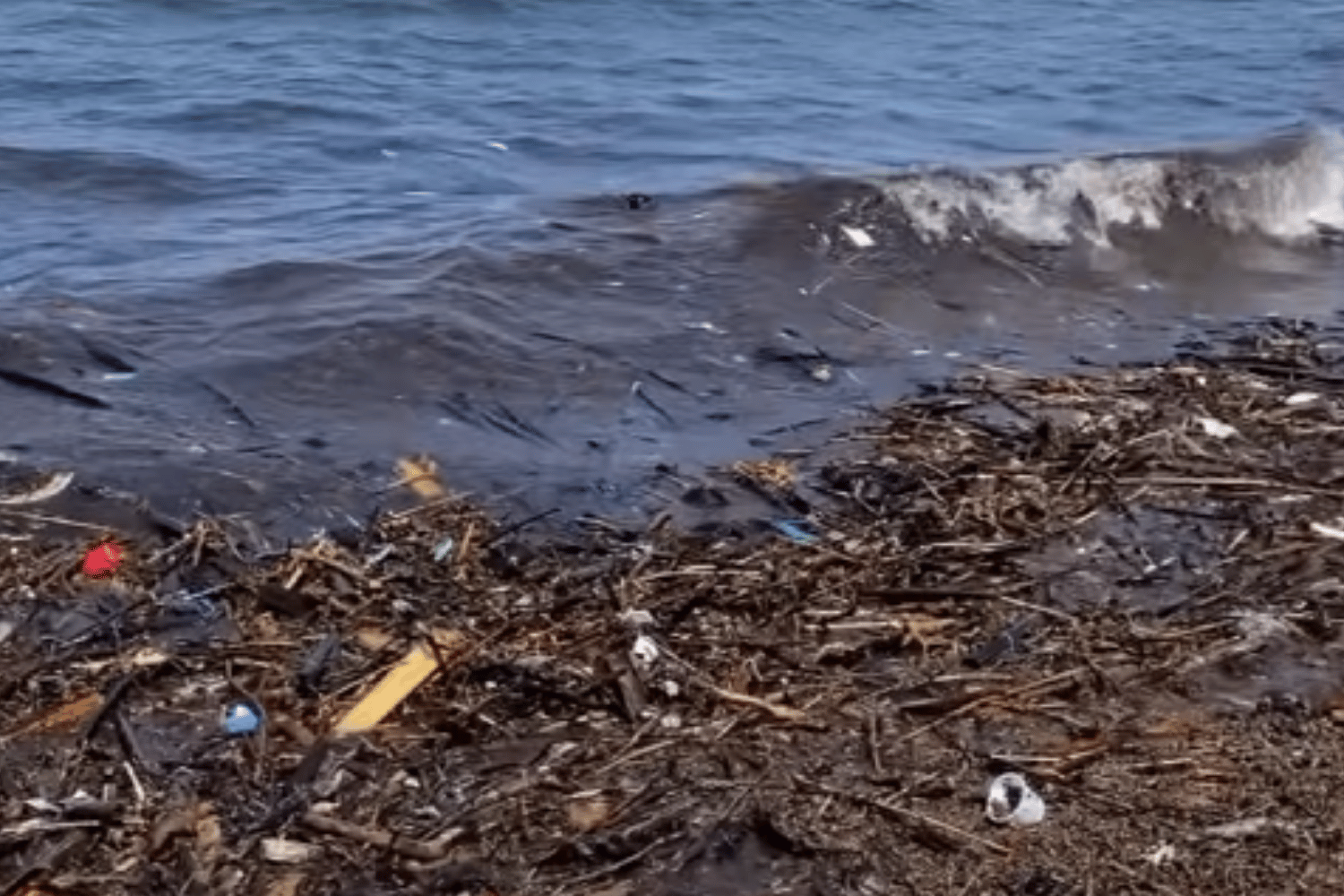
A 2025 synthesis by the World Bank estimated that the Philippines leaks around 0.3 million metric tons of plastic waste into the ocean annually.
Among the most common materials found in coastal waste are multilayered sachets, which are widely used in the country but are difficult to recycle because of their mixed plastic composition. A 2025 report by environmental organization Break Free From Plastic noted that these sachets account for 52% of residual plastic waste in the Philippines.
Because of their lightweight and durable structure, these plastic packets can travel through waterways and oceans, eventually becoming trapped among natural debris carried toward shorelines.
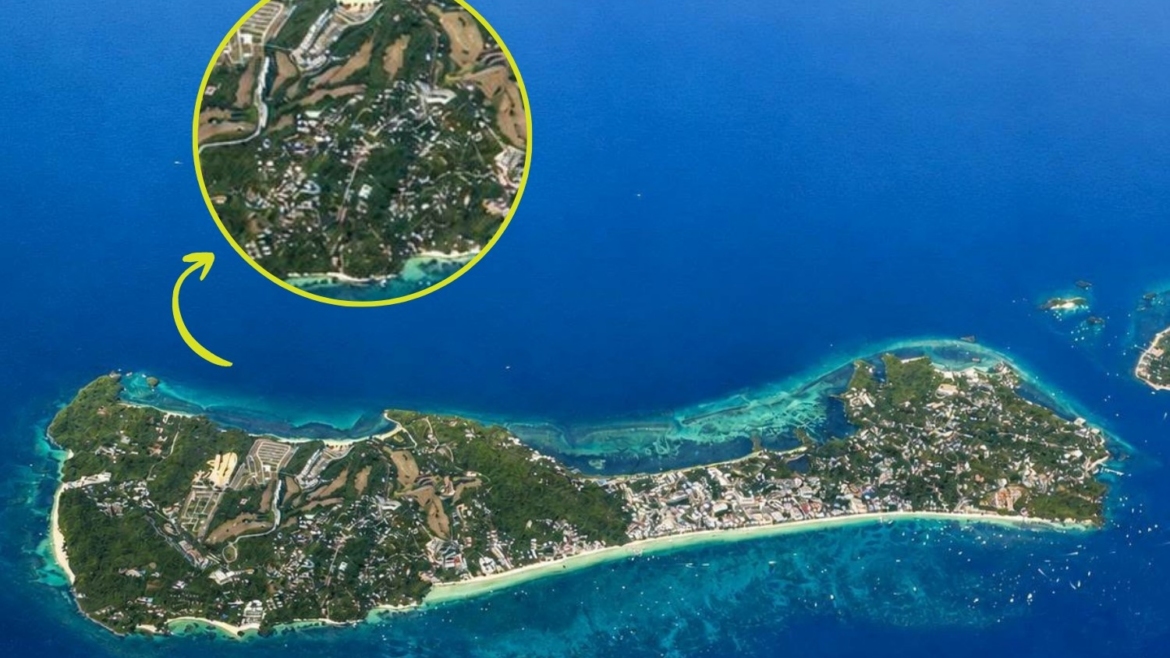
As part of Boracay’s 2018 environmental rehabilitation, the Department of Environment and Natural Resources—together with the local government of Malay, Aklan—implemented measures including Municipal Ordinance No. 386, which bans single-use plastics on the island.
However, the seasonal arrival of debris berms highlights the challenge of managing pollution in an archipelago where coastlines are connected by shared waters.
A 2025 atmospheric study by the Manila Observatory found that tropical cyclones interacting with the southwest monsoon (habagat) contribute to intense rainfall variability and flooding in parts of the western Philippines.
This can flush debris from land-based sources and waterways into the marine environment, where currents can eventually carry them toward other coastal areas.
When these ocean currents bring unrecyclable multilayered sachets onto the island’s shores, local facilities cannot process them. Consequently, the physical and financial burden of extracting this synthetic waste from the sand falls entirely on the island’s municipal government and tourism sector.
To help address this systemic burden, the Extended Producer Responsibility Act of 2022 requires large manufacturing corporations to take responsibility for recovering and managing their plastic packaging waste.
The policy aims to reduce the amount of plastic that enters waterways in the first place. But environmental groups and experts have emphasized that national legislation must be paired with synchronized regional waste management.
An island’s strict local ordinances can only be effective if surrounding communities connected by the same waters also strengthen their waste management efforts.
Ultimately, ocean currents should not be seen as channels that carry waste from one place to another, but as shared ecological boundaries that require collective protection.
READ: