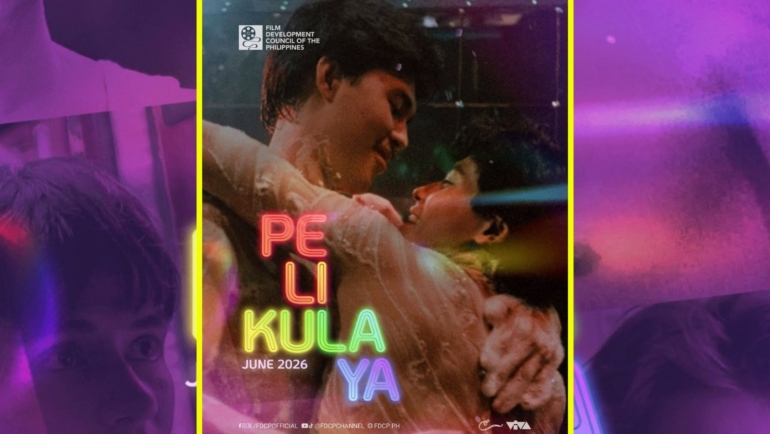
Actors line up, scripts in hand, as casting calls test talent, identity, and the growing demand for authentic representation onscreen today.
The auditions are over.
The creative team sits around a table covered with résumés, audition notes, and callback sheets. Everyone agrees on one thing: they wanted to cast the role authentically.
The character is queer. Or perhaps autistic. Maybe the story centers on an Indigenous community, a person with a disability, or a member of an ethnic minority whose experience is central to the narrative.
The production team made the effort. They reached out to organizations. Expanded the casting call. Encouraged applicants from the community being portrayed.
Then came the problem. Nobody showed up. Or if they did, none possessed the skills needed for the role. Now the room falls silent. What happens next?
It is an uncomfortable scenario, but one that many filmmakers, theater producers, and casting directors quietly face. And it raises a question that has become increasingly difficult to answer: When authentic casting and competence collide, which one should win?
The debate around authentic casting is often presented as if the answer is obvious. If a character belongs to a particular cultural, racial, neurological, or LGBTQ+ community, then the actor portraying them should belong to that same community.
In principle, that sounds fair. In many cases, it is. Authentic casting emerged as a response to decades of exclusion. Minority communities watched their stories told by outsiders, often reduced to stereotypes, caricatures, or inaccurate portrayals. Understandably, many advocates now argue that communities should be allowed to represent themselves.
There is tremendous value in that. Lived experience brings insights that no amount of research can fully replicate. The subtle gestures, the unspoken social rules, the private struggles, the cultural nuances—these are things that people carry with them every day. When performers draw from their own experiences, audiences often feel the difference.
Authentic casting can make stories richer, deeper, and more truthful. But filmmaking and theater are not only exercises in representation. They are also professions.
A lead role may require exceptional singing ability, years of dance training, mastery of multiple languages, or the charisma needed to hold an audience’s attention for two hours. Some productions involve difficult stunt work. Others demand emotional complexity that only seasoned performers can deliver.
This is where the dilemma begins. Should a role automatically go to someone who shares the character’s identity even if another actor delivers a significantly stronger audition?
Many creatives would argue no. Audiences ultimately judge what they see on stage or on screen. They do not evaluate the casting process. They evaluate the performance.
A weak portrayal does not become compelling simply because it is authentic. At the same time, authenticity cannot simply be dismissed in favor of whoever performs best at a single audition.
Doing so ignores decades of structural barriers that prevented many minority performers from receiving the same opportunities, training, and exposure as their peers.
This is why the conversation should not be framed as authenticity versus talent. That is a false choice.
The real question is why the industry continues to find itself in situations where there are too few trained performers from certain communities to begin with.
If producers consistently struggle to find qualified actors from a particular minority group, perhaps the problem is not the casting decision. Perhaps the problem is the pipeline.
Where are the workshops? The scholarships? The mentorship programs? The outreach efforts that encourage aspiring artists from these communities to pursue the craft professionally?
Authentic casting should be an aspiration. Excellence should remain the standard.
The goal is not to lower expectations to achieve representation. Nor is it to abandon representation in pursuit of technical perfection.
The goal is to build an industry where both can exist simultaneously.
Because no filmmaker should have to choose between authenticity and competence.
And no community should have to wait decades for enough opportunities to make that choice unnecessary.
READ:

From dreams to the big screen: 7 filmmakers win P5M each at Puregold CinePanalo
Marinel Cruz
October 25, 2025

16 Filipino queer short films you can watch online this Pride Month
Kieth Earl Rebaño
June 4, 2026
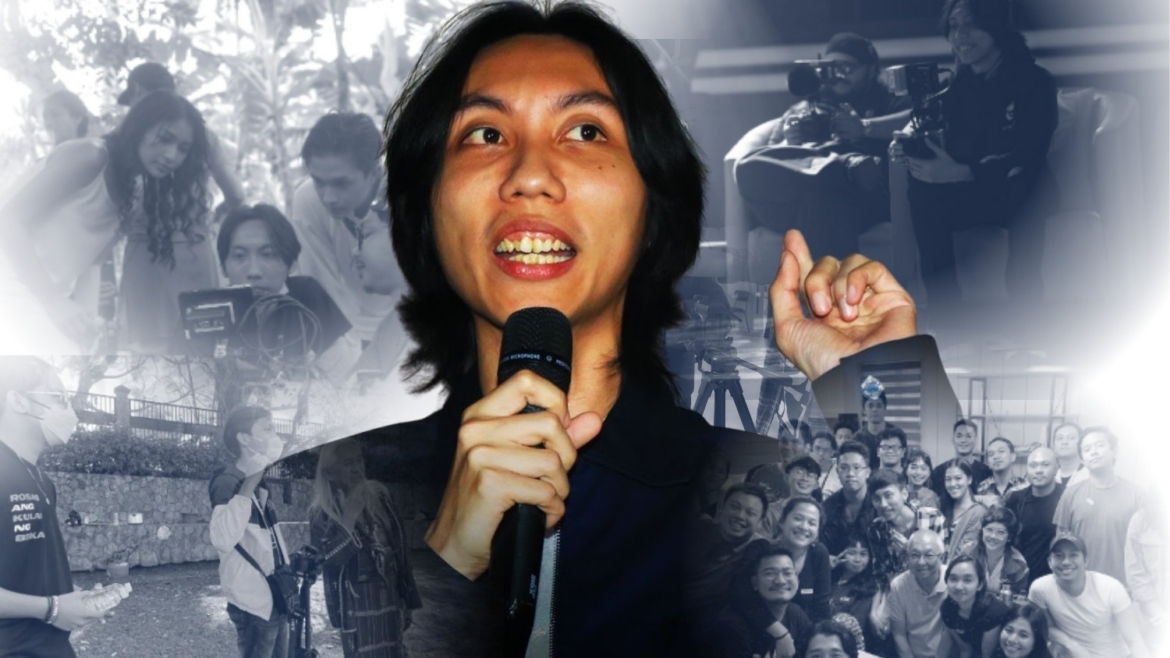
31 films by 31: Gian Arre on creating opportunities instead of waiting for them
Kieth Earl Rebaño
June 8, 2026