“Chinese schools have contributed to Philippine education for generations. Why question that now?” Chua wrote.
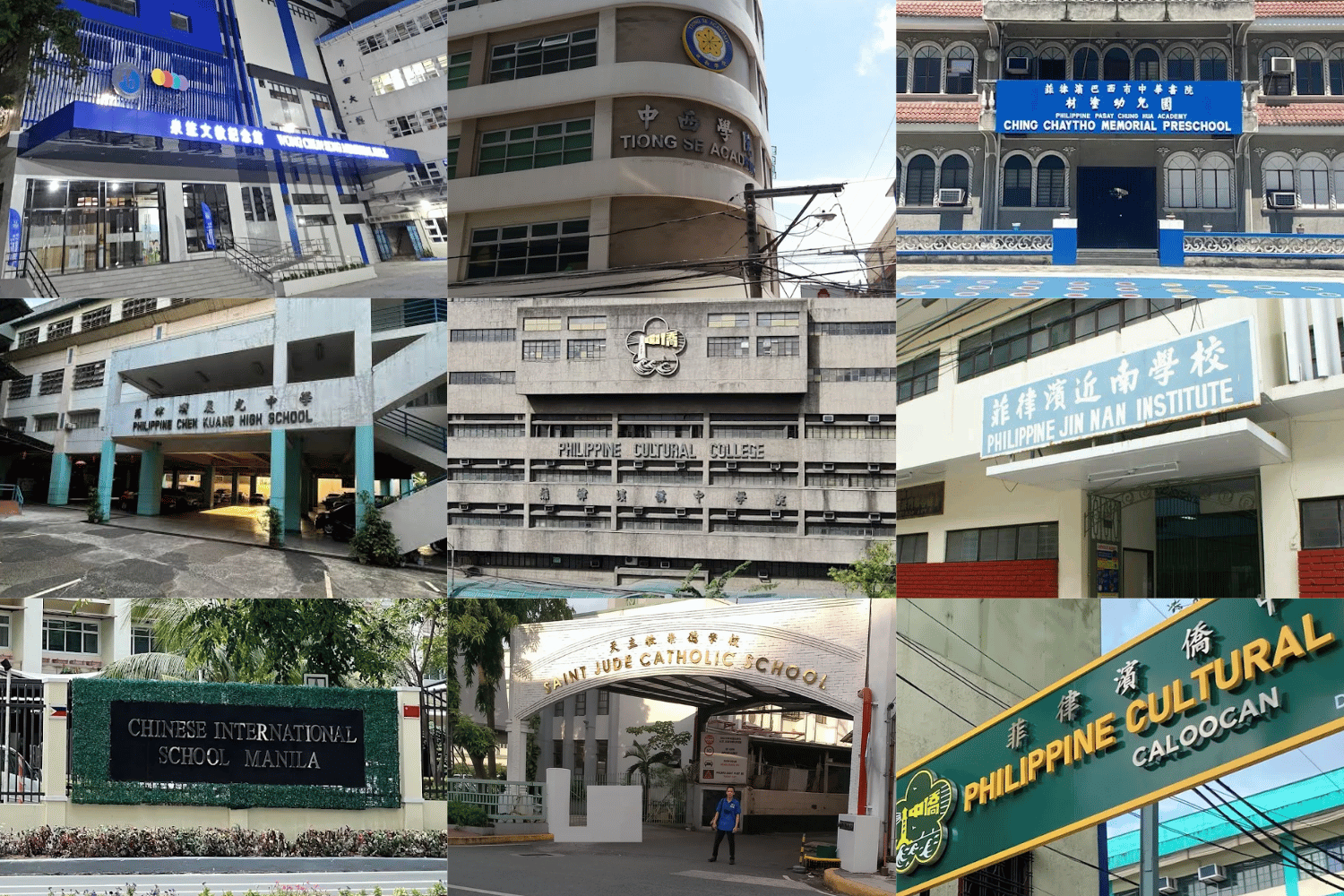
He cited institutions such as Xavier School, Immaculate Conception Academy, Saint Jude Catholic School, Philippine Cultural College and Chiang Kai Shek College, pointing to their students’ achievements in science, mathematics and international academic competitions.
For Chua, Chinese education in the country is also distinctly Filipino. Many students move between English, Filipino, Mandarin and Hokkien while growing up within Philippine society.
“A student studying Mandarin is still a Filipino student,” he wrote. “A Filipino family speaking Hokkien at home is still a Filipino family.”
Chua acknowledged that the Philippines has legitimate reasons to be vigilant about foreign interference, particularly amid geopolitical tensions. But he argued that investigations should target specific evidence of political influence, intelligence activity or institutional interference rather than cast suspicion on an entire community.
“If there are genuine concerns involving foreign governments, political influence, intelligence activities or institutional interference, then investigate them properly and present the evidence,” he said.
The post drew strong reactions from Chinoys who said Chinese schools primarily exist to preserve language, culture and Filipino-Chinese traditions.
One commenter agreed with Chua but stressed that allegiance remains a legitimate question, writing that Filipinos can be “Chinese by culture” while their loyalty must ultimately lie with the Philippines.
Another said learning Chinese opened business opportunities that eventually allowed him to create jobs, while urging both Chinoys and other Filipinos not to allow politics to divide communities.
Others were more alarmed by the rhetoric surrounding Chinese institutions, warning that legitimate national-security concerns should not turn into generalized hostility toward ethnic Chinese Filipinos.
Chua also questioned why Chinese cultural connections are scrutinized differently from long-standing American influence in Philippine education, business and government.
His central argument was simple: cultural heritage should not automatically be confused with political allegiance.
“We can be Filipino and Chinese at the same time,” he wrote. “We have been doing it for generations.”
He ended the post with an assertion of where the Tsinoy community belongs.
“Here.”
READ: