Her portraits reveal a long, documented history of gender-nonconforming Filipinos.
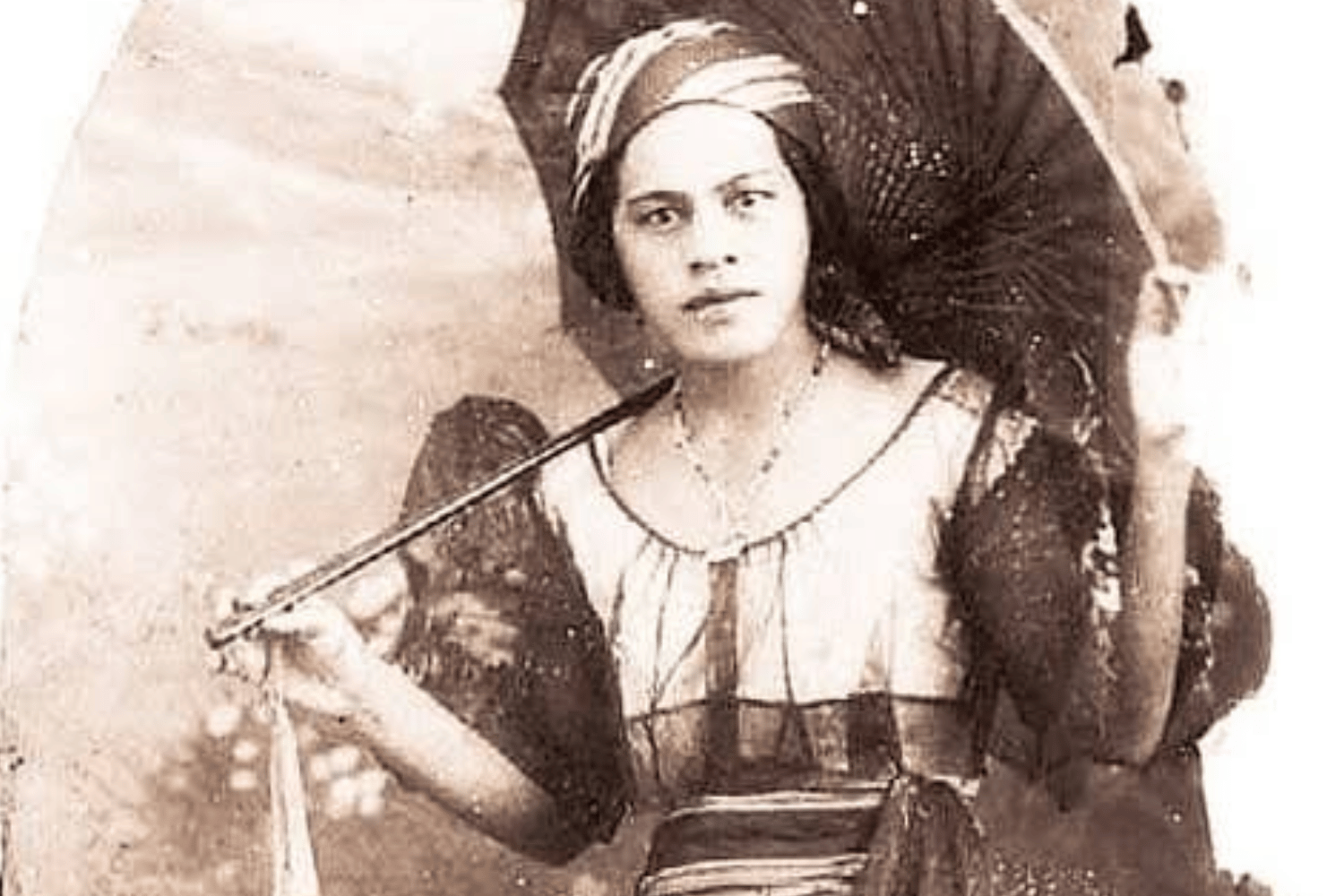
A century before Pride marches, drag competitions and LGBTQIA+ visibility became part of mainstream Filipino culture, Crispulo Trinidad Luna was already posing confidently before a camera in dresses, traditional Filipino clothes and other feminine ensembles.
Known as Pulong and later affectionately as “Lola Pulonia,” Luna left behind an extraordinary photographic record of queer self-expression in the Philippines during the 1920s.
Born on June 10, 1903, in Sasmuan, Pampanga, Luna spent part of her childhood in Orani, Bataan, before her family eventually settled in Paco, Manila.
Accounts from her family describe someone who understood her femininity early in life. Luna reportedly described herself as having a “pusong babae,” or a woman’s heart.
Perhaps even more remarkable was how her family responded.
Rather than forcing her to hide her identity, relatives reportedly accepted her. When family members once offered to find her a wife, Luna delivered a response that would sound defiant even generations later:
“Pero por Dios, babae ako!”
But Luna did more than say who she was. She documented it.
She became a regular at Victoria Studios in Manila, sitting for elaborate studio portraits while wearing feminine clothing. Surviving photographs show her in different looks, from the baro’t saya to outfits inspired by Japanese dress.
At a time when having a photograph taken was a deliberate occasion, these portraits became something powerful: a visual record of how Luna chose to present herself to the world.
Her story also included love.
Luna reportedly lived with Juan, a master carpenter five years younger than her. Their relationship was known to their families and accepted by them. Juan later died during the Japanese occupation after an accidental fall from scaffolding.
Luna never remarried. She spent her later years living with siblings and earning a living through laundry work and helping in a store.
As she grew older, younger gay beauticians in her neighborhood reportedly embraced her as one of their own, affectionately calling her “Lola Pulonia.”
Luna died in 1976, decades before terms such as LGBTQIA+, transgender and gender-fluid entered everyday Filipino vocabulary.
Her story would later gain wider attention through the scholarship of queer writer and academic J. Neil Garcia, whose 2003 book “Performing the Self: Occasional Prose” featured Luna’s photograph on its cover.
Today, Luna’s surviving portraits complicate the idea that openly gender-nonconforming Filipinos are something new.
More than 100 years ago, there was already Pulong—dressing as she wished, posing for the camera, loving another man and declaring in words that still feel strikingly modern:
“Pero por Dios, babae ako!”
READ: