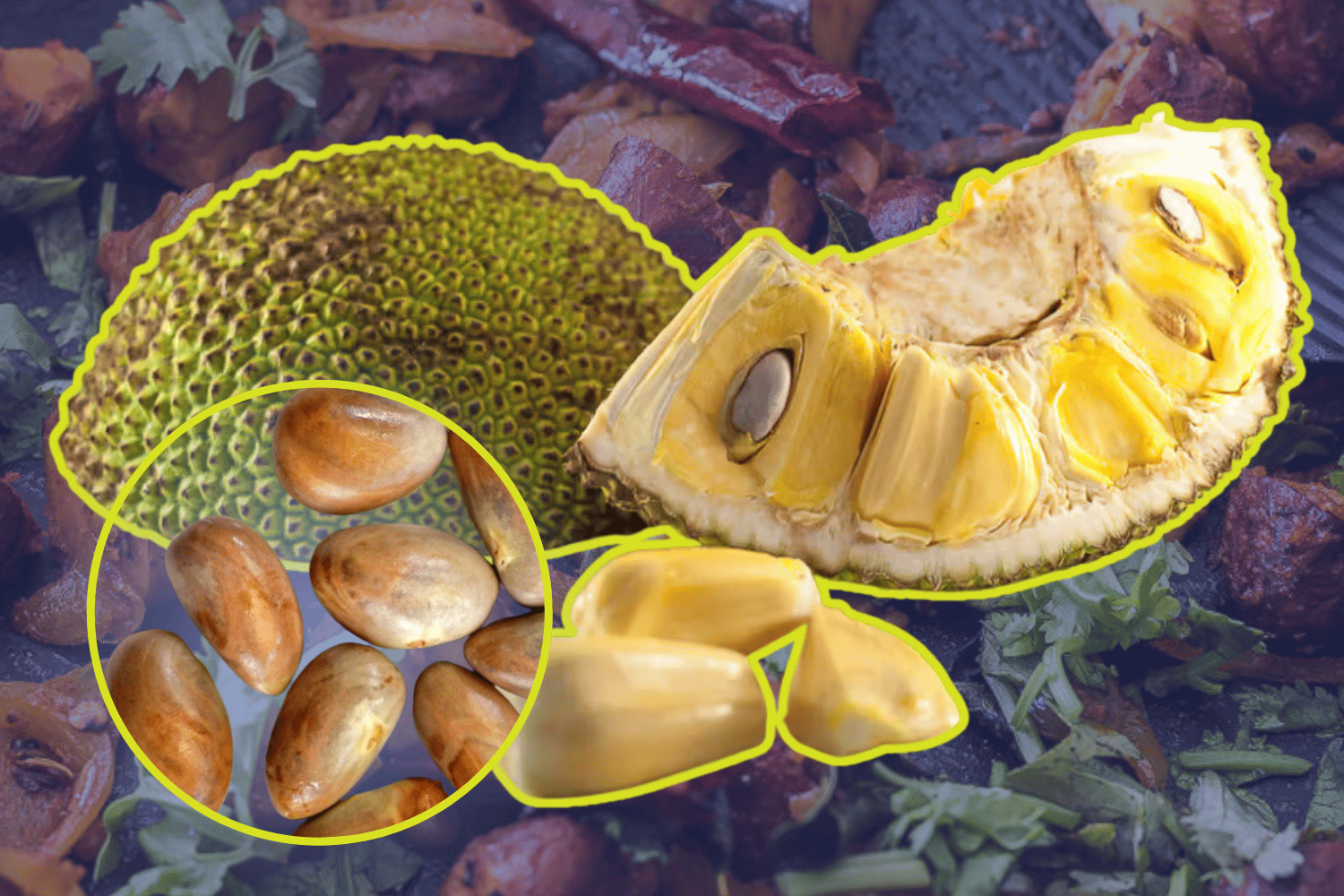
These seeds provide essential proteins, resistant starch, and gut health benefits when cooked safely.
The next time you slice open a ripe langka, it’s almost automatic. The sweet yellow flesh goes straight into your mouth, while the pile of smooth brown langka seeds heads straight for the trash.
That may be the biggest nutritional mistake you’re making.
Often overlooked, langka seeds are packed with protein, fiber, resistant starch, vitamins, and minerals. While they don’t get the same attention as the fruit’s sweet bulbs, nutrition experts say the seeds are surprisingly nutritious and deserve a place on your plate—not in your garbage bin.
More than just a seed
Gram for gram, langka seeds contain significantly more protein, dietary fiber, and complex carbohydrates than the fruit’s flesh. A 100-gram serving of cooked langka seeds provides about 5 to 7 grams of protein, plenty of resistant starch, and important nutrients such as thiamine (Vitamin B1), riboflavin (Vitamin B2), magnesium, potassium, and iron.
They’re also naturally low in fat, making them a filling and nutritious snack.
Some social media posts have gone as far as calling langka seeds a “complete protein.” That’s only partly true.
The seeds do contain all nine essential amino acids, but they are relatively low in methionine and cysteine, two sulfur-containing amino acids. This means they’re best eaten together with grains, rice, or legumes to create a more balanced protein source rather than relying on them alone.
Good for your gut
One of the biggest nutritional advantages of langka seeds is their high resistant starch content.
Unlike ordinary starch, resistant starch isn’t immediately digested. Instead, it reaches the large intestine, where it serves as food for beneficial gut bacteria. This prebiotic effect supports digestive health and may also help improve blood sugar control and insulin sensitivity.
The seeds also contain dietary fiber, which helps promote regular bowel movements and supports overall gut health.
Heart-friendly benefits
Research also suggests langka seeds may contribute to better heart health.
Their combination of soluble fiber and naturally occurring antioxidants may help reduce LDL or “bad” cholesterol levels, lowering the risk of cardiovascular disease over time. Meanwhile, their potassium content supports healthy blood pressure by helping regulate fluid balance in the body.
Traditional remedy with scientific support
In many Asian communities, langka seeds have long been used in traditional medicine.
Modern studies have found that the seeds contain plant compounds with antimicrobial properties that can inhibit certain foodborne bacteria. Researchers continue to explore their potential health applications, although more human studies are still needed.
They’re also delicious
Once cooked, langka seeds develop a mild, nutty flavor often compared to roasted chestnuts.
They can be boiled, roasted, mashed into spreads, blended into hummus, or added to soups, stews, curries, and stir-fries. In many cultures, they’re considered a delicacy rather than a kitchen scrap.
Never eat them raw
There’s one important rule: never eat langka seeds raw.
Raw langka seeds contain natural compounds called tannins and trypsin inhibitors that interfere with protein digestion and mineral absorption. They may also cause stomach discomfort.
To prepare them safely, boil the seeds in salted water for 20 to 30 minutes until tender. Once cooked, peel off the thin white outer skin before eating. You can enjoy them as a snack or add them to soups, stews, and other dishes.
The next time you enjoy a juicy langka, think twice before tossing its seeds into the garbage. The fruit may be famous for its sweet flesh, but its humble seeds could be one of the most nutritious parts you’ve been throwing away all along.
READ:
Six reasons why the smelly durian is actually good for your health
Top Dagohoy
August 5, 2026
Have you ever heard of mararing?
Top Dagohoy
July 14, 2026
FACT CHECK: Malunggay seeds can remove up to 98.5% of microplastics from water
Top Dagohoy
August 3, 2026