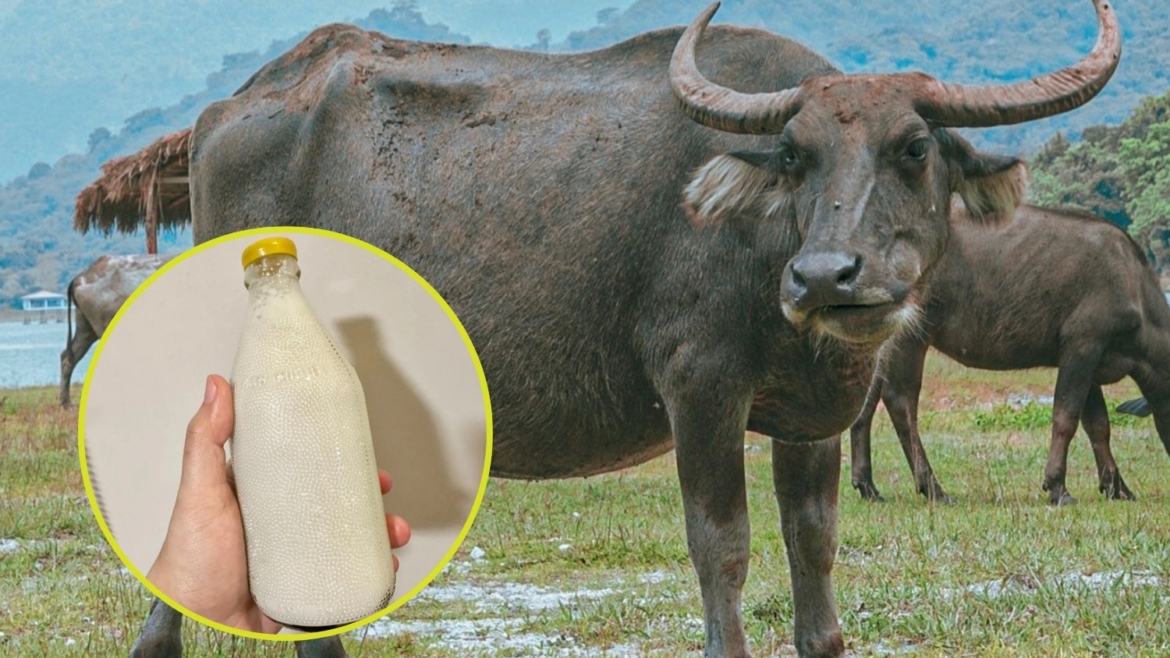
Efforts to protect the endangered tamaraw continue through dedicated monitoring and community collaboration. Photo by Gregg Yan
Up 12% to 425 in the latest conservation count.
The tamaraw once had a population of more than 10,000. Endemic to Mindoro, the species saw a sharp decline at the start of the 20th century, pushing it to critically endangered status.
Human activities have since placed sustained pressure on the population, bringing it down to its current level. In 1930, a rinderpest epidemic brought on by non-native cattle reduced numbers by thousands. Hunting and poaching further contributed to their decline, along with habitat loss caused by urban development.
Today, the dwarf wild buffalo’s wavering population shows renewed signs of recovery as numbers rise from 380 to 425.
The Department of Environment and Natural Resources (DENR)-MIMAROPA, together with the Tamaraw Conservation Program Office (TCPO), confirmed a 12-percent increase in the tamaraw population compared to last year’s count.
DENR clarified that the census only recorded specimens from Iglit-Baco Natural Park, where long-term conservation efforts are concentrated. Separate initiatives continue in the Siburan–Aruyan–Dangari–Iyason–Kinarawan (SADIK) Critical Habitat and the Upper Amnay Watershed area, which means the overall population may be higher than recorded.
The census used an Intensive Concentration Count (ICC), a six-day observation watch where trained spotters are deployed in different locations simultaneously to avoid duplicate counts, later verified through cross-checking of notes from each station.
Structured through a 2018 workshop, DENR now follows a 10-year plan with specific guidelines on habitat restoration, monitoring, and tracking.
Improved communication efforts are being pursued with Indigenous communities that share the habitat. Any actions and strategies concerning Mount Iglit-Baco Natural Park are made transparent, and plans to make the Tau-Buid people co-managers of the park remain open.
The tamaraw’s recent gains point to the combined efforts of Indigenous communities, local stakeholders, and international partners, though a more stable recovery will only become clear after several more years of monitoring.