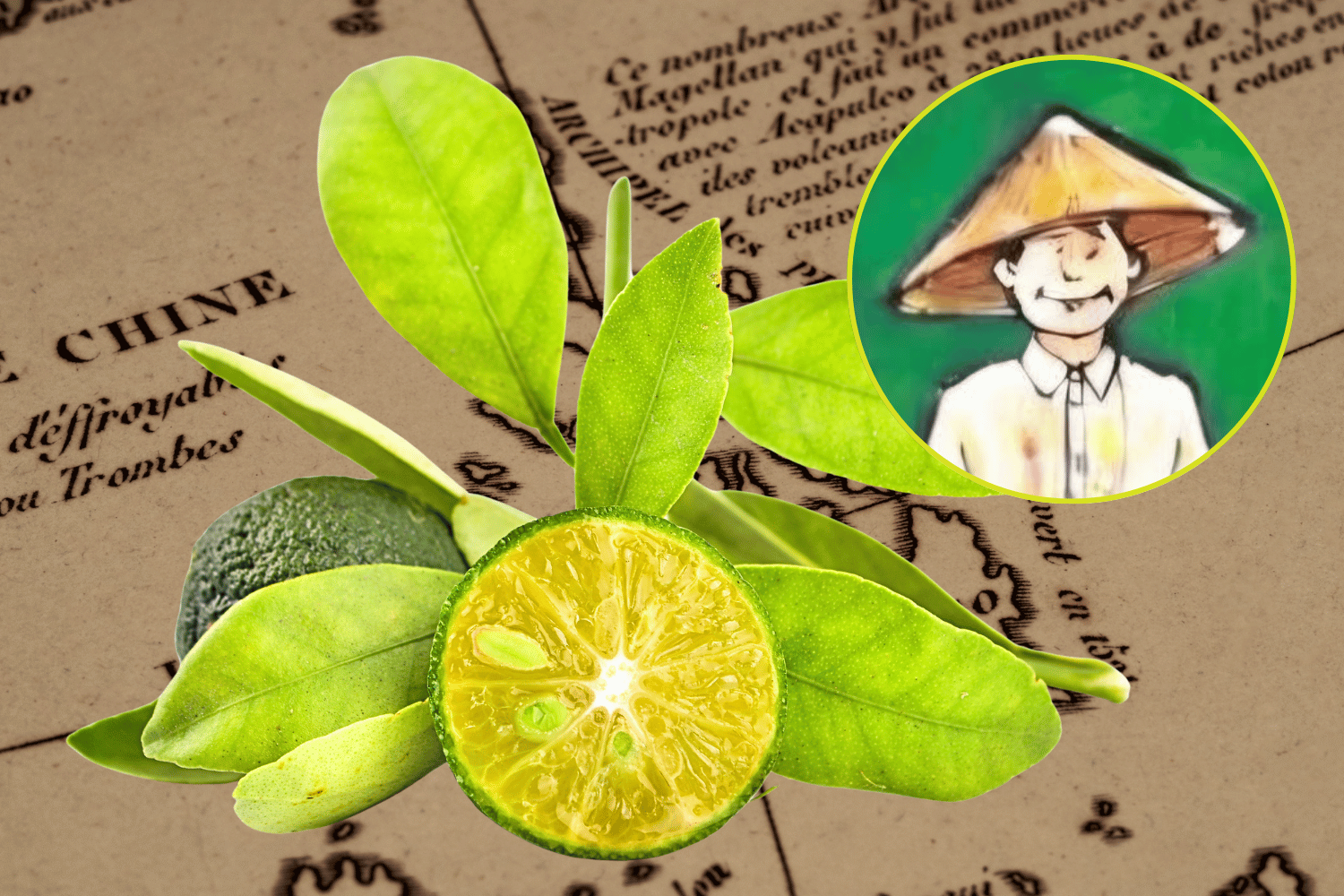
The Histolinarya Collective argues that the evidence points elsewhere.
For generations, Filipinos have squeezed calamansi over pancit, grilled seafood, and sizzling barbecue without giving much thought to where the tiny citrus fruit actually came from.
Now, a two-part historical investigation published on Facebook by The Histolinarya Collective, written by historian Roberto Villarcabral, is challenging one of the most repeated stories about the country’s favorite citrus: that calamansi was created in a Philippine laboratory during the American colonial period.
Instead, Villarcabral argues that the evidence points to a far older history—one in which calamansi already existed in the Philippines long before scientists began experimenting with citrus breeding in the 1920s.
“The calamansi had a way of finding me,” Villarcabral wrote. “Time and again, it surfaced unexpectedly in the course of my other research, as though refusing to be ignored.”
The research pieces together nineteenth-century botanical records, historical cookbooks, linguistic evidence, agricultural reports, and modern DNA studies into what Villarcabral describes as an evolving investigation rather than a final conclusion.
One of the strongest pieces of evidence comes from Spanish Augustinian priest and botanist Fray Manuel Blanco, who documented Citrus mitis in 1837. An illustration published decades later depicts what Filipinos would immediately recognize today as kalamunding, suggesting the fruit already existed nearly a century before the hybridization experiments often associated with modern calamansi.
Villarcabral also points to the 1905 Censo de las Islas Filipinas, which already identified Citrus mitis by the names “calamansi” and “calamunding,” years before government experiment stations began breeding citrus.
Another clue appears in a 1911 report from the Lamao Experiment Station in Bataan, which documented calamansi as an existing crop that produced heavier yields than dayap. Rather than introducing a new fruit, researchers appeared to be studying one that farmers were already cultivating.
Perhaps even more compelling is a 1918 cookbook, Condimentos Indígenas by Pura Villanueva de Kalaw, which preserved a traditional Bikolano dish called sinuwaan, named after the Bikol word suwâ, meaning calamansi.
“If the calamansi had only been recently created through laboratory hybridisation during the auspices of the Americans,” Villarcabral wrote, “it seems incredible that by 1918 it had already become sufficiently established in the Bicol region to lend its name to a traditional method of cooking.”
Rather than dismissing previous scholarship, Villarcabral revisits it from a different perspective. He acknowledges research showing that hybridization work began at the Tanauan Citrus Experiment Station in Batangas in 1928, where Citrus mitis was crossed with mandarin varieties.
His conclusion, however, is different.
“I began wondering whether the calamansi was not created in the laboratory, but rather refined there,” he wrote.
He added that the American-era experiments “may have demonstrated the fruit’s promise, leading researchers… to improve its desired qualities through controlled hybridisation,” instead of creating an entirely new fruit.
The second part of Villarcabral’s investigation widens the search even further.
Drawing on modern genomic research published in 2018, he notes that calamansi has now been confirmed to be a naturally occurring hybrid between a mandarin and an oval kumquat.
That discovery creates an intriguing puzzle.
Neither mandarins nor kumquats are native to the Philippines. Both trace their ancient origins to southern China, where they naturally grew alongside one another and could hybridize naturally through insect pollination.
Villarcabral theorizes that the hybrid likely emerged in southern China before being carried across Southeast Asia through centuries of maritime trade. Once introduced into the Philippines, the fruit flourished in the country’s tropical climate and became so deeply embedded in local life that communities across the archipelago developed their own names for it, including kalamunding, kalamansi, suwâ, sútil, símoyáw, kidyâ, laranghita, and lemonsito.
His research also revisits the English term “calamondin,” arguing that it was an American adaptation of the old Filipino word kalamunding after the fruit reached the United States following the American occupation of the Philippines. While “calamondin” gained international popularity, the preferred modern names today are calamansi or kalamansi, alongside the updated scientific name Citrus × microcarpa.
Looking at all the evidence together, Villarcabral said the picture has changed.
“Nineteenth-century botanical records, indigenous Philippine names, early culinary references, and modern genomic evidence all converge on a much older narrative,” he wrote.
He added, “I therefore find it increasingly difficult to conclude that calamansi was invented in a Philippine laboratory.”
Still, Villarcabral stresses that his investigation is not meant to close the debate but to encourage further study.
“As always, though, I remain open to new evidence,” he wrote. “For history is ultimately guided not by conviction, but by the weight of the sources.”
Whether future research ultimately confirms or revises his conclusions, Villarcabral’s work offers a fresh perspective on one of the Philippines’ most familiar fruits—suggesting that the story of calamansi may be far older, and far more fascinating, than previously believed.
READ:
Tequila, the iconic spirit from Mexico, wouldn’t exist without Filipino sailors
Rei Marquez
May 2, 2026
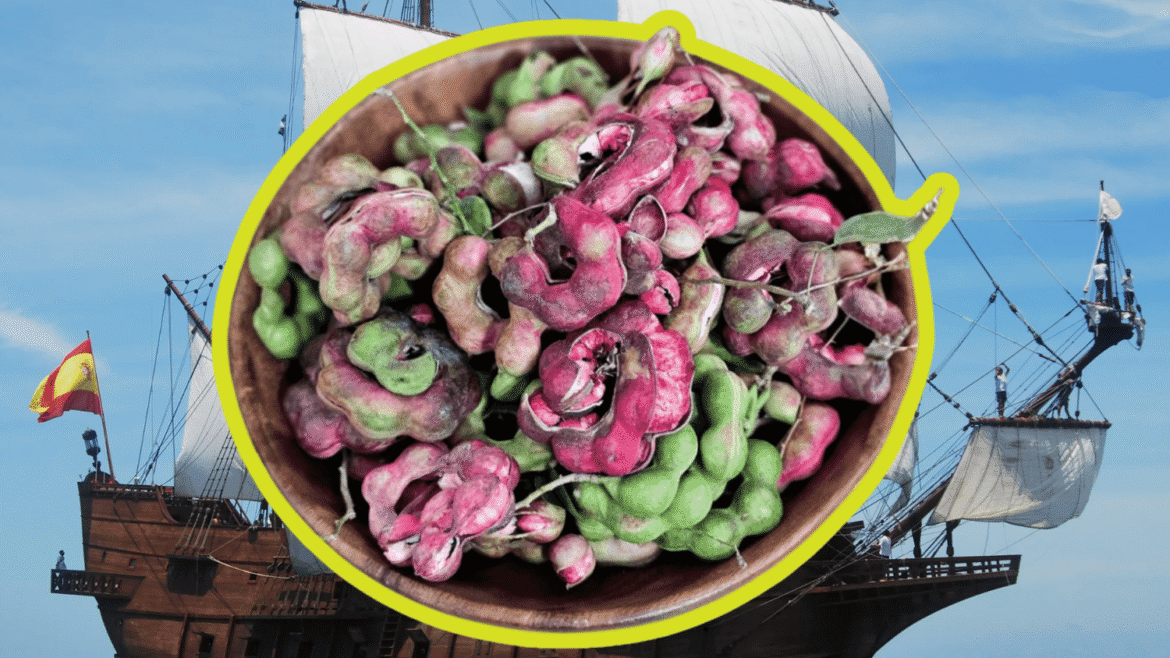
Our beloved camachile is a living souvenir of the Galleon Trade
Top Dagohoy
August 2, 2026
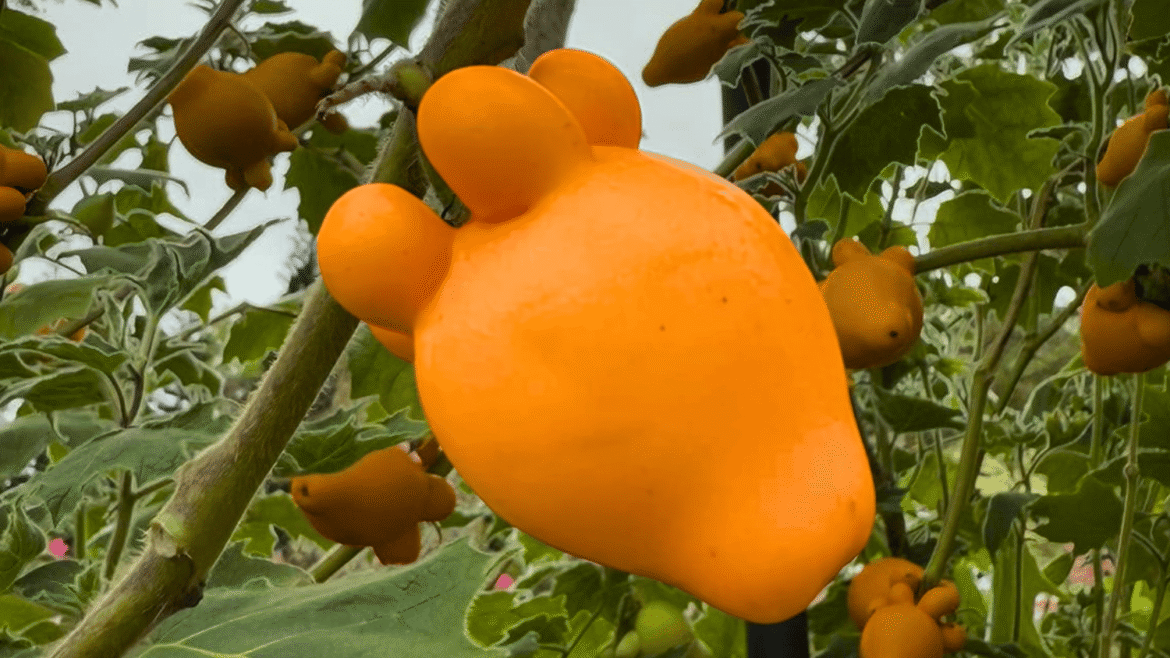
WARNING: You can admire utong, but you should never take a bite
Top Dagohoy
August 3, 2026