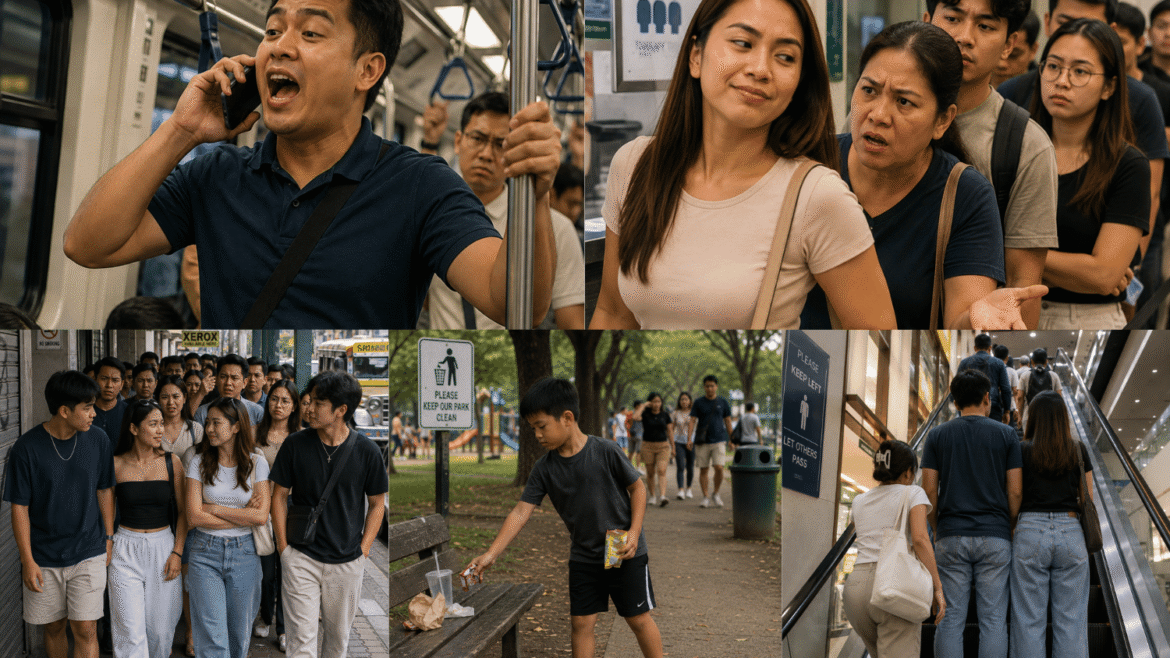
Stay to the right, keep your bags close, and stand one behind the other so others can freely pass the other side.
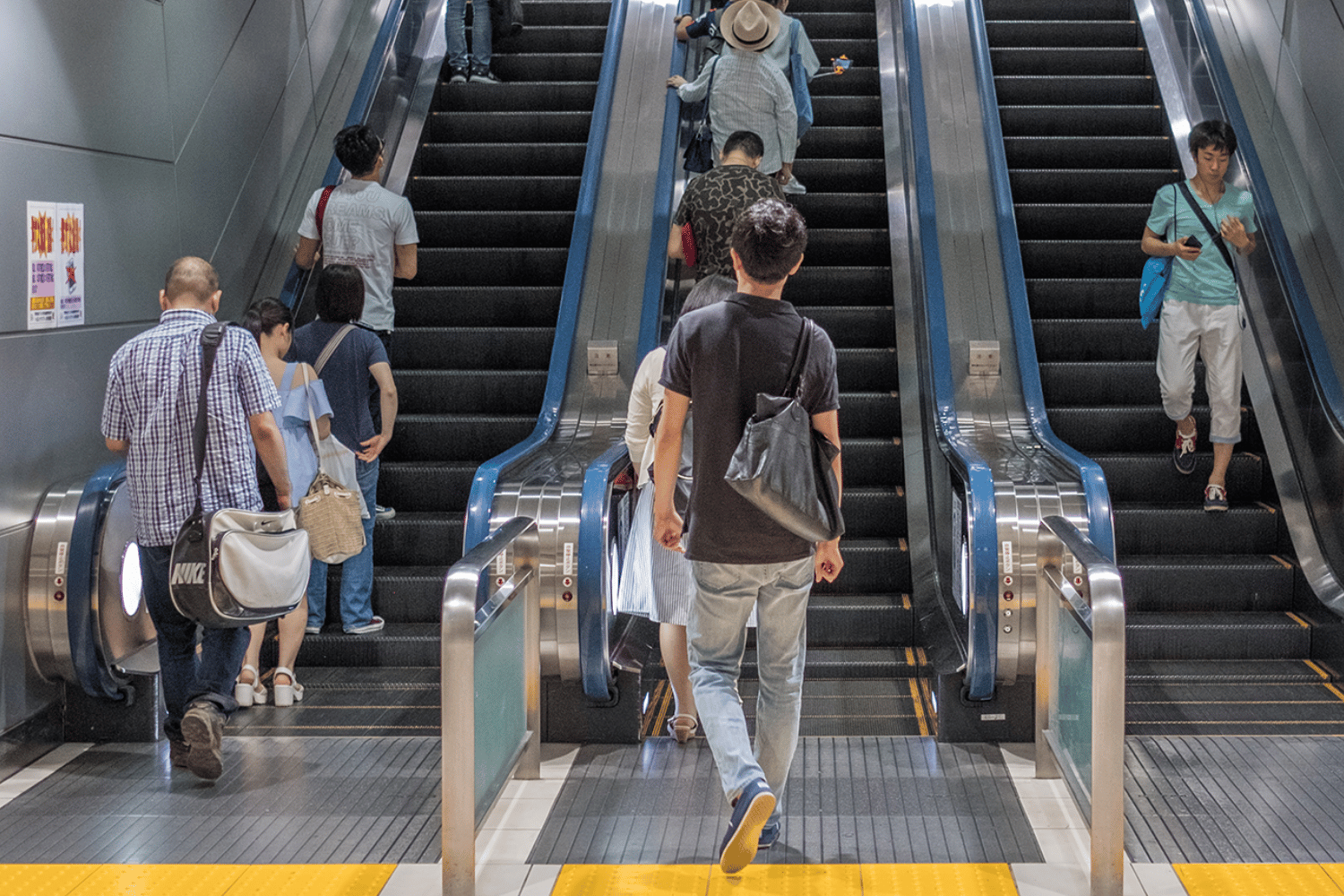
You’re in Japan, stepping onto an escalator at a crowded train station. Almost instinctively, everyone falls into place. People who want to stand keep to one side. Those in a hurry have space to pass. Nobody blocks the way. Nobody needs to shout “excuse me.”
You notice it because it feels so simple—and remarkably civilized.
Then you come home to the Philippines.
At a mall or train station, you step onto an escalator and remember what you saw abroad. You stand on the right, leaving the left open. Maybe, you think, this is one tiny piece of Japan worth bringing home.
The commonly observed etiquette in many Philippine public spaces is straightforward: stand on the right, walk on the left.
If you’re not in a hurry, stay on the right and keep bags and other belongings from spilling into the passing lane. If you’re with someone, resist the temptation to stand side by side. Stand one behind the other instead.
It sounds trivial until you encounter the classic escalator roadblock: two people occupying both sides while chatting, completely unaware that a line of commuters has formed behind them.
Courtesy also doesn’t end when the ride does.
One potentially dangerous habit is stopping immediately after stepping off—to check a phone, look for a store or wait for a companion. The escalator keeps delivering people behind you. Move several steps away before stopping.
Then there are the basic safety rules we sometimes forget: face forward, hold the handrail, secure loose shoelaces and clothing, and step cleanly over the comb plate at the exit. Children should be closely supervised, while bulky items, strollers and carts are generally better taken through an elevator where available.
There is, however, an interesting wrinkle to the “Japan rule.” Escalator etiquette actually varies across Japan itself, and safety campaigns there have increasingly discouraged walking on escalators because moving passengers can fall or collide with others.
Perhaps the bigger lesson from Japan, then, isn’t simply which side to stand on.
It is awareness.
Public spaces work better when we remember that other people are using them too. Whether the rule says keep right, keep left or simply stand safely, courtesy begins with noticing the person behind you.
You don’t need a plane ticket to Japan to practice that.
READ: