Home of the iconic “Sopas Tanza.”
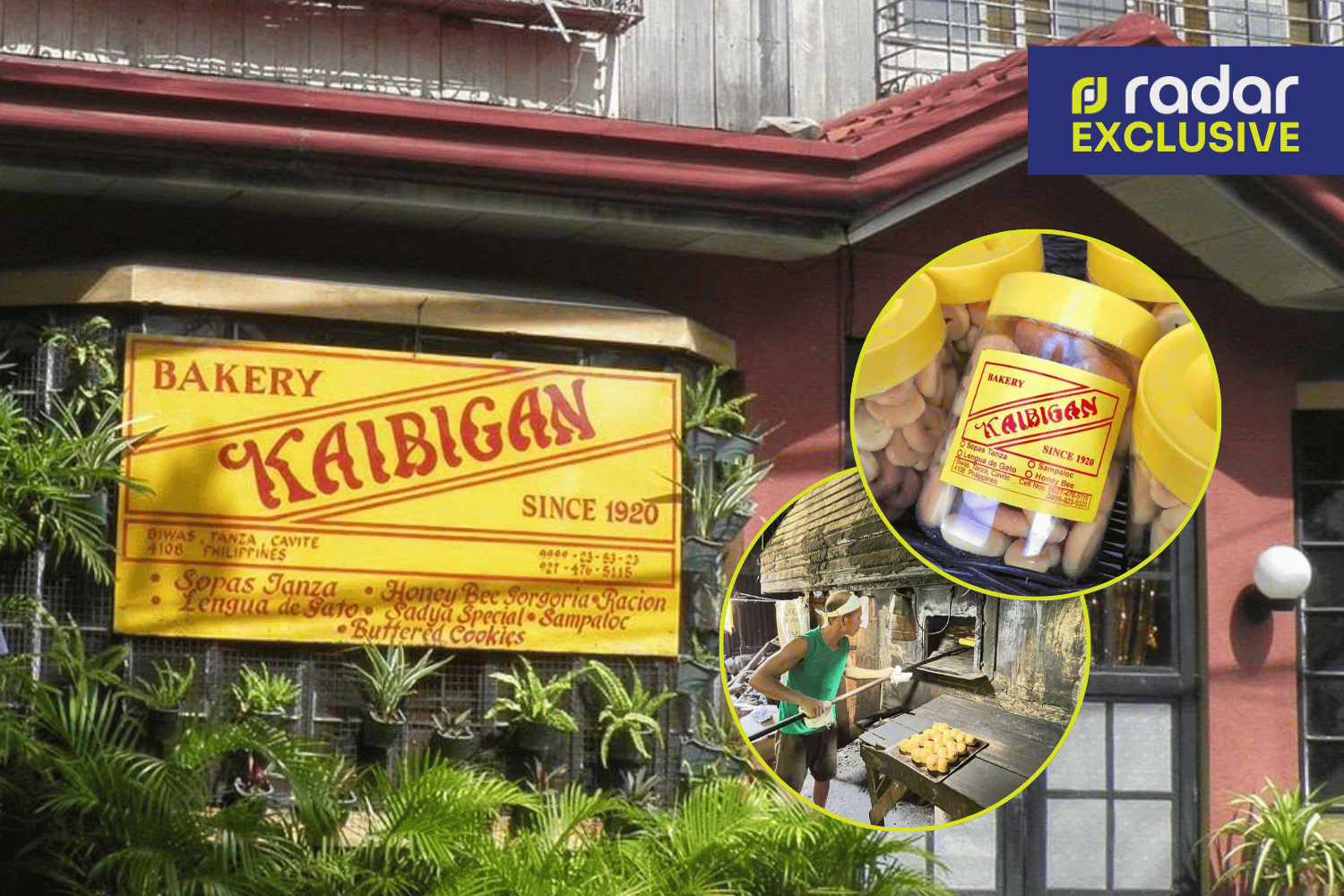
The smell of freshly baked bread drifting from a wood-fired oven has been part of mornings in Tanza, Cavite for more than a century. For generations of residents and travelers, a stop at Panaderia Kaibigan was almost a ritual—a chance to bring home a paper bag filled with warm monay, crunchy biscuits, and memories.
Today, that familiar aroma is gone.
Established in 1920, Panaderia Kaibigan has temporarily closed its doors, halting production and deliveries until further notice. The announcement, made by the management through a public advisory, cited consumer safety and warned the public against unauthorized products being sold under the bakery’s name.
For heritage enthusiasts, the closure represents more than the temporary loss of a neighborhood bakery. It is the quiet pause of one of Cavite’s oldest surviving food traditions.
A century of baking
Long before modern ovens and automated bakeries became the norm, Panaderia Kaibigan was already producing bread the old-fashioned way—using a traditional pugon de kahoy, a brick oven fired by wood.
The bakery still relies on local hardwoods such as sampaloc, ipil, kakwate, and kaymito, giving its breads and biscuits a subtle smoky aroma that became part of its unmistakable identity.
That traditional method has preserved not just recipes, but a way of baking that has largely disappeared from the Philippine bakery industry.
The story of sopas tanza
Among its many products, none became more famous than its signature Sopas Tanza.
Despite what many first-time visitors assume, it has nothing to do with soup.
It traces its roots to a Cebuano baker hired by the family during the bakery’s early years. In the Visayan language, “sopas” referred to biscuits or cookies rather than the creamy soup now commonly associated with the word.
The result is a uniquely Cavite delicacy—a crisp, lightly sweet, swirled biscuit traditionally enjoyed with a steaming cup of tsokolate-eh or strong coffee during merienda.
Simple in appearance, the biscuit became one of Tanza’s most recognizable culinary symbols and a favorite pasalubong for visitors.
More than just bread
Beyond its famous sopas, Panaderia Kaibigan is also known for producing traditional favorites such as monay, jacobina, and gurguria—products that many Filipinos now encounter only in old neighborhood bakeries.
For countless former residents returning home, buying these baked goods became a nostalgic ritual, proof that some flavors had remained unchanged despite the passing decades.
The bakery itself evolved into a living heritage landmark, drawing food lovers searching for authentic Filipino baking instead of mass-produced bread.
Waiting for the oven to burn again
Temporary closures happen in business, but they carry a different emotional weight when the establishment has survived for more than a century.
Every day the old pugon remains cold is a reminder of how fragile culinary heritage can be. Historic recipes survive not only in cookbooks but through families who continue making them exactly as previous generations did.
For now, heritage lovers can only hope Panaderia Kaibigan’s brick oven will soon roar back to life, filling the streets of Tanza once again with the comforting aroma of freshly baked bread—and the unmistakable crunch of the beloved Sopas Tanza.
READ: