Beyond flood fears, the country faces gaps in EV infrastructure.
Electric vehicles are steadily becoming part of the country’s push toward cleaner transportation.
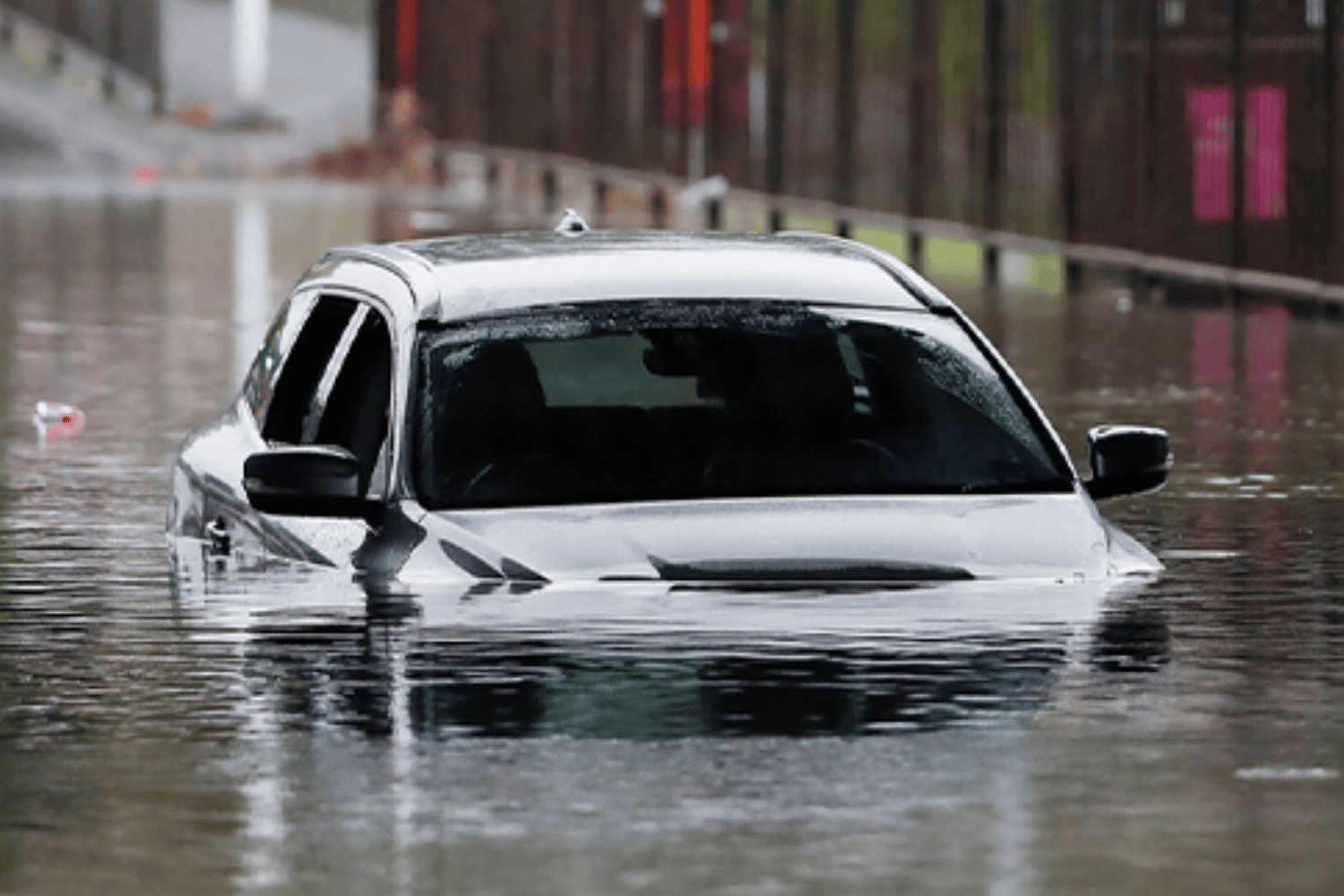
But as floods once again paralyze communities during the rainy season, one question keeps resurfacing: Can an electric vehicle electrocute its driver after being submerged?
The short answer is no, at least not in the way many people imagine.
Modern EVs are designed with sealed high-voltage battery packs, insulated wiring, and automatic safety systems that disconnect electrical circuits whenever a fault is detected.
According to Australian research group EV FireSafe, most electric vehicles operate on direct current. Accidental electrocution from standing in floodwater is considered highly unlikely because a person would generally need to come into contact with both the positive and negative sides of an electrical circuit for a dangerous current to pass through the body.
“We have not found any verified incidents where people have been electrocuted, or nearly electrocuted, from submersion in a body of water,” the group said in its report.
Still, that does not mean floodwaters are safe for electric vehicles. Like gasoline-powered cars, EVs can suffer serious damage when submerged beyond recommended limits.
Manufacturers, including Tesla and Hyundai, have warned drivers against intentionally driving through floodwaters because batteries, sensors, wiring, brakes, and other electronic components may still get affected.
In many cases, corrosion and hidden electrical damage are among the biggest risks that emerge after the flood.
Beyond vehicle damage, floods also expose another challenge for EV adoption: charging infrastructure.
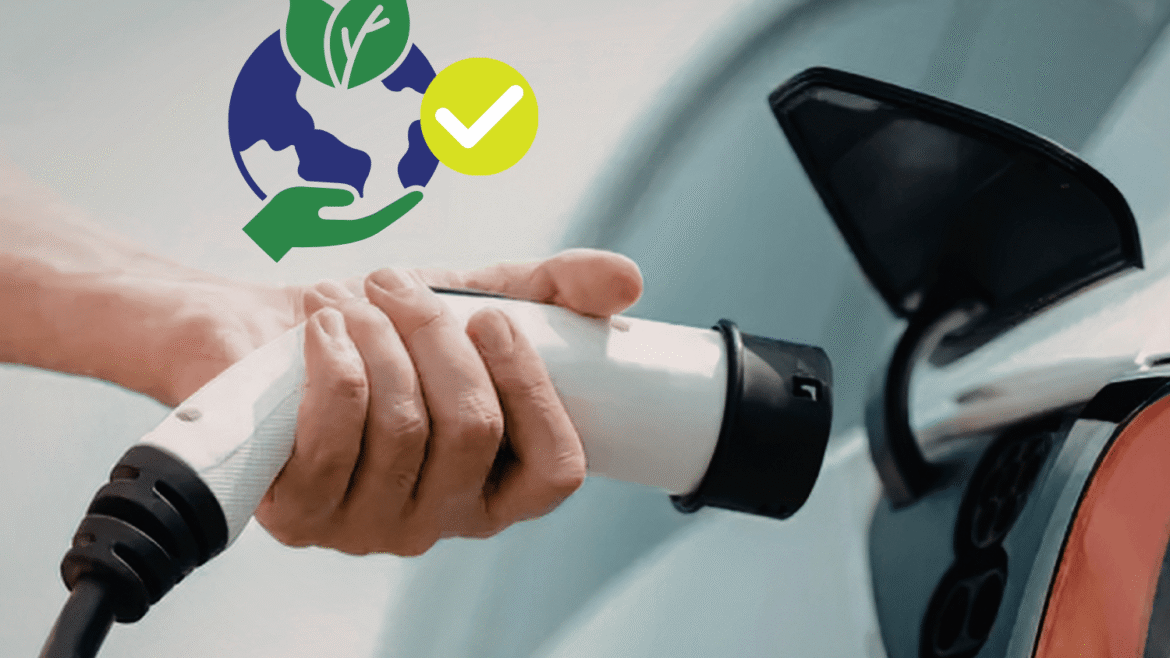
Charging stations require electricity, telecommunications, and accessible roads to operate. During major floods, these systems are often among the first to be disrupted, making charging difficult even for vehicles that remain undamaged.
On top of that, charging stations nationwide remain limited despite growing EV adoption.
The Department of Energy reported that the country had surpassed 1,100 publicly accessible charging points nationwide this year.
While the number is a sharp increase from previous years, it remains small compared with regional neighbors. Thailand has over 3,700 public chargers, Singapore has over 11,000, and China operates over 4.7 million public charging points, according to government data and the International Energy Agency.
The IEA said global public charging infrastructure expanded by more than one-third in 2025 alone, reflecting how governments increasingly view charging networks as just as important as the vehicles themselves.
Modern EV safety systems have largely answered concerns about electrocution during floods.
The bigger challenge now is building the infrastructure needed to support EV adoption in a country where flooding has become part of everyday life.
READ: