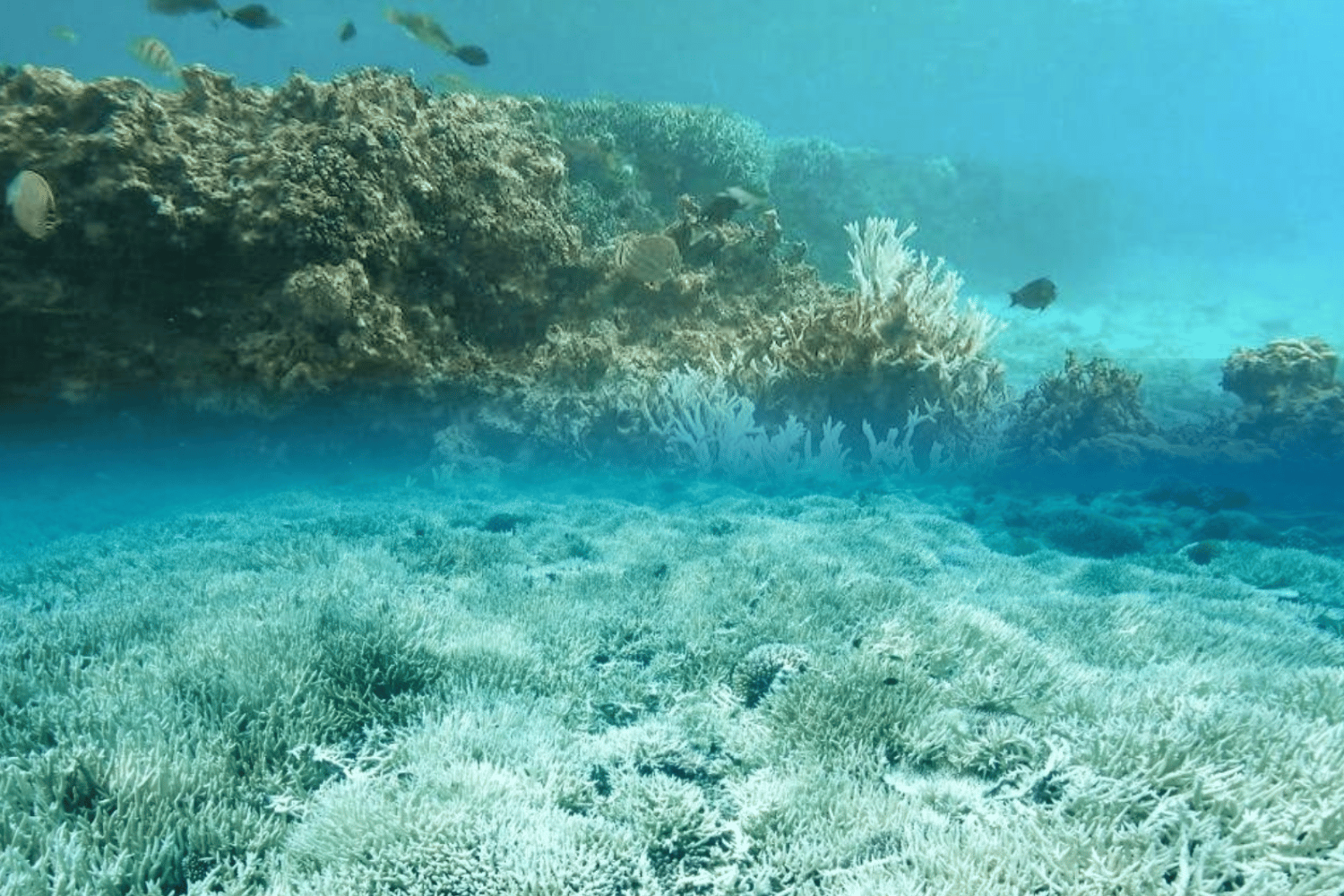
More frequent coral bleaching threatens marine life and protected areas in the Philippines.
Philippine marine life and protected areas face growing risks as coral reefs around the world run out of time to recover from increasingly frequent bleaching events linked to climate change.
The Philippines is particularly exposed to the problem because of its extensive coral reefs and reliance on marine ecosystems for food and livelihoods. The country has around 1,800 established marine protected areas, including Tubbataha Reef Natural Park, Apo Reef Natural Park, and the Tañon Strait Protected Seascape, all of which rely on healthy coral reef ecosystems.
But the reefs supporting these ecosystems are under growing pressure, according to the 2025 Status of Coral Reefs of the World report released by the Global Coral Reef Monitoring Network, a network of scientists, experts, and organizations supported by world governments.
The GCRMN found that coral reefs are having less time to recover from bleaching events, or prolonged periods of widespread damage caused by environmental stress, as these events become more frequent and severe.
Four mass coral bleaching events have been recorded by scientists since 1998, during which environmental stress caused coral reefs around the world to expel nutrient-rich algae. The algae nourishes coral reefs by exchanging nutrients and waste products during photosynthesis, which in turn helps support the surrounding marine environment and marine life.
The Philippines has 26,000 square meters of coral reef area in its waters, the second largest in Southeast Asia, consisting of more than 500 species, 12 of which are endemic to the country, according to the Department of Science and Technology.
The country’s reefs are already showing signs of strain. The Philippine Climate Change Commission reported that roughly 145 out of 166 coral reef sites in the country were rated in poor to fair health, with none classified in excellent condition, based on a survey conducted from 2015 to 2017. Average hard coral cover across the country was 22%, lower than the global average.
The problem extends beyond the Philippines. Between the most recent coral bleaching events of 2014 to 2017 and 2023 to 2025, the GCRMN report noted that hard coral cover, or the percentage of a coral reef containing healthy, living corals, recovered by 6% during 2017 to 2019, showing that replenishment is possible when there is sufficient recovery time.
However, the GCRMN also found that bleaching events are becoming more frequent, leaving corals with less time to regrow. Heat stress, especially from intensifying heat waves and increasing human activity, has been cited as the main cause of coral bleaching.
Because of the growing damage, global hard coral cover had declined to 27.3% between 2020 and 2024, from 30.2% between 1980 and 2009, indicating more drastic changes over a shorter period compared with relative periods of stability over decades.
The United States National Oceanic and Atmospheric Administration says that while coral reefs cover less than 1% of the world’s oceans, they house more than 25% of global marine life, much of which is yet to be discovered.
That makes the condition of coral reefs a concern well beyond individual reef systems. Ocean ecosystems transcend country borders and are highly interconnected, so when one part of the ocean suffers, so does the rest of the world.
For the Philippines, the continued decline could put marine biodiversity, protected areas, food supplies, and industries that depend on healthy ocean ecosystems under greater pressure.
The growing damage underscores the need for local interventions alongside coordinated international action to address climate change and give coral reefs the recovery time they need.
READ:
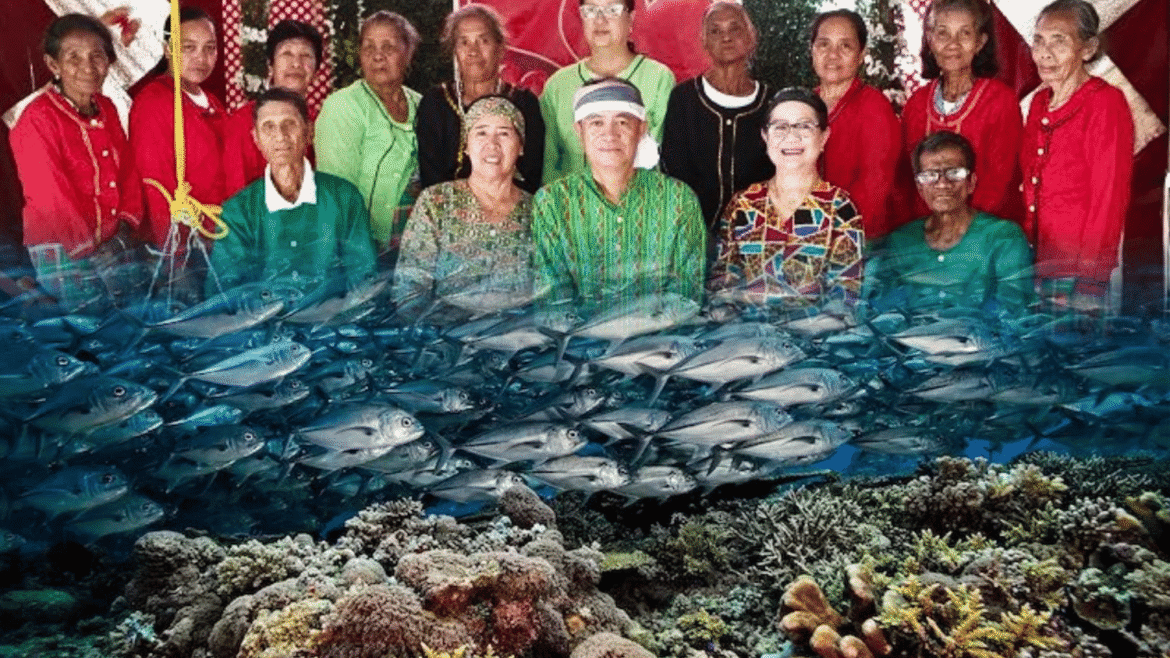
Palawan Indigenous group earns global praise for culture-based coral reef conservation
Kiara Gorrospe
September 2, 2026
Aftershocks force delay in reopening of tuna and salmon exporter in quake-hit GenSan
John Lloyd Aleta
June 16, 2026
Without mangroves, our coasts become disaster zones
radar Lifestyle
June 2, 2026
Tags: Apo Reef Natural ParkbiodiversityClimate Changecoral bleachingcoral reefsDepartment of Science and Technologyecosystemsenvironmental conservationGlobal Coral Reef Monitoring Networkmarine protected areasNational Oceanic and Atmospheric AdministrationoceanPhilippine Climate Change CommissionSoutheast AsiaTañon Strait Protected SeascapeTubbataha Reef Natural Park