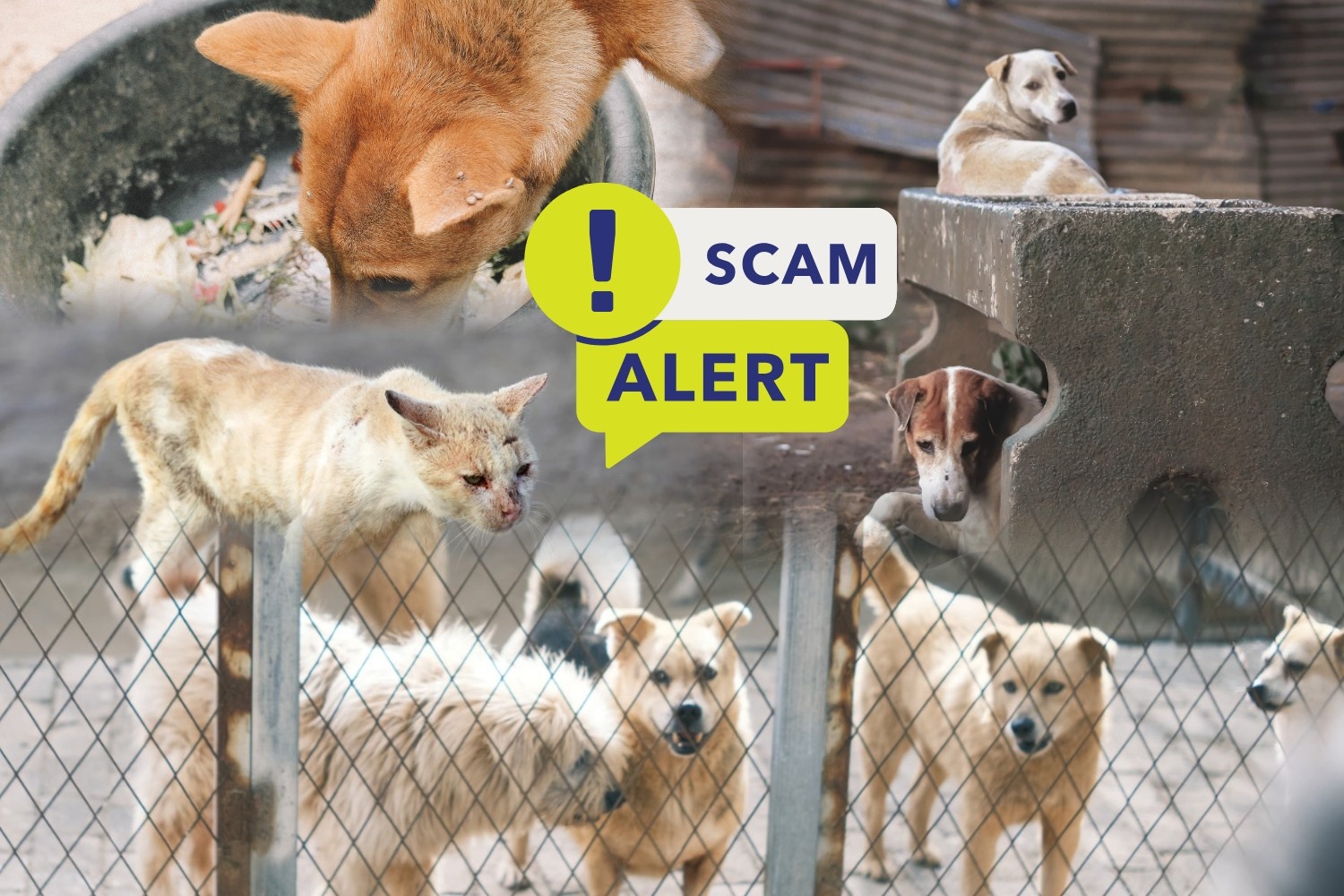
Digital scams now involve fake rescue pages.
Every day, we see heartbreaking images of injured strays and urgent appeals for GCash donations flooding our feeds. But behind the screen, a disturbing trend of “fake rescues” is on the rise, where animals are hoarded and kept in poor conditions just to trigger “pity clicks” and endless donations.
Donors must check online sanctuaries thoroughly to ensure their hard-earned money is saving lives, not funding fraud. Don’t fall for emotional posts. Rate pages on three solid pillars: bureaucratic legitimacy, vet transparency, and verified digital behavior.
Demand legit papers
True compassion requires demanding a paper trail. In the Philippines, legitimate sanctuaries cannot operate legally with just a Facebook page and a personal GCash account. To pass humane inspections, all shelters must register with the Bureau of Animal Industry (BAI) under Republic Act No. 8485.
Furthermore, groups soliciting public donations must hold Securities and Exchange Commission (SEC) non-profit registration and a Department of Social Welfare and Development (DSWD) permit. Exercise extreme caution if a page claims official status but lacks institutional transparency.
Vetted by veterinarians
Aside from legal requirements, veterinary accountability is the ultimate test of a rescue’s commitment to animal welfare. Animal feeding accounts for only 20% of shelter operations; the remaining 80% goes to medical care.
Legitimate rescues frequently post itemized, blur-free clinic receipts with the veterinarian’s name, and they actively promote direct-to-clinic donations to settle balances directly with the hospital.
Also, look for a publicly documented kapon (spay/neuter) protocol. If a page contains dozens of stray animals that have not been altered, it is most likely the work of animal hoarders or backyard breeders masquerading as charities.
Red flag digital behaviors and content patterns
Finally, pay close attention to digital behavior and media patterns. Genuine rescues focus on the rehabilitation and recovery journey of the animal, actively promote adoption to free up space, and openly invite volunteers for physical shelter visits.
Fraudulent rescues, on the other hand, trap their audience in a graphic trauma loop, repeatedly posting open wounds and sudden, manipulative deadlines like “will be euthanized tonight if no GCash.”
Also, these scammers often keep their physical location a “secret” to block the public from seeing actual neglect, and they rarely post successful adoptions because a lower animal count reduces their leverage for emotional appeals.
READ: