Direct purchase system eyed as logistics add to bottleneck.
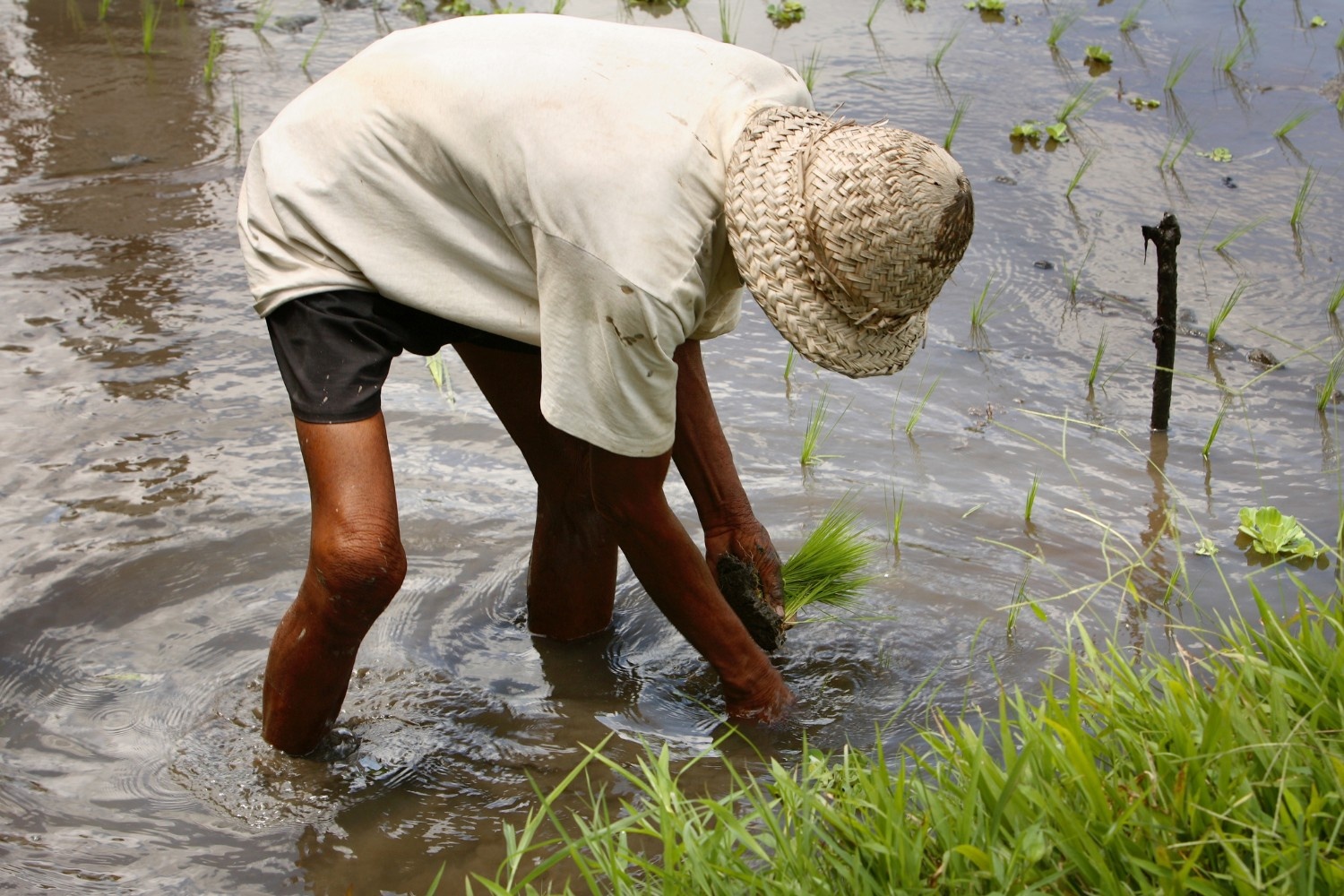
Palay prices have dropped to as low as ₱16 per kilo in some farming areas, eroding earnings for rice farmers as the harvest season nears completion.
The geographic divide
The Department of Agriculture (DA) said fresh palay is now being bought at ₱16 to ₱17 per kilo in parts of Nueva Ecija, Pampanga, Isabela, and Cagayan. These areas account for a large share of the country’s rice output.
The decline comes as about 77% of the national harvest has already been completed. However, in areas like Palawan, the DA said farmgate prices remain higher at around ₱23 to ₱24 per kilo, suggesting that localized supply surges may be driving the drop.
Government intervention: The ₱30 floor
To stabilize prices, the National Food Authority has raised its buying price for dry palay to as much as ₱30 per kilo and is ramping up procurement in affected areas. A direct purchase system is also being introduced to let farmers sell to the government ahead of harvest.
Additional farm trucks are also expected to be deployed this year to expand access to buying stations and help ease the logistics bottleneck.
While imports remain part of supply planning, the DA said volumes may be managed more tightly in the coming months to avoid putting further pressure on local prices.
A harvest heavy on supply but low on returns. Palay prices have plummeted to ₱16/kilo in Central Luzon.
radar Recommends
Understanding the dry vs. fresh price gap
Fresh palay has a high water content (usually 20-25%). Dry palay (at 14% moisture) is stable for storage. Most farmers sell fresh because they lack mechanical dryers, forcing them to accept the lower ₱16 rate.
The NFA's ₱30 price is for dry palay. If you have access to a communal drying facility (solar or mechanical), your profit margin can nearly double.
With 77% of the harvest done, the "peak" has passed. If you can store your palay for even 4 to 8 weeks, prices typically rebound as the immediate supply glut clears.
Farmers should consolidate their harvests through cooperatives. Small, individual farmers often lose out on logistics costs; by pooling together, you can qualify for the DA's new truck deployments and negotiate directly with the NFA for the ₱30/kilo rate.
READ:
Rescue buys for farmers raise questions on pricing, fairness, and long-term impact
Kenneth M. del Rosario
April 13, 2026
Local farmers brace for impact as rice deal between the Philippines and Pakistan raises pressure
John Lloyd Aleta
February 2, 2026
Gov’t numbers show sugar prices improved, but local farmers say otherwise
John Lloyd Aleta
January 22, 2026