1.34M more Filipinos risk falling into poverty, study says.
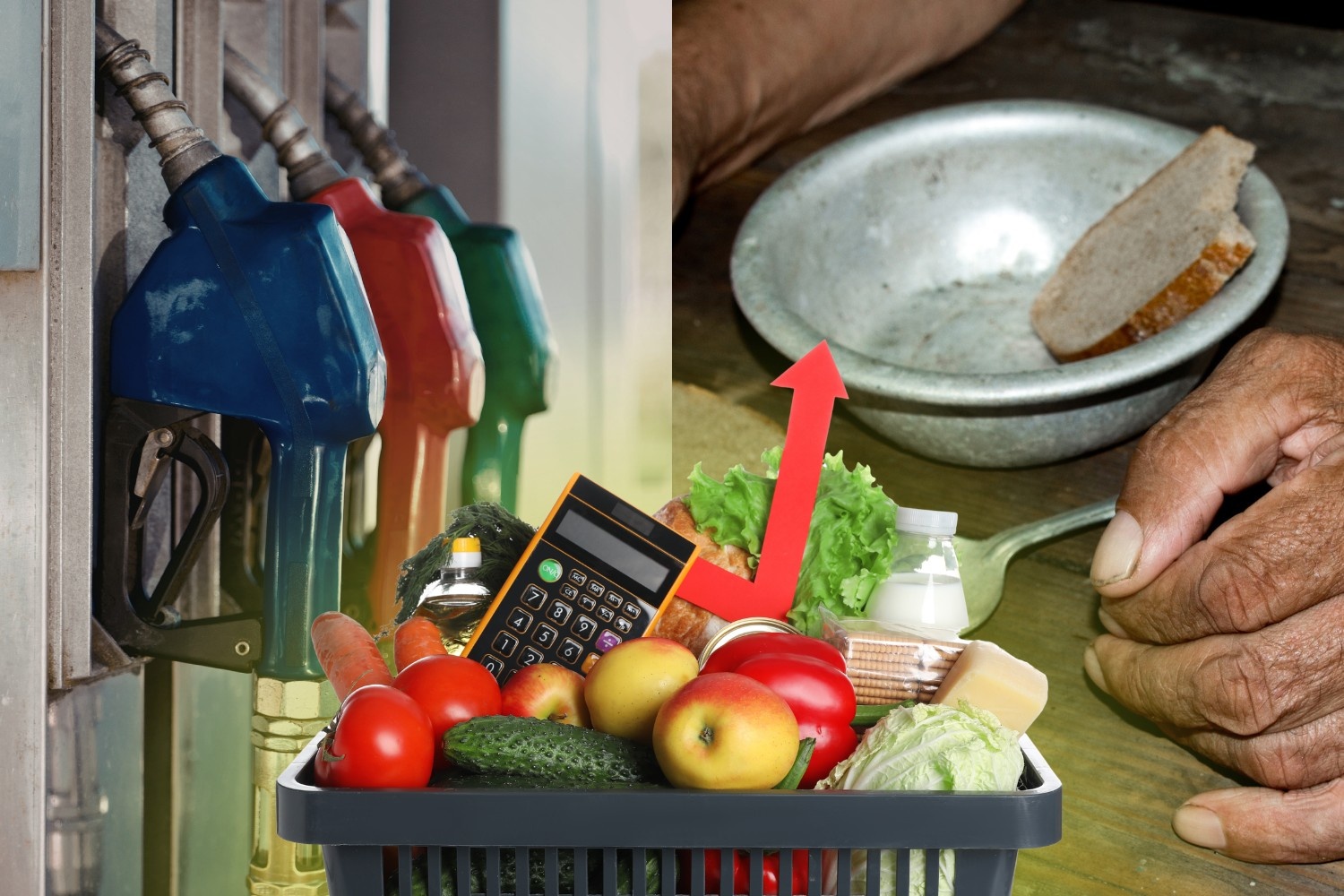
Rising oil prices are changing how much food Filipinos can afford, with even basic goods becoming harder to buy as wages fail to keep pace with rising market prices, pushing families closer to poverty.
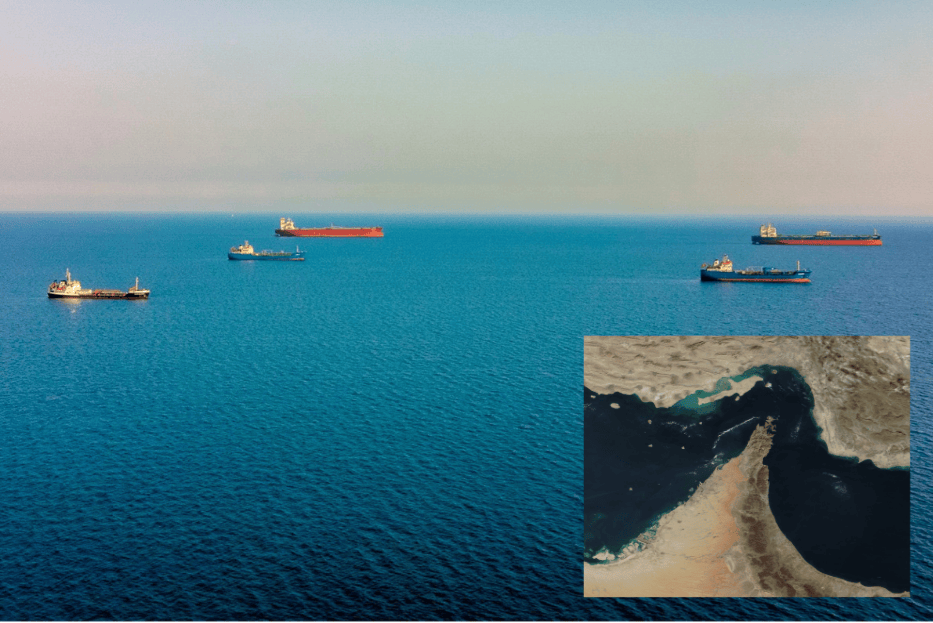
A new study by the Philippine Institute for Development Studies (PIDS) warns that up to 1.34 million more Filipinos could fall below the poverty line this year if the oil crisis persists. This comes as global oil prices hover at around $105 per barrel, increasing the cost of transport, electricity, and basic goods.
The purchasing power of poorer households is projected to drop by as much as 16.2%. This means Filipinos may struggle to afford rice, fish, meat, and vegetables, as transport and production costs rise.
The national poverty surge
Meanwhile, richer families are expected to feel minimal impact, experiencing only a 3.4% decline in purchasing power.
The result is a potential increase in the national poverty rate to 14.4%, up from 13.2 percent in 2025, with the number of affected Filipinos potentially reaching as high as 3.1 million.
Rural communities are expected to take a heavier hit, especially in regions like BARMM, Bicol, and parts of Mindanao, where livelihoods depend on fuel-intensive activities such as farming and fishing.
PIDS also flagged that blanket fuel subsidies may not be enough, as higher-income households tend to benefit more due to greater fuel consumption. Instead, targeted support for low-income families is seen as more effective in cushioning the impact of rising prices.
When oil prices go up, food vanishes from the table. A chilling new study warns that 1.34 million more Filipinos are at risk of poverty in 2026 as $105-per-barrel oil drives the cost of basic goods beyond the reach of the working class.
READ: