Shorter booking windows, a value-first mindset, and the rise of the AI travel assistant are redefining the Pinoy getaway.
Filipinos are still traveling, but the way they plan, spend, and choose destinations is changing fast.
New data from Klook’s Travel Pulse 2026 shows a travel market that remains active despite global uncertainty, with shifting priorities shaped by rising costs, geopolitical tensions, and evolving digital habits.
The platform reported a 39.2% increase in domestic business in 2025, alongside a 127% surge in hotel bookings. Growth extended beyond the Philippines, with Vietnam, Taiwan, and Thailand posting triple-digit gains. Demand remains strong, particularly within Asia.
But external pressures, such as the ongoing tensions in the Middle East and fluctuating oil prices, are beginning to influence decision-making. While travel intent has not weakened, Filipinos are increasingly choosing destinations closer to home. Northeast Asia continues to dominate at 67% of planned travel, followed by Southeast Asia at 30%.
“There’s a shift in where people travel and how they spend,” said Klook Philippines general manager Michelle Ho. “Intent is still there, but choices are evolving.”
The shift to experience-first spending
That development is also reflected in booking behavior. While trips for early 2026 were largely secured months in advance, Klook is seeing signs of a shorter booking window moving forward, with travelers taking a more cautious approach when planning for the latter half of the year.
Affordability remains a constant, but spending patterns are changing. Travelers are keeping budgets steady for flights and accommodations while showing greater willingness to spend on food and experiences. This redistribution is changing how travel platforms package their offerings.
For Klook, that means leaning further into experiences.
Group-friendly activities such as theme parks, cruises, and guided tours continue to perform well, driven by the Filipino preference for traveling in families or small groups. On average, group bookings range from two to five people, reinforcing the demand for shared experiences.
Emerging segments are also gaining traction. Concert tourism, which saw early success through partnerships tied to major international acts, is being explored further alongside sports-driven travel such as marathons and fitness events. These segments open opportunities for bundled offerings that combine tickets, accommodations, and activities.
AI used increasingly in travel planning

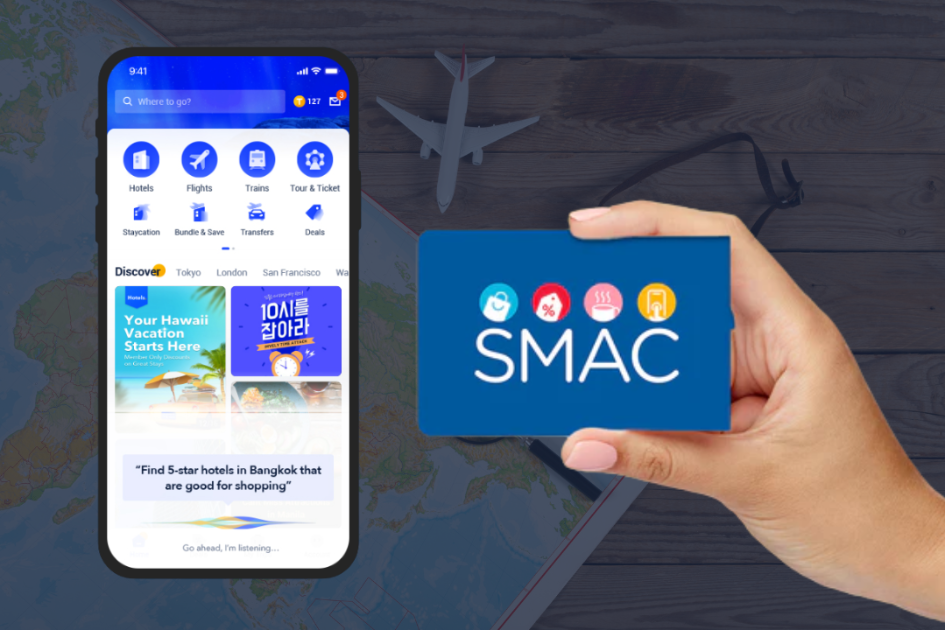
Klook’s study points to rapid adoption of artificial intelligence tools, particularly among Millennials, who use them for destination research and deal-hunting. But AI is not replacing traditional discovery channels.
“AI can consolidate information, but when it comes to taste and lived experiences, that’s where consumers still lean on social [media],” Ho said.
For travel platforms, this creates a more complex customer journey that requires a mix of data, content, and personalization.
To manage volatility, Klook is strengthening its domestic footprint. The company views local travel as a key growth driver, especially as infrastructure and tourism development expand beyond traditional hotspots.
While demand is holding, the rules are changing. Travelers are becoming more deliberate, more value-driven, and more focused on experiences.
Filipinos are still traveling, but how they plan and spend is evolving. New data from Klook points to steady demand alongside shifts in destination choices, booking behavior, and the growing role of AI and social media in trip planning.