DA and OPAPRU are developing a farm-based livelihood program that could help former combatants build longer-term agricultural enterprises.
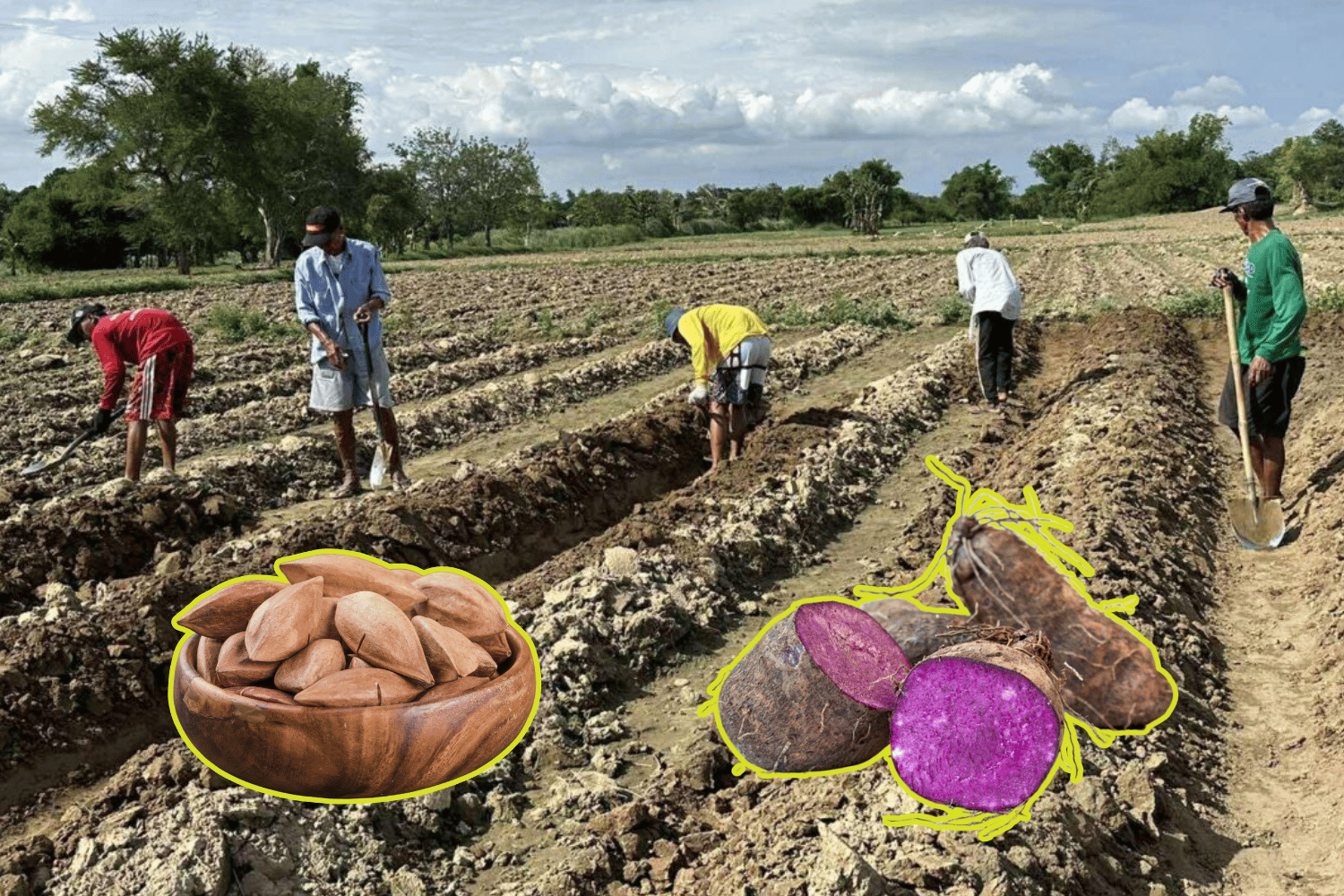
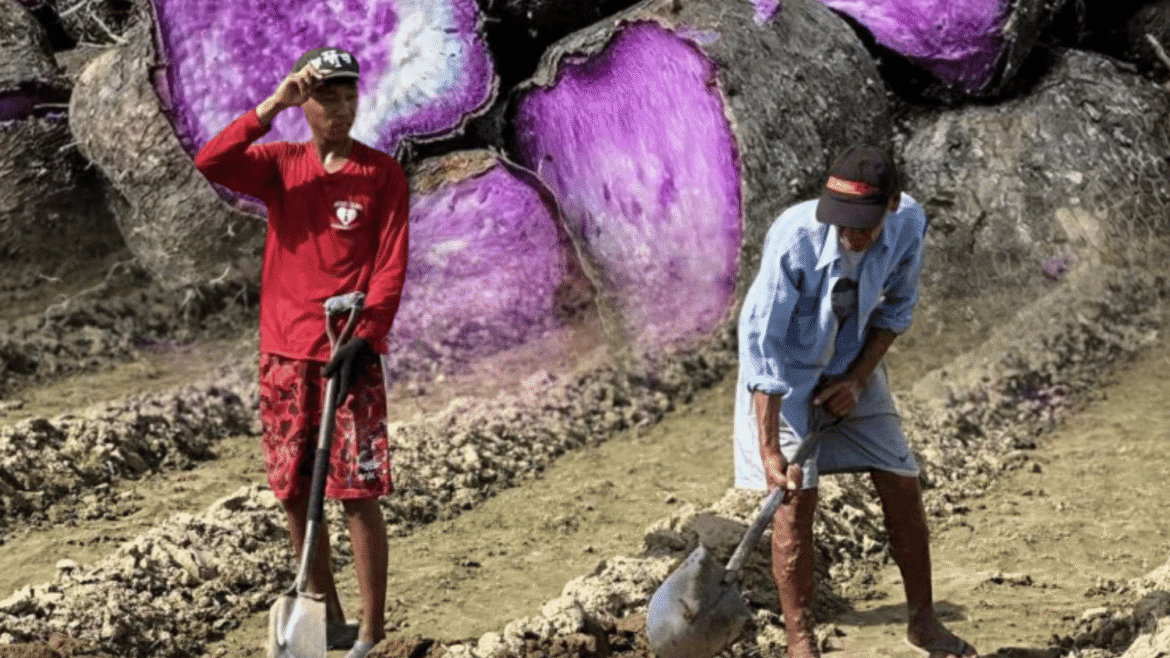
The government is looking to turn former communist rebels and Moro Islamic Liberation Front combatants into farmers, with ube and pili among the crops being eyed as potential income-generating ventures for their transition to civilian life.
The Department of Agriculture (DA) and the Office of the Presidential Adviser on Peace, Reconciliation and Unity (OPAPRU) are developing a farm-based livelihood program that would shift former combatants from short-term skills training toward longer-term agricultural enterprises.
The OPAPRU said many former combatants, particularly those aged 46 to 60, could be better suited to farming than additional technical courses. Authorities say they are also working with around 53,000 combatants under the project.
The proposed model would organize former combatants into farm communities, with supervisors overseeing production while private companies provide support and purchase the harvest.
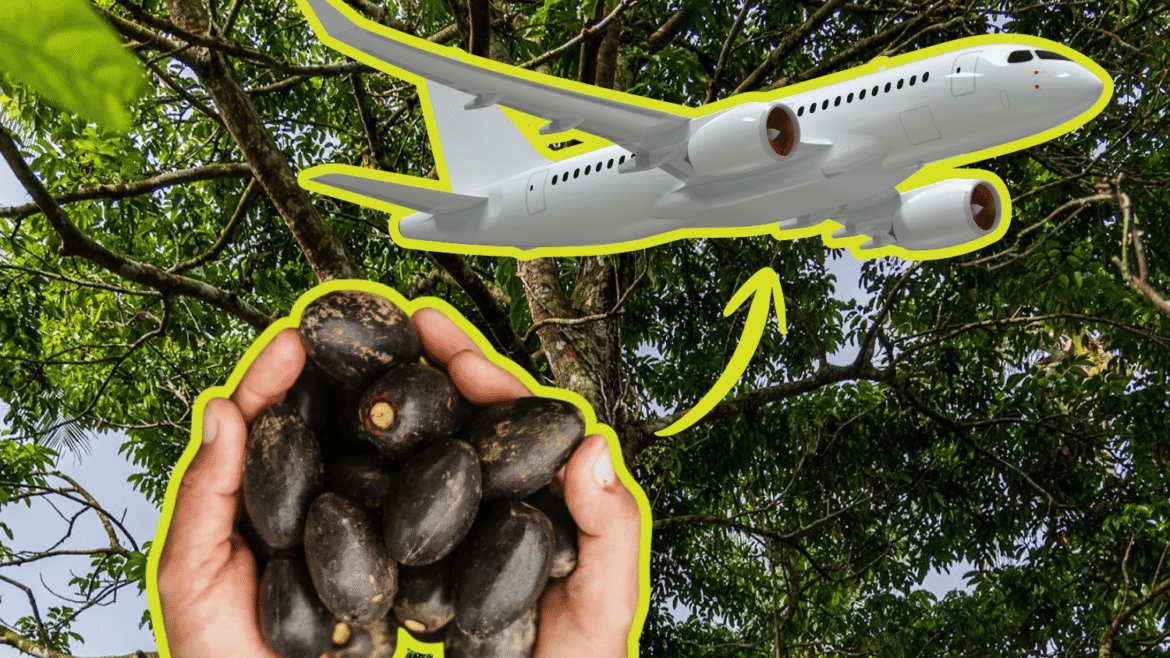
Pili is among the crops being considered, particularly in Bicol and Samar, where the agency said prices can reach around ₱600 per kilogram. It added that South Korean buyers have shown interest in the crop, which could expand its market potential.
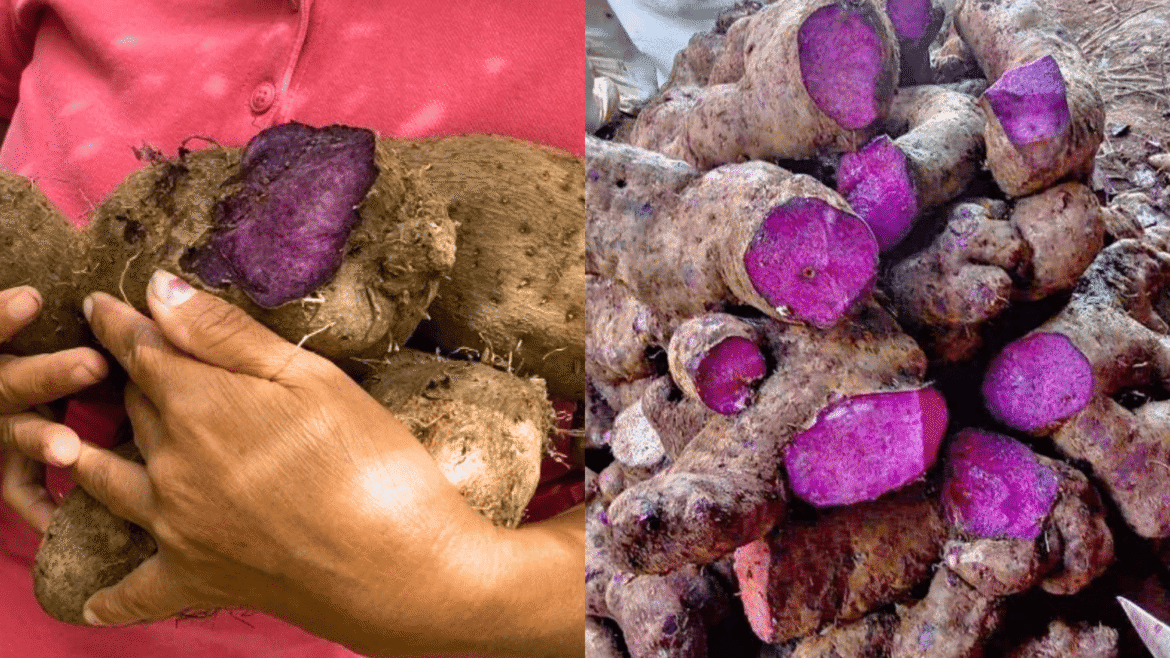
Ube is another candidate as demand for the crop continues to grow.
The DA is also considering community nurseries, fisheries training, livestock support, farm equipment, and food hubs as part of the broader livelihood program.
However, a reliable source of income remains crucial, especially when land disputes, unequal access to resources, poverty, and displacement have fueled armed conflict in rural communities.
Teaching former combatants to grow ube or pili will not solve those problems on its own. The government still has to address the land disputes and economic grievances that have pushed some communities toward armed movements.
READ: