You have probably ridden one at least once. A bicycle with a sidecar, a small roof overhead, and a driver pedaling through narrow streets to bring you home, to school, or to the nearest market.
In many Filipino neighborhoods, the pedicab is so familiar that it almost feels like a Filipino invention.
But it isn’t.
The humble pedicab, known locally as the padyak, sikad, or trisikad, belongs to a much older transportation tradition that began outside the Philippines more than a century ago.
From Japan to the rest of Asia
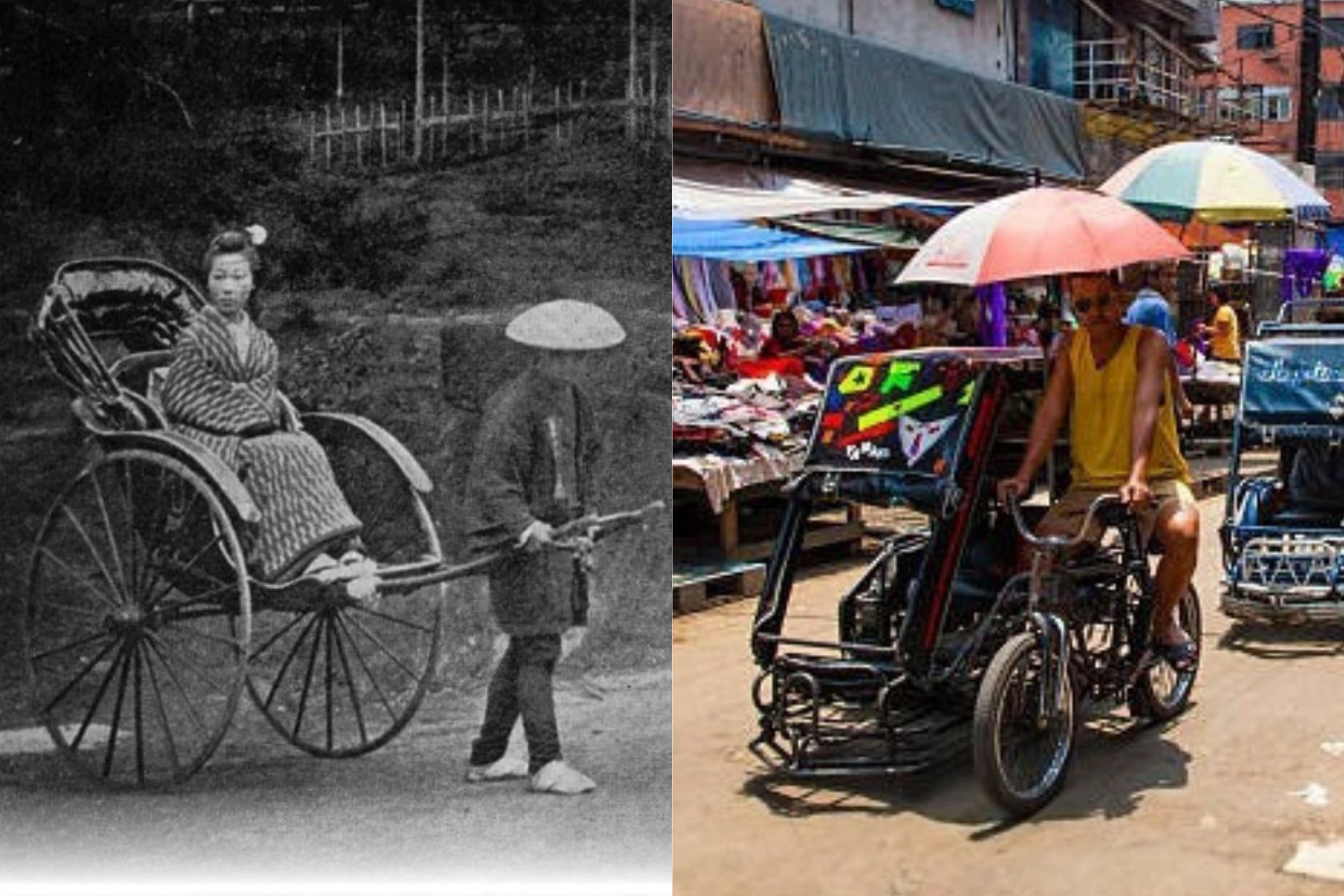
The story begins in Japan in 1869, when the hand-pulled rickshaw, or jinrikisha, emerged as an inexpensive alternative to horse-drawn carriages.
These early vehicles had two wheels and a passenger seat, but instead of pedals, they relied on a person physically pulling the carriage.
By the late 19th century, the development of bicycles inspired a more efficient alternative: attaching passenger carriages to pedal-powered vehicles.
The cycle rickshaw gradually spread across Asia, becoming particularly popular in cities where narrow streets and inexpensive transportation made it practical.
Singapore adopted cycle rickshaws commercially in 1929. Within years, they had become a familiar sight.
Similar vehicles eventually appeared in India, Bangladesh, Indonesia, Vietnam, and other countries, each developing its own distinctive design.
How the pedicab became Filipino
The Philippines eventually developed its own version.
During the World War II era and the postwar years, pedal-powered passenger vehicles became an affordable transportation option in Filipino communities.
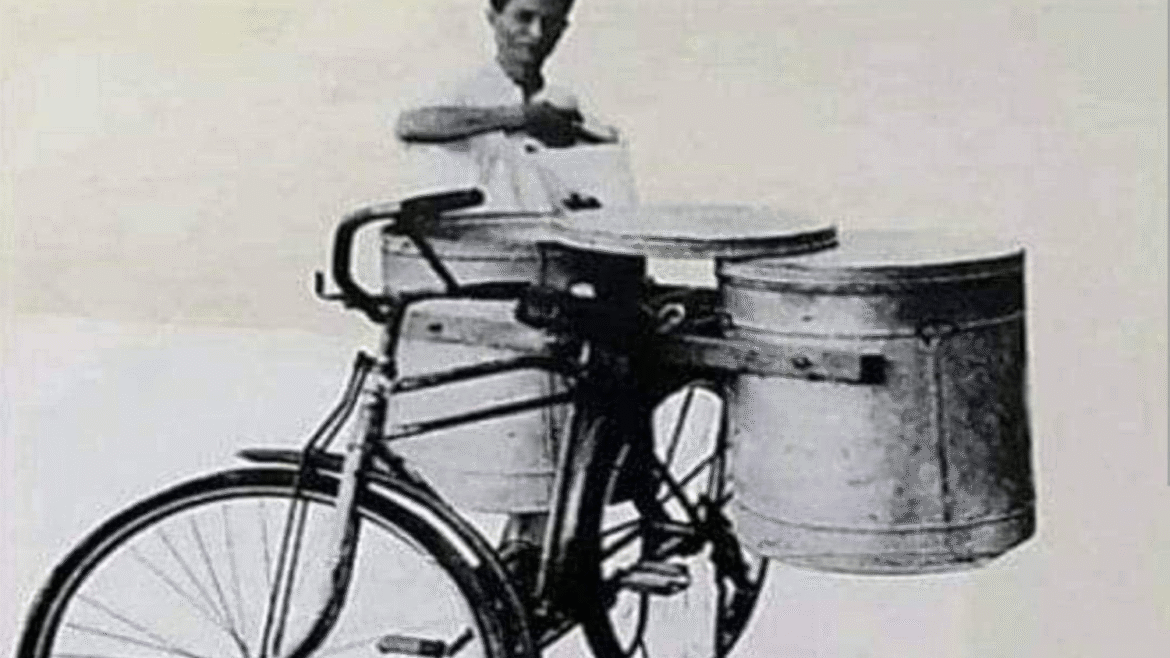
Local builders adapted bicycles by attaching sidecars, often using inexpensive or salvaged materials.
The vehicles acquired distinctly Filipino names, including padyak, referring to the act of pedaling, and trisikad, derived from the Cebuano word sikad, meaning to kick.
Unlike some Asian cycle rickshaws, which place passengers behind the driver, the familiar Philippine pedicab typically carries passengers in a sidecar beside the bicycle.
Over time, this design became deeply associated with Filipino neighborhood life.
A vehicle that refuses to disappear
Even as motorized tricycles became widespread, the pedicab survived.
During the economic difficulties of the 1980s, rising fuel costs helped sustain demand for inexpensive, human-powered transportation.
Today, pedicabs continue to operate in communities where larger vehicles cannot easily enter.
They remain particularly useful for short trips through residential streets, crowded neighborhoods, and narrow passageways.
Elsewhere, cycle rickshaws have taken on different roles. In Bangladesh, elaborately decorated rickshaws have become celebrated examples of urban folk art. In cities such as New York and London, pedicabs serve tourists.
Modern versions even incorporate electric assistance to reduce the physical effort required of drivers.
The Philippines may not have invented the pedicab, but generations of Filipino drivers and builders transformed it into something unmistakably local.
And perhaps that is what makes its history interesting.
A transportation idea that traveled across continents eventually became one of the most recognizable symbols of everyday life in Filipino neighborhoods.