Fernando Amorsolo became one of the Philippines’ greatest painters, celebrated for his luminous landscapes and rural scenes. But among the artists who shaped his early training was a Spanish master whose name nearly vanished from history.
Joaquín María Herrer y Rodríguez (1838–1917) was a Madrid-born painter who studied at prestigious art academies in Spain, Paris, and Rome before moving to Manila in the 1890s.
He taught at the Escuela Superior de Pintura, Escultura y Grabado and later joined the pioneering faculty of the University of the Philippines School of Fine Arts in 1909.
The teacher of Filipino masters
Herrer taught landscape painting and figure drawing, bringing European academic techniques to a generation of Filipino artists.
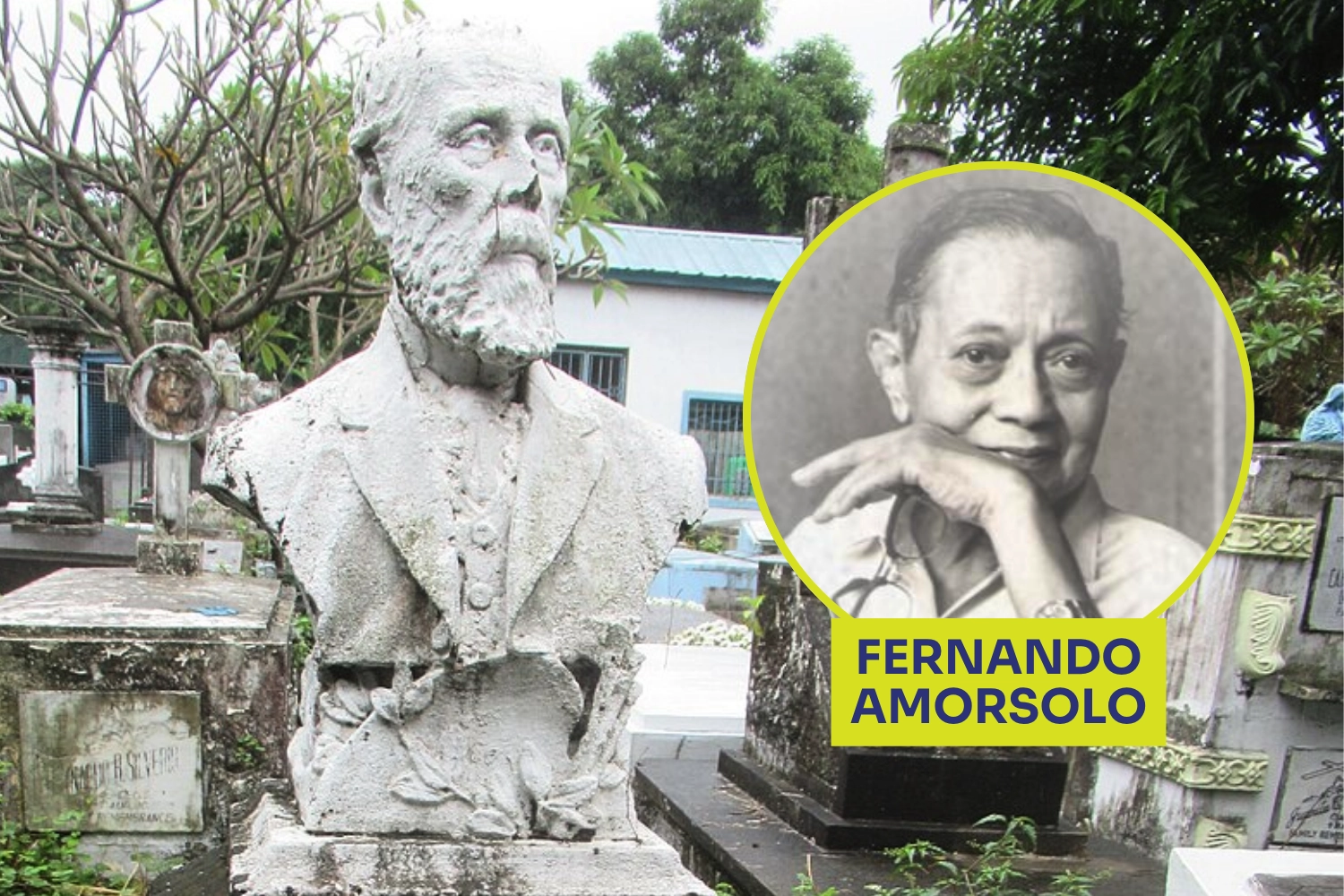
His most famous documented student was Fernando Amorsolo, who entered UP Fine Arts in 1909 and later became the country’s first National Artist for Visual Arts.
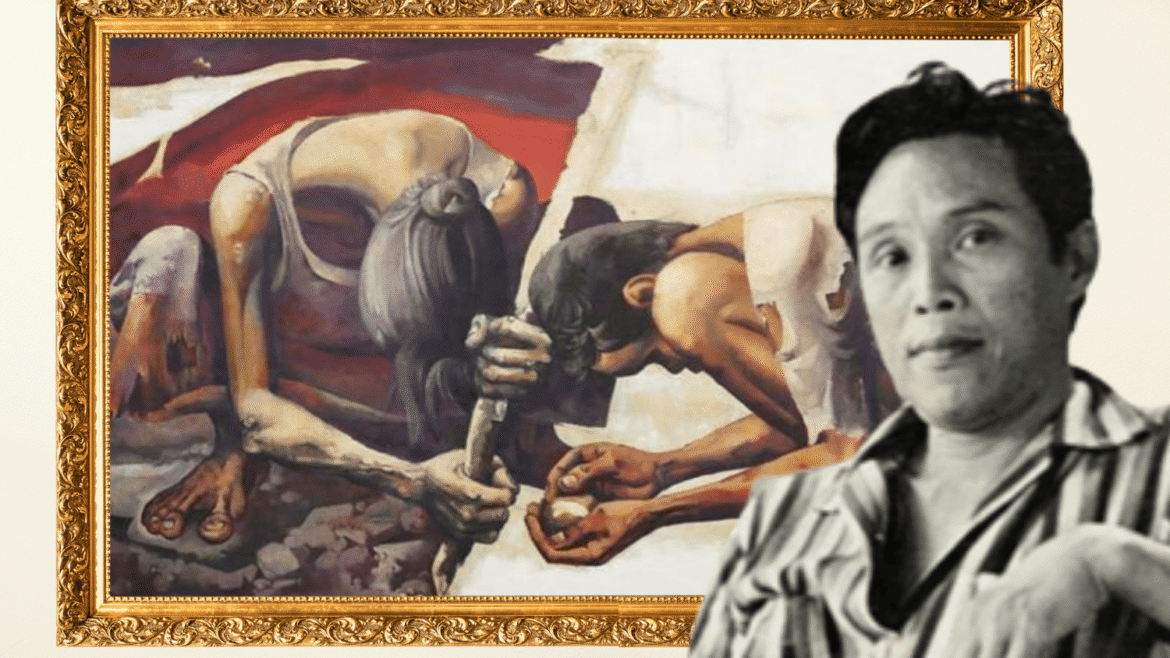
Other prominent artists associated with UP Fine Arts during Herrer’s era included Guillermo Tolentino, Irineo Miranda, Pablo Amorsolo, and Dominador Castañeda. However, surviving records do not establish that they studied directly under him.
His fellow faculty members included Filipino masters Fabián de la Rosa, Rafael Enríquez, Miguel Zaragoza, and Vicente Francisco.
Herrer also earned international recognition, winning a silver medal at San Francisco’s 1915 Panama-Pacific International Exposition.
The master history forgot
Despite his accomplishments, Herrer faded into obscurity. Spanish records reportedly listed him as having died in Madrid decades before his actual death in Manila in 1917.
Many works associated with his Manila years were reportedly lost during World War II.
Rediscovered after a century
In 2019, photographs of his neglected, vine-covered tomb at La Loma Cemetery reached his descendants in Spain, reviving interest in his forgotten legacy.
His story remains a remarkable reminder that behind some of Philippine art’s greatest names stood a Spanish teacher whose contributions almost disappeared from history.