“In describing Inaul as something I ‘weaponized’ and made ‘dangerous,’ I used language that was disrespectful to a living cultural heritage that is not mine to redefine,” Libiran said.
He also acknowledged that he “failed to present the piece with the cultural understanding and sensitivity that Inaul deserves.”
Libiran apologized specifically to the Maguindanaon people, inaul weavers and cultural bearers, the wider Bangsamoro community, and the BCPCH offices in Maguindanao and Lanao del Sur.
“Whatever my intention, it does not undo the impact of my words or presentation, and I take responsibility for both,” he said.
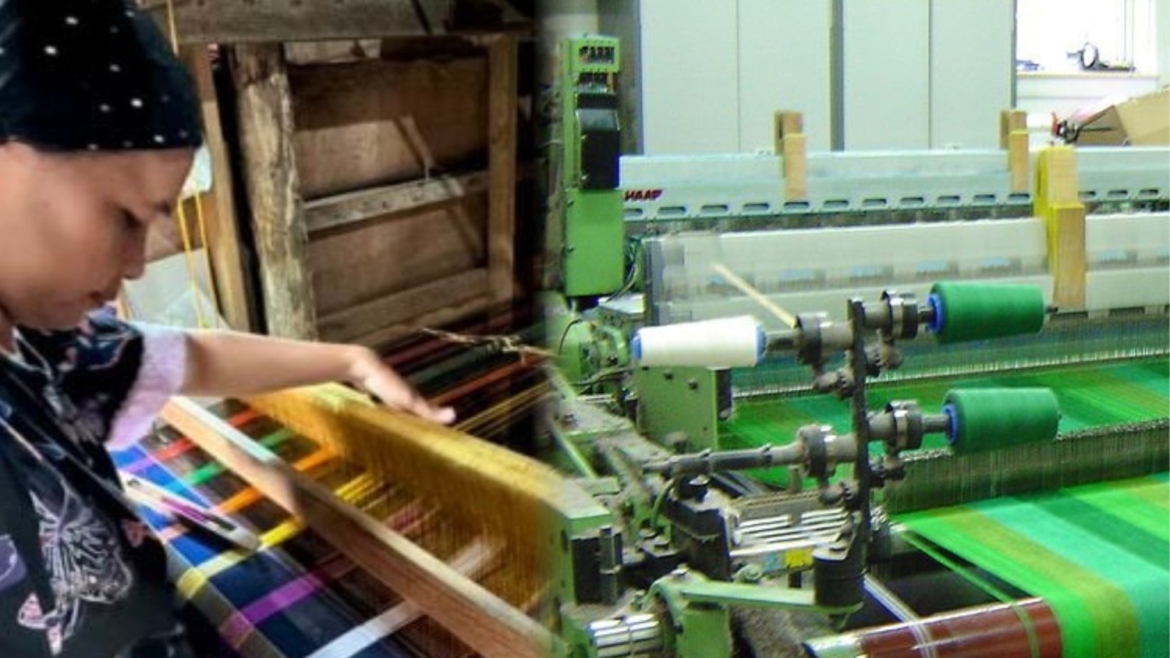
The controversy began after Libiran posted a contemporary outfit using inaul and wrote: “I didn’t preserve tradition. I weaponized it.”
He also described transforming the textile into a “graphic, skin-tight bustier” and declared: “Filipino heritage, but make it dangerous. Make it modern. Make it LIBIRAN.”
BCPCH-Lanao del Sur responded that inaul is “not merely a fabric, pattern, or material for fashion experimentation,” but a cultural heritage carrying generations of knowledge, craftsmanship, history and identity.
The controversy also triggered a broader debate over how far designers can go in reinterpreting traditional textiles.
Fashion platform Rampa Pinas argued that contemporary reinterpretation itself is not necessarily the problem, noting that inaul has already appeared in modern Filipiniana, jackets, trousers and other designs.
“So the real issue is not simply whether Inaul may be reinterpreted. It already is,” Rampa Pinas wrote, arguing that the more important questions involve cultural understanding, provenance, attribution and the participation of weaving communities.
BCPCH Chairperson Robert M. Alonto similarly clarified on September 7 that the commission welcomes efforts to bring Bangsamoro textiles into contemporary design, provided innovation respects their cultural context and symbolism.
Libiran has now removed his original post and said he is formally reaching out to BCPCH and Maguindanaon cultural representatives “to listen and seek guidance on the appropriate next steps.”
He is also pausing further promotion of the design while discussions continue.
Libiran said his decades of advocating Filipino artistry have taught him that promoting local craftsmanship must remain grounded in respect for the cultures and people behind it.
“I hope this moment becomes an opportunity to learn, collaborate, and do better,” he said.
The apology may close one chapter of the controversy. But the larger conversation it sparked—about who gets to reinterpret heritage, how it should be done, and whether the communities behind traditional textiles remain part of the story—is far from over. See less
READ: