Weaving culture is under threat!
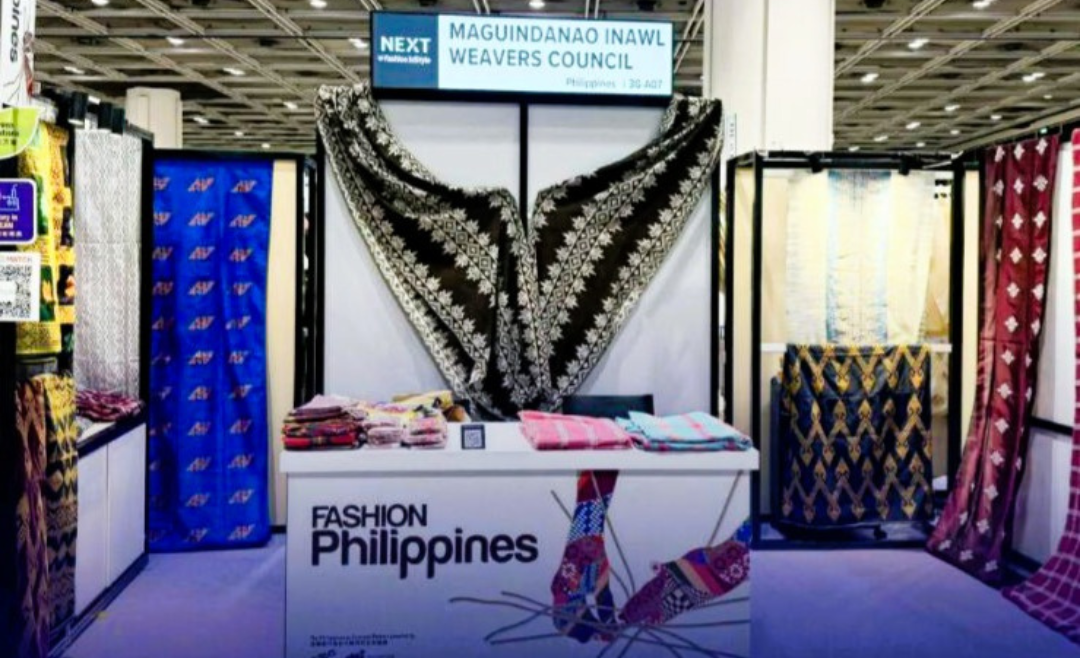
The heartbeat of Maguindanaon heritage is facing what local advocates call a “death sentence.” Since 2017 the infiltration of machine-produced fabrics has evolved from a distant warning into an immediate assault on the Inaul and Landap traditions.
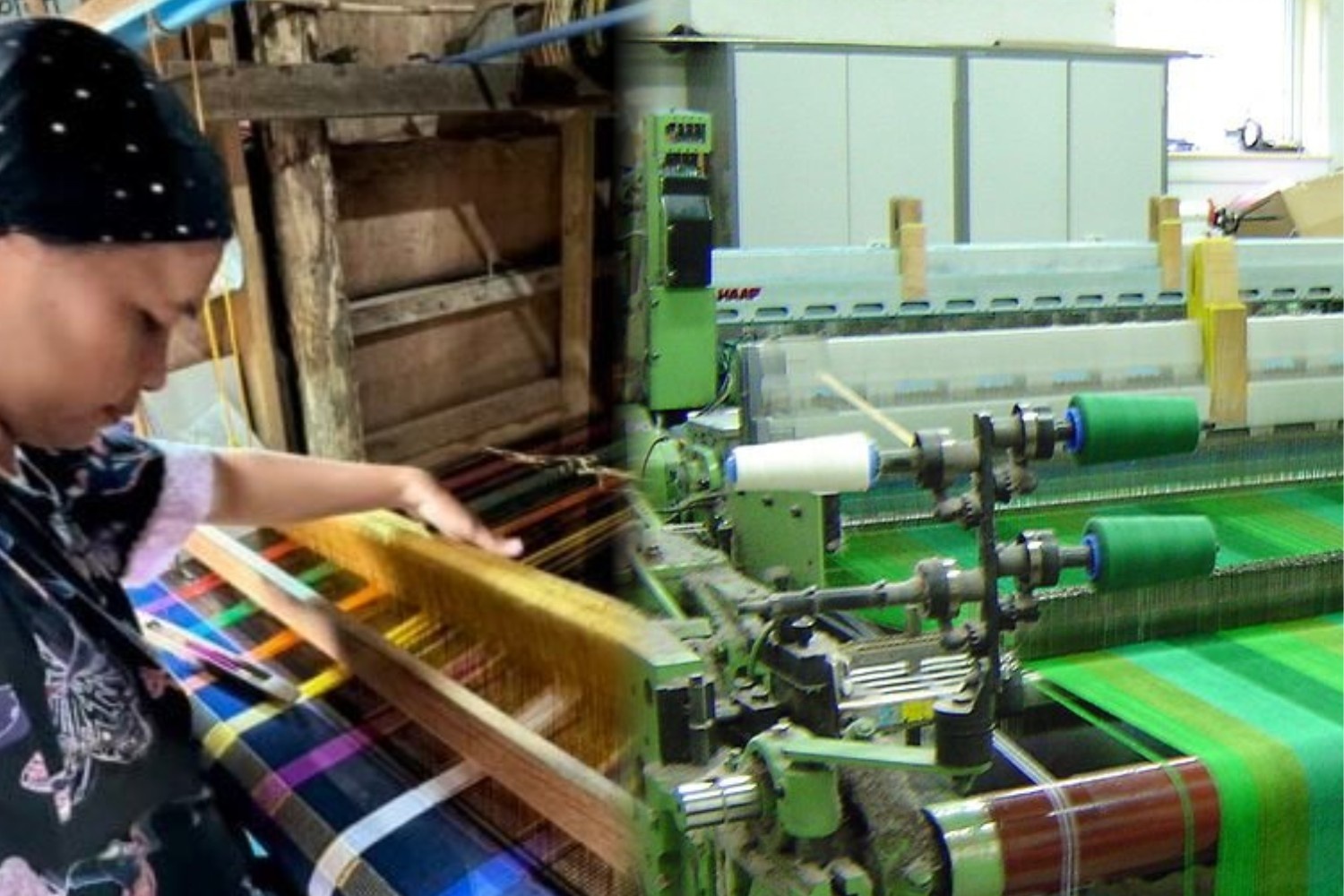
Today, we are witnessing more than just “inspiration,” we are seeing imitations, copying, replication, or whatever word you can use to describe it. These Thailand-made, machine-woven “songket” fabrics are mimicking traditional patterns with a deceptive accuracy designed to confuse the public and dominate the market. To the untrained eye, they may look the same but to the weaver, the difference is the difference between a living soul and a hollow shell.
“This is not just a copying issue—it’s a cultural and economic problem,” one Facebook user said.
The voices from the ground are devastated. For a weaver, every authentic Inaul represents weeks of specialized labor, ancestral meaning, and the very soul of a weaver and these mass-produced imitations prioritize nothing but fast profit.
They describe this phenomenon as a “silent killing,” where the market is slowly being poisoned by fakes that look “close enough” to the real thing.
To be clear: the community does not oppose cultural progress or affordable access. They do not mind the existence of printed fabrics that are sold for as low as Php 100 and intended for short-term events. Those are clearly identified as mass-produced and do not claim to be authentic. The real danger lies in “precision copying,” and machine-woven products designed specifically to impersonate, compete with, and eventually displace the authentic hand-weave at a higher price point. This is not about providing a “budget” option, it is about deceiving those who are unfamiliar with the craft.
For the community, the stakes are spiritual. “For us, it is haram—we will answer to Allah when our time comes,” states Malong Maguindanaon, highlighting that selling these falsehoods and passing off machine-made goods as sacred heritage is a betrayal of both faith and ancestry. They are calling out this predatory tactic for what it is: a move to replace the authentic hand-woven cloth by confusing the consumer.
This isn’t just about losing a product, it’s more on the erasure of living history that we people need to preserve. This is how a culture vanishes, not all at once, but thread by thread. Currently, there is no clear certification system or affordable protection for these sacred designs. Our weavers are then left to compete with industrial machines that have no connection to the land or the culture, no respect for the symbols, and no stake in our history.
Authentic weaving is a labor of love and a testament to Filipino identity. To choose a machine-made imitation is to disregard the hands that keep our history alive. We must demand transparency and ask the hard questions about where our fabrics truly come from.