The Philippines supplies about 80% of Japan’s fresh banana imports, with Japan accounting for 67.4% of Philippine banana export value in August 2026.
Japan remains overwhelmingly dependent on Philippine bananas, with the Philippines supplying about 80% of Japan’s fresh banana imports, according to Japan’s agriculture ministry.
The Ministry of Agriculture, Forestry and Fisheries of Japan said the country imported about 1.03 million metric tons of fresh bananas in 2024, of which about 820,000 tons were from the Philippines.
The latest Philippine trade data also show how important Japan remains to the local banana industry.
In August 2026, the Philippines exported $146.99 million worth of bananas, up 7% from $137.33 million a year earlier, according to the Philippine Statistics Authority.
Japan accounted for $99.01 million, or 67.4% of the Philippines’ total banana export value during the month. China followed with $22.31 million, or 15.2%, while South Korea accounted for $12.08 million, or 8.2%.
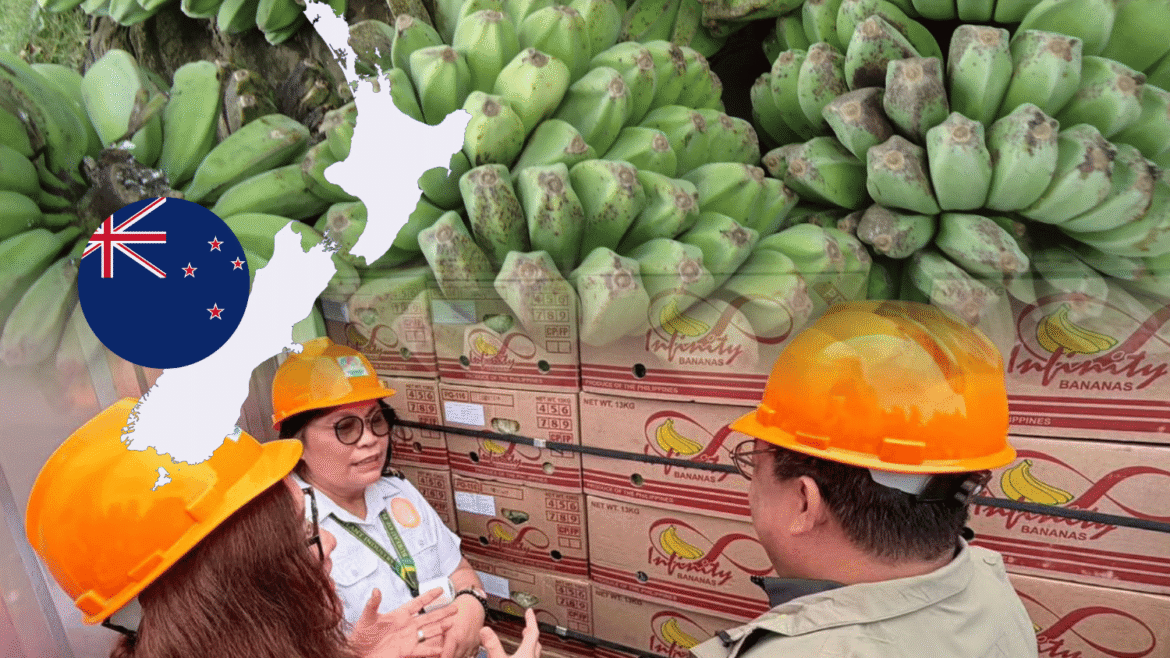
The Philippines also shipped bananas worth $7.14 million to the United Arab Emirates and $4.40 million to New Zealand.
Despite the higher export value, total banana shipments fell 1.5% year on year to 250,980 metric tons from 254,920 metric tons in August 2025.
The figures cover fresh Cavendish, Saba, Latundan, Señorita, and Morado bananas.
However, bananas remain a relatively small part of the Philippines’ overall export basket. Total merchandise exports reached a record $9.11 billion in August, up 27.8% year on year, with electronic products alone accounting for $6.20 billion, or 68.1% of export sales.
Still, the banana trade illustrates how deeply Philippine agriculture is tied to specific foreign markets, particularly Japan, where Philippine bananas have remained the dominant source of fresh banana imports.
The strong demand from Japan provides an important export market for Philippine-grown bananas, particularly for producers in Mindanao, where much of the country’s banana industry is concentrated.
Sustained export orders can support farm incomes and jobs across growing, packing, processing, and logistics, although the actual benefit to farmers depends on farmgate prices, production costs, and how much of the export value reaches producers.
READ: