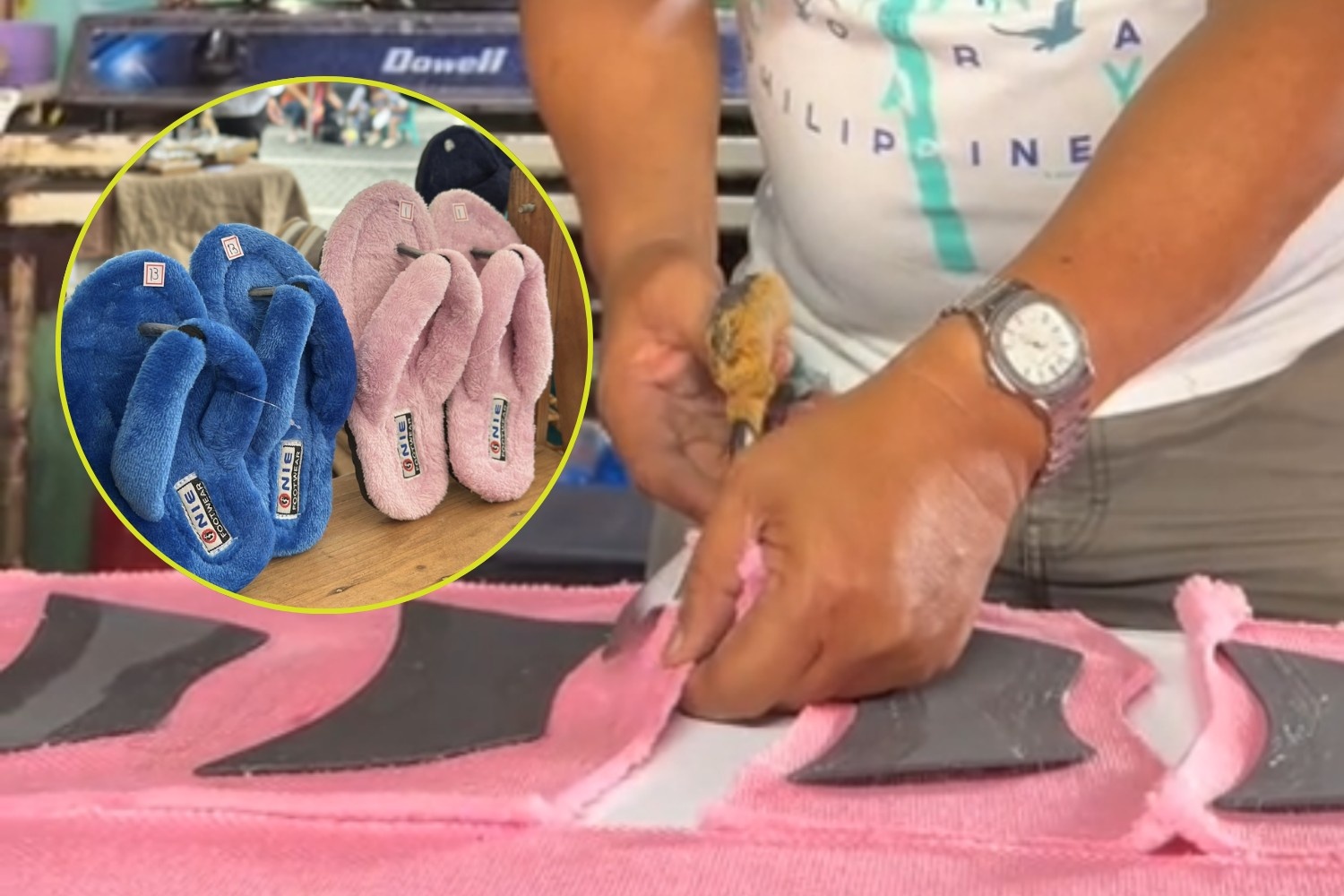
A local slipper-maker’s viral appeal highlights the struggle of Filipino artisans.
For many Filipinos, asking for a discount is almost second nature. At palengkes, tiangges, and ukay-ukays, “Pwede pong tumawad?” has long been part of the shopping experience—a small ritual of practicality, charm, and survival in a difficult economy.
But what happens when the item being haggled over is not mass-produced, but carefully handmade by local workers trying to make an honest living?
That question sparked conversation online after Lolo Onie, co-owner of Onie Footwear with his wife Rechilda, shared why they hesitate to lower the prices of their handcrafted slippers despite customers constantly asking for discounts.
According to Lolo Onie, there is nothing inherently wrong with haggling. He understands that many Filipinos are simply trying to stretch limited budgets. But he hopes customers also recognize the amount of labor, time, and rising costs behind every pair they sell.
Unlike factory-made products produced in bulk, each slipper is handmade—requiring longer hours, manual effort, and careful craftsmanship from workers who depend on the business for livelihood.
“Ito, mga apo, hindi lang basta negosyo. Ito ang bumubuhay sa aming pamilya at sa aming mga pamangkin na manggagawa na nakikita niyo,” he shared.
Lolo Onie explained that materials have become significantly more expensive over the years, leaving very little room for profit. The only way they could substantially lower prices, he said, would be to sacrifice quality—something he refuses to do.
For him, durability matters more than quick sales. He wants customers to use their slippers for at least a year or even longer, instead of buying cheaper products that wear out quickly.
Many netizens sided with the couple, saying Filipinos should learn to value local craftsmanship more and stop treating handmade goods the same way they treat imported, mass-produced products. Others also vouched for the quality of Onie Footwear’s slippers, saying the products last for years and justify the price.
The discussion reflects a larger reality in the Philippines today, where inflation continues to push consumers to seek the lowest possible prices while small local businesses struggle to survive rising production costs.
In a culture where “tawad” has become normalized, the story of Lolo Onie reminds many Filipinos that behind every handcrafted product is not just a price tag—but hours of labor, experience, and people trying to sustain a livelihood with dignity.
READ: