It’s just about the size of a matchbox.
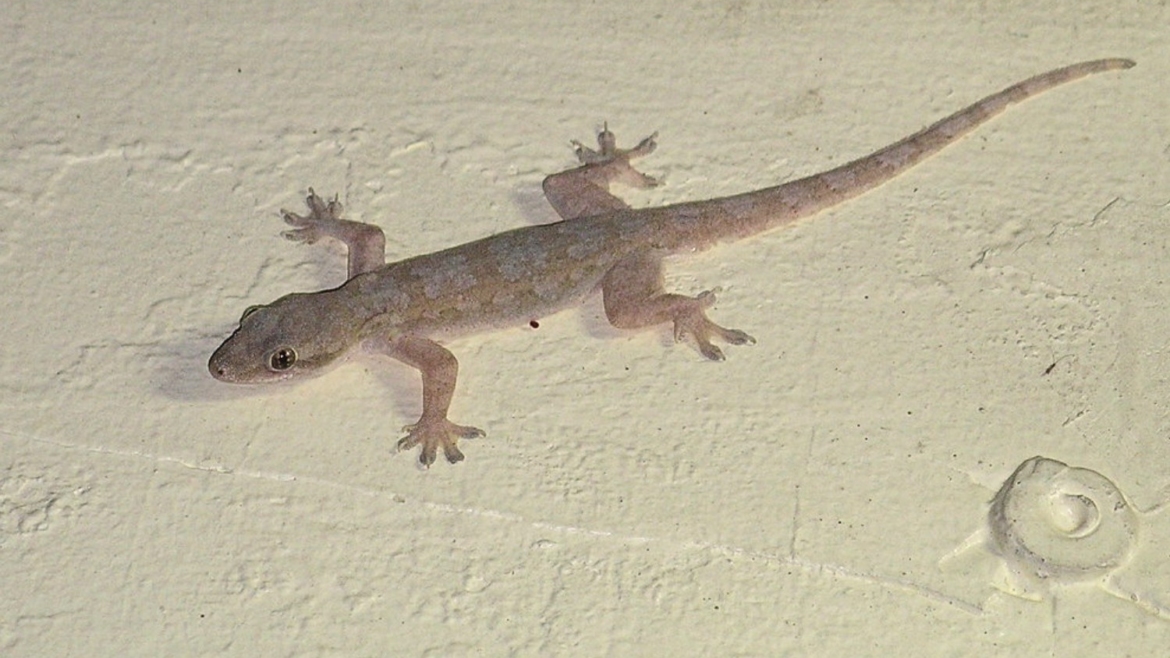
It’s not the Pokémon Treecko. It’s not your average gecko either. Meet Pseudogekko hungkag, a rare gecko species from Bicol.
Also known as the hollow-dwelling forest gecko, the National Museum’s Bicol office has noted that Pseudogekko hungkag got its name from the Greek word for false (“pseudo”) and the gecko family (“gekko”). The Filipino word for hollow or empty (“hungkag”), meanwhile, pertains to the gecko’s unique choice of shelter.
They’re called “false geckos” because they’re not closely related to the common house geckos we usually see.
Small scale, big stakes
Discovered in 2020, the species is endemic to a regenerating secondary forest near the peak of Mt. Jormahan in Sorsogon. It’s just 42 and 52 millimeters long from snout to vent—about the size of a matchbox.
It’s small but adept at survival, thriving in bamboo stems, tree branch cavities, and other tube-shaped or sheltered microhabitats in relatively undisturbed forests. Its coloration helps it blend seamlessly into its surroundings.
Their habitats, however, are under threat. The species remain unprotected in the region—with ongoing forest disturbances putting them at risk, especially around volcanic peaks.
Already classified as endangered, Pseudogekko hungkag may disappear just as quickly as it was discovered. For its protection, the Museum recommended expanding biodiversity surveys in poorly studied areas, promoting forest conservation and reforestation, advocating for the inclusion of its habitats in protected areas, and strengthening collaborations among scientists, local communities, and government agencies.
They’re called “false geckos” because they’re not closely related to the common house geckos we usually see.
READ: