Refrigerating and reheating rice can make it slightly friendlier for blood sugar and gut health
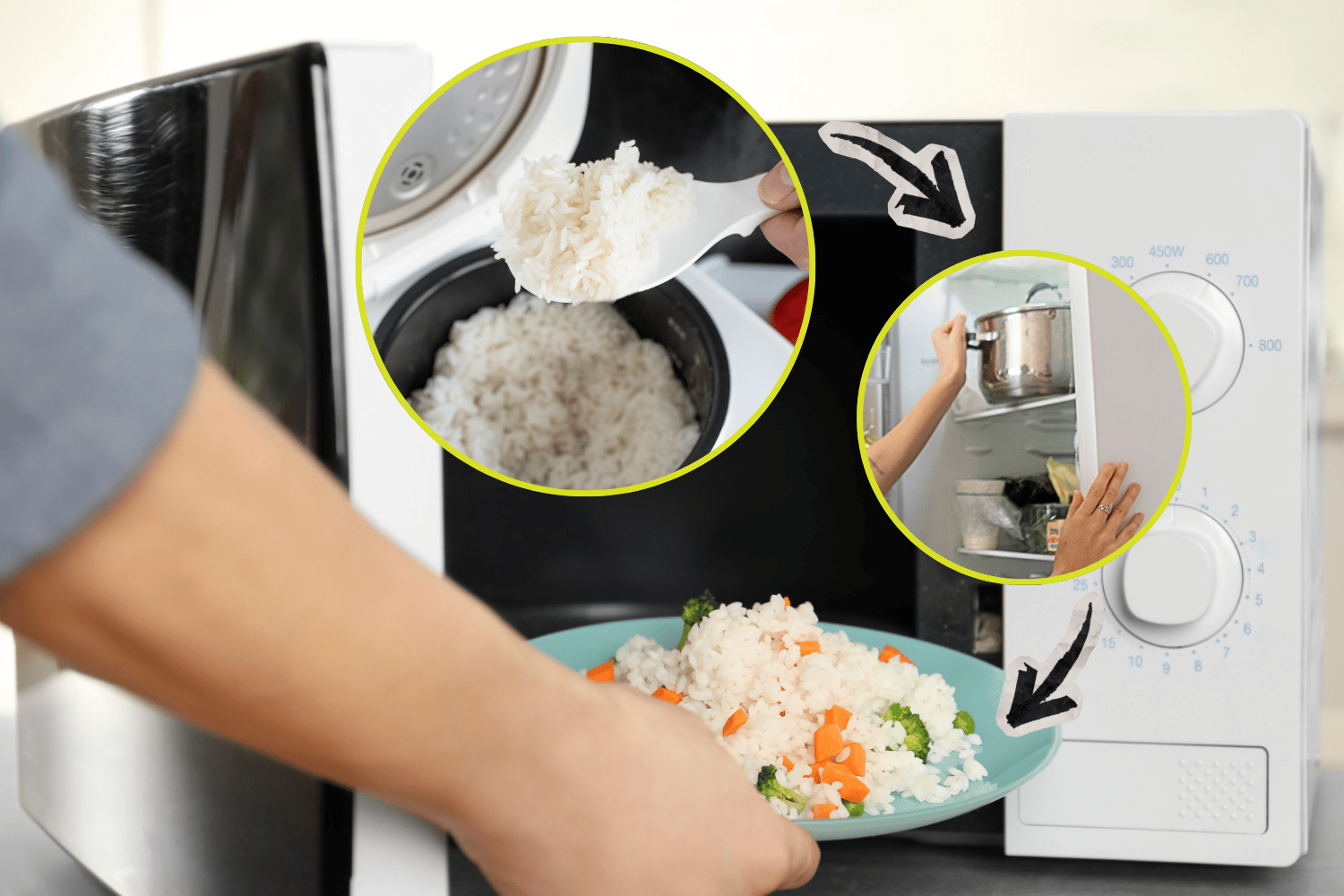
It sounds like another internet health hack: cook rice, refrigerate it overnight, then reheat it the next day to make it healthier.
Surprisingly, the science is real.
When cooked rice cools, part of its starch undergoes a natural process called retrogradation, forming resistant starch—a type of carbohydrate that resists digestion and behaves more like dietary fiber. Studies show this change remains even after reheating, meaning leftover rice can trigger a lower blood sugar response than freshly cooked rice.
A 2015 study published in the Asia Pacific Journal of Clinical Nutrition found that rice refrigerated for 24 hours and then reheated contained 2.5 times more resistant starch than freshly cooked rice. Participants who ate the reheated rice also experienced significantly lower post-meal blood sugar levels.
Another clinical trial published in Nutrition & Diabetes in 2022 found that cooled and reheated rice improved post-meal glucose control among people with Type 1 diabetes, although researchers cautioned that insulin doses should never be adjusted without medical supervision.
Resistant starch also acts as a prebiotic, reaching the colon where beneficial bacteria ferment it into short-chain fatty acids like butyrate, which help support gut health. Several reviews have linked resistant starch consumption to improved insulin sensitivity and better metabolic health, although researchers say more long-term studies are needed.
However, experts caution against overselling the benefits.
Refrigerated rice is not low-carb, nor does it magically lose half its calories. The increase in resistant starch is measurable but relatively modest, and portion size still matters. Eating too much reheated rice will still raise blood sugar.
Food safety is equally important. Cooked rice should be cooled quickly and refrigerated promptly because Bacillus cereus bacteria can multiply if rice is left at room temperature for too long. Reheating cannot always destroy toxins already produced.
The verdict? The resistant starch concept is backed by science, not myth. Refrigerating and reheating rice can make it slightly friendlier for blood sugar and gut health—but it’s a small nutritional upgrade, not a miracle hack.
READ: