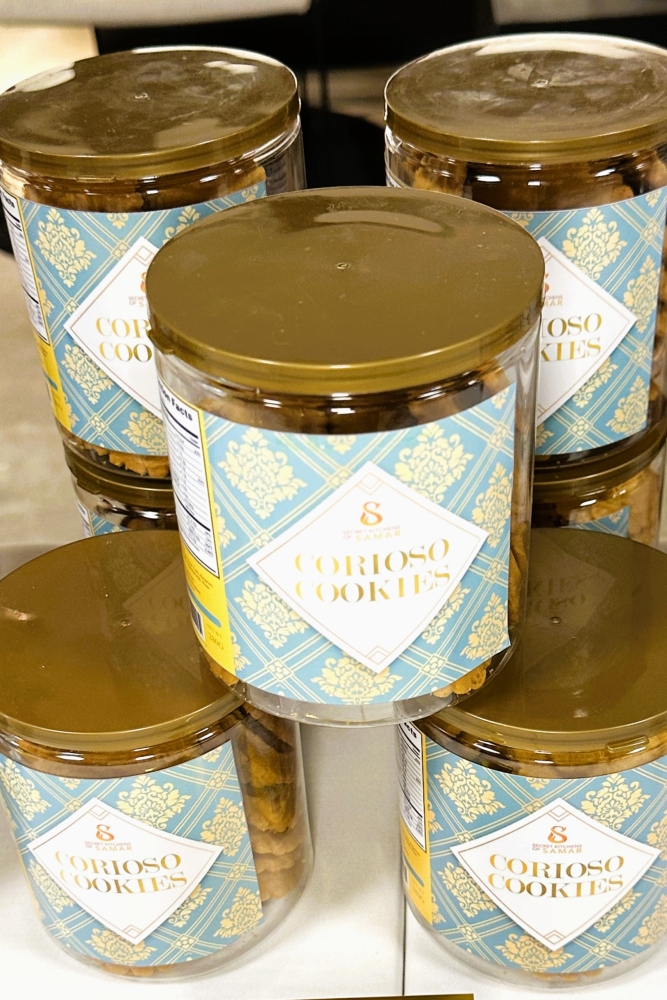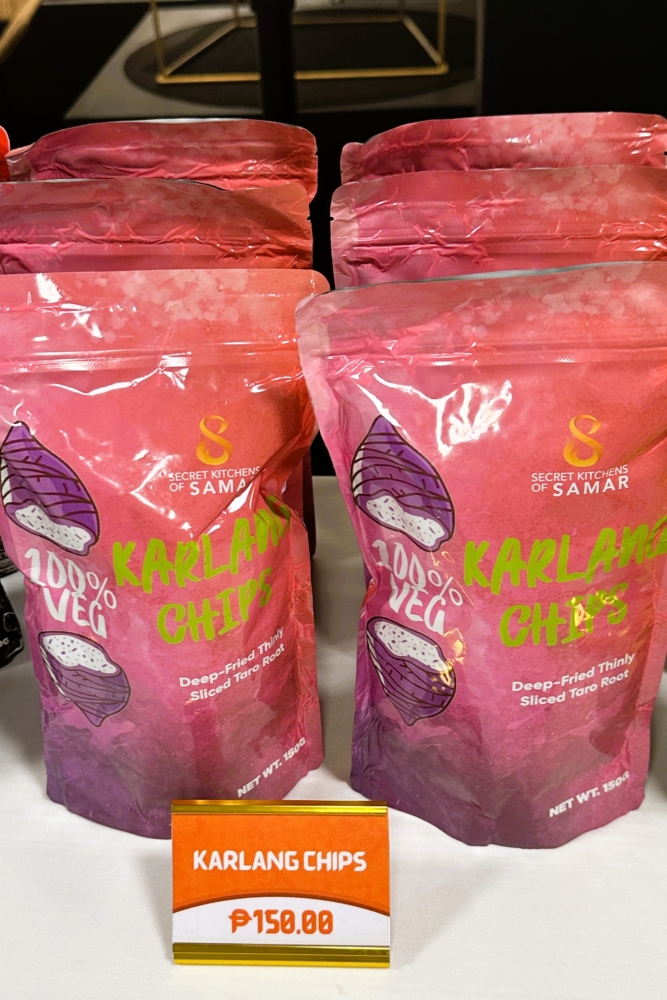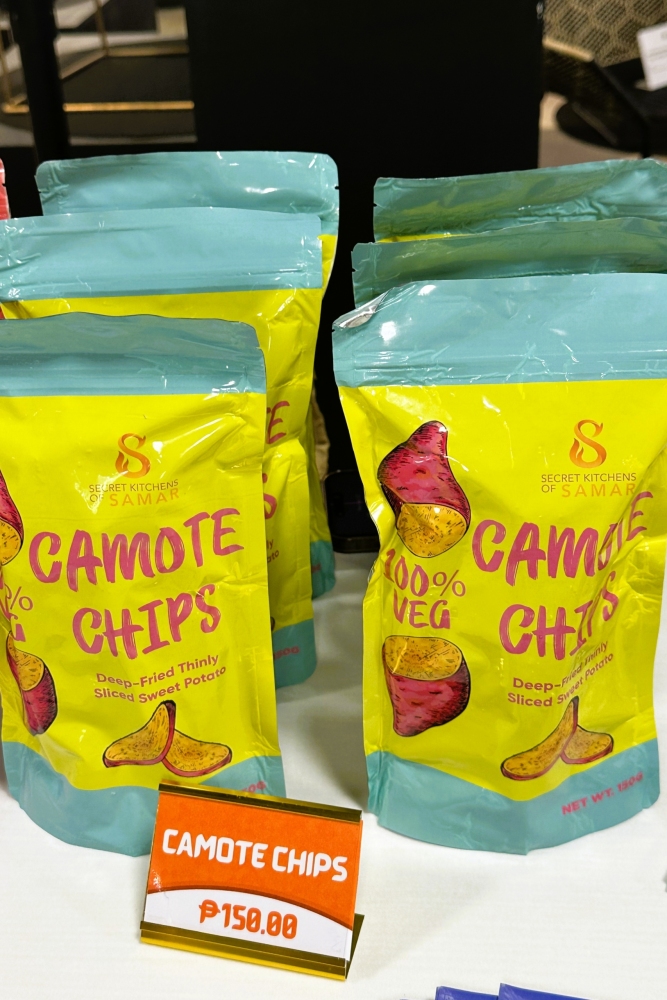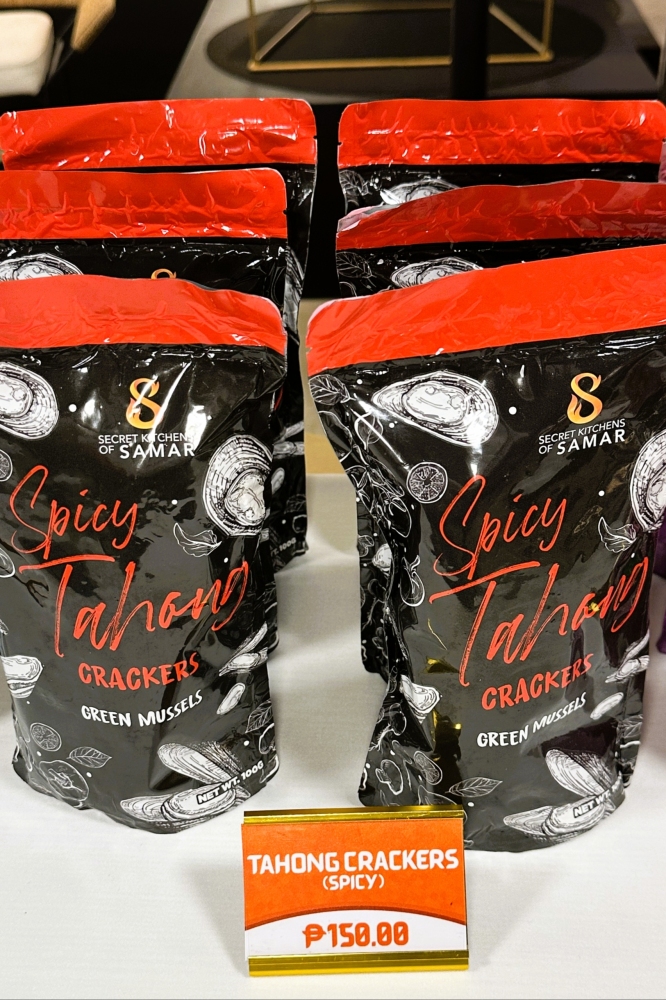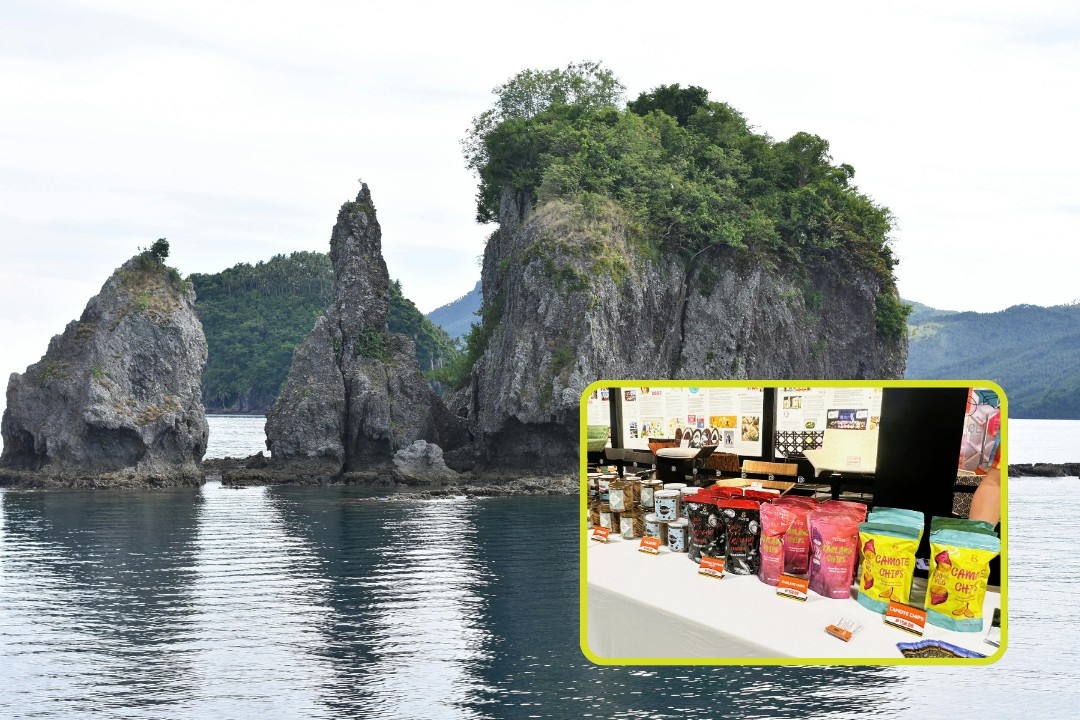
Known for its rugged landscapes and hidden caves, Samar is finally opening its private family kitchens to the world.
As the third-largest island in the Philippines, Samar has been defined by the force of the Pacific and a landscape carved by labyrinthine cave systems and thundering waterfalls. But beyond its reputation as an adventurer’s frontier, Samar holds a deeply private, sophisticated cultural identity. Unlike the more commercialized hubs of the Visayas, Samar has long kept its traditions close to the heart—especially when it comes to the kitchen.
The Secret Kitchen of Samar
In celebration of Filipino Food Month this April, the Secret Kitchens of Samar showcased the rich and vibrant Samarnon food culture and identity through the event entitled “Food WednesDates,” held at the Likhang Filipino Exhibition Hall last April 22.
A landmark cultural project, it promotes the cultural heritage of Samar through its heirloom recipes created by ancient families and handed down to generations. Thus, it can be said that the culinary identity of Catbalogan City was defined by “secret” family recipes.
According to Samar Culture and Arts Officer Marvin Piczon, these dishes were treated like family jewels—guarded within lineages and never shared with neighbors.
“Long ago, bawat old family ng Catbalogan City–may kanya-kanyang recipe,” Piczon explains. “Each family didn’t want to share their recipe; it had to stay with them.”
However, this secrecy came at a cost: extinction. As younger generations moved away or lost interest, many traditional dishes simply vanished.
Today, the Secret Kitchens of Samar act as a bridge, empowering “kitchen heroes” and local farmers to bring these guarded flavors into the light before they are forgotten by history.
The heirloom stars: Catbalogan’s heavy hitters
During a live cooking demo by cook Niño Quiañio, two standout dishes illustrated the complexity of Samarnon cuisine:
Bola Catalana
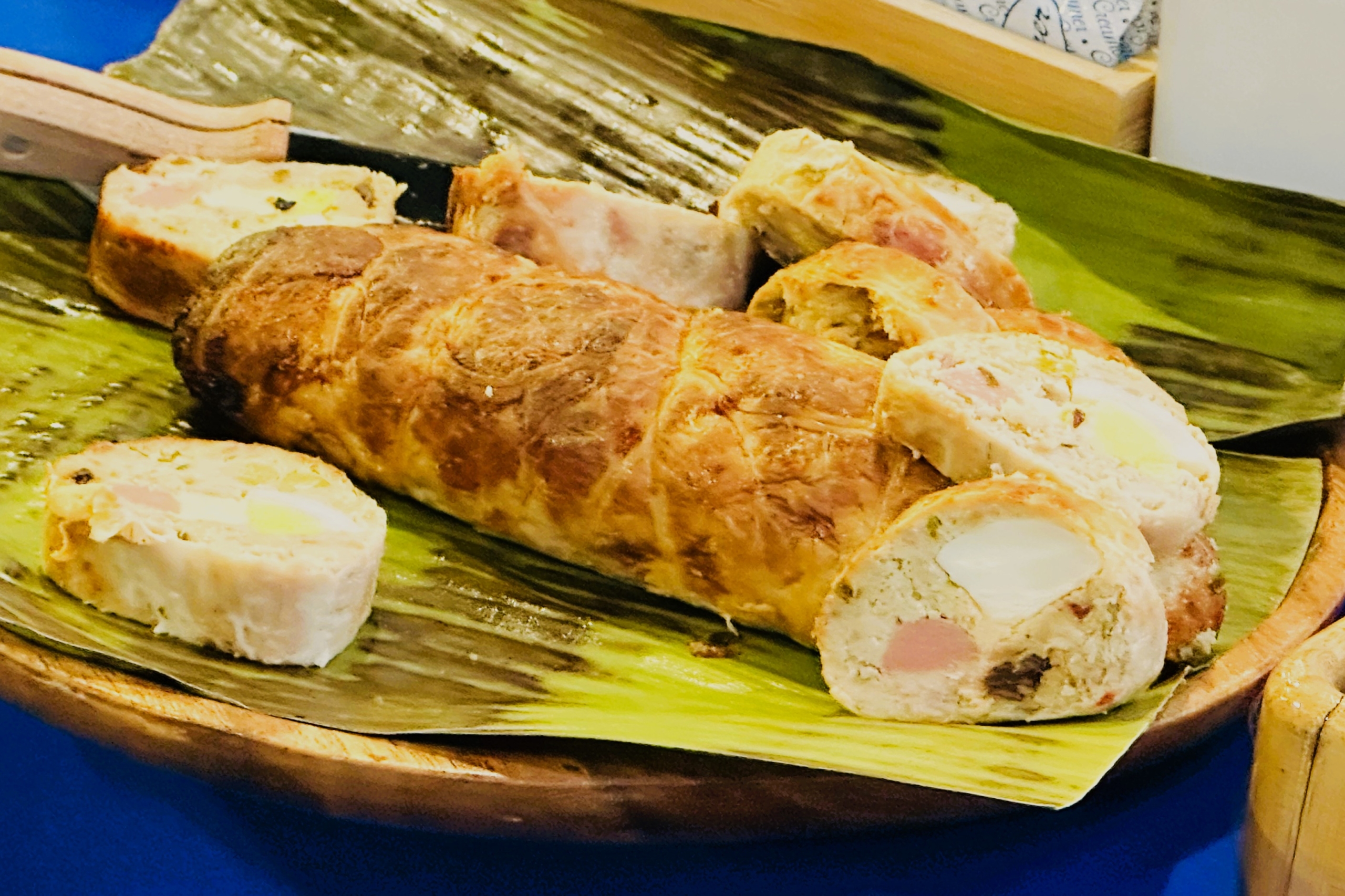
Think of this as the sophisticated, smoky ancestor of the embutido. This Spanish-influenced meatloaf is crafted from ground pork mixed with green peas, raisins, pickles, pimiento, and breadcrumbs—a binder ingredient to keep the structure of the meatloaf. Unlike the typical steamed embutido, the Bola Catalana is wrapped in swine’s skin known as caul fat or sinsal and baked, resulting in a complex, sweet-savory profile with a distinct, smoky taste, unlike embotido which is steamed.
Tamalos
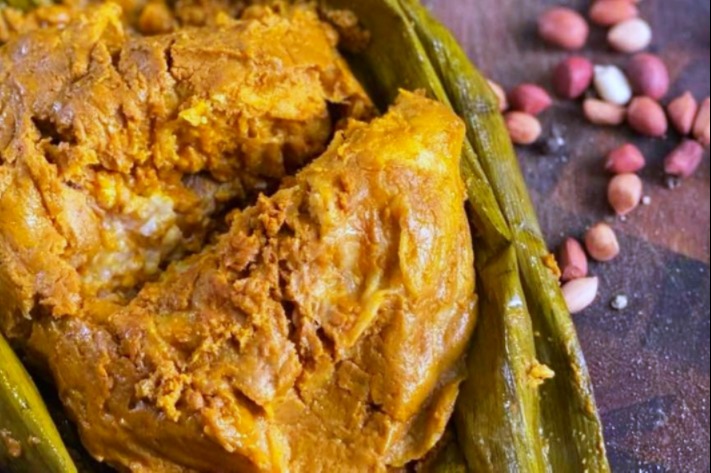
A decadent cousin to the Mexican tamale, the tamalos is perhaps Samar’s most indulgent offering. It features tender pork belly and glutinous rice wrapped in a lumpia wrapper and banana leaf, but the star is the rich, thick peanut sauce. Every bite is a balance of nutty, sweet, sour, and spicy notes.
Samar’s signature snacks