Nemawashi shows how development can happen without ecological shock.
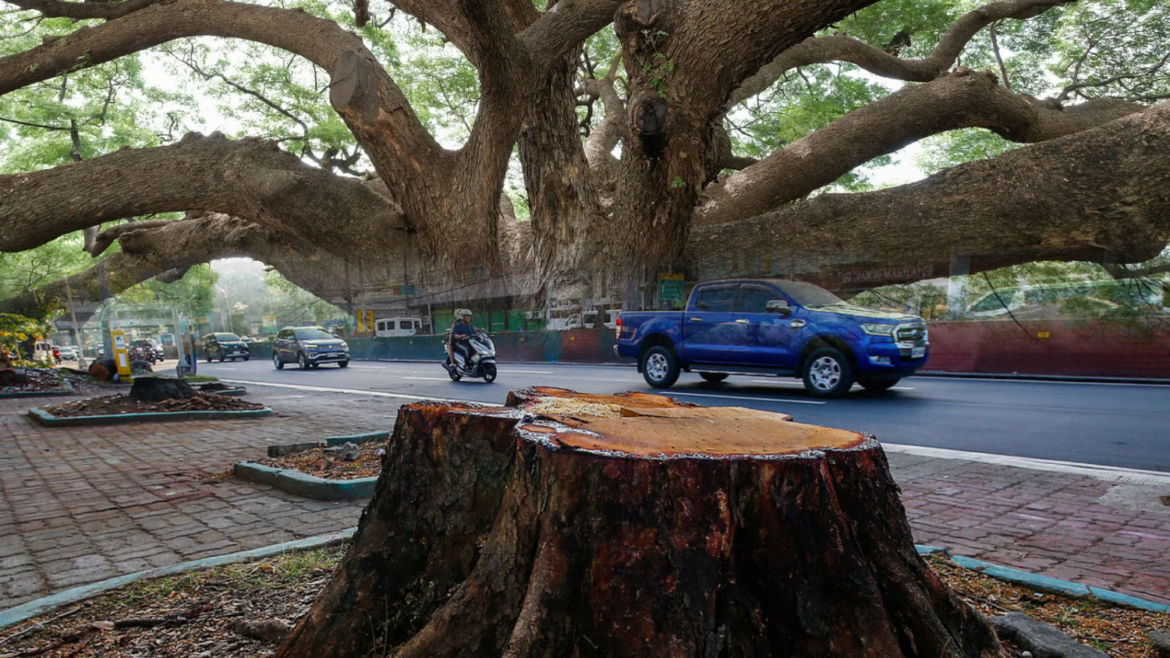
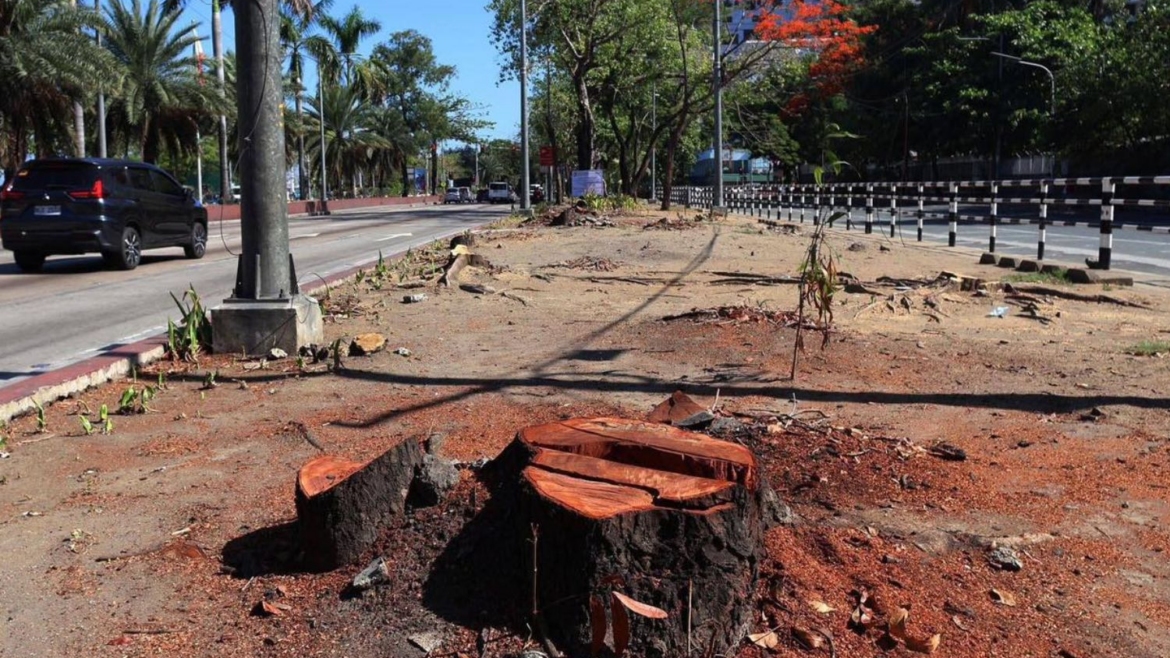
The outrage over the mass cutting of mature trees along Quirino Avenue did not begin with chainsaws. It began with shock.
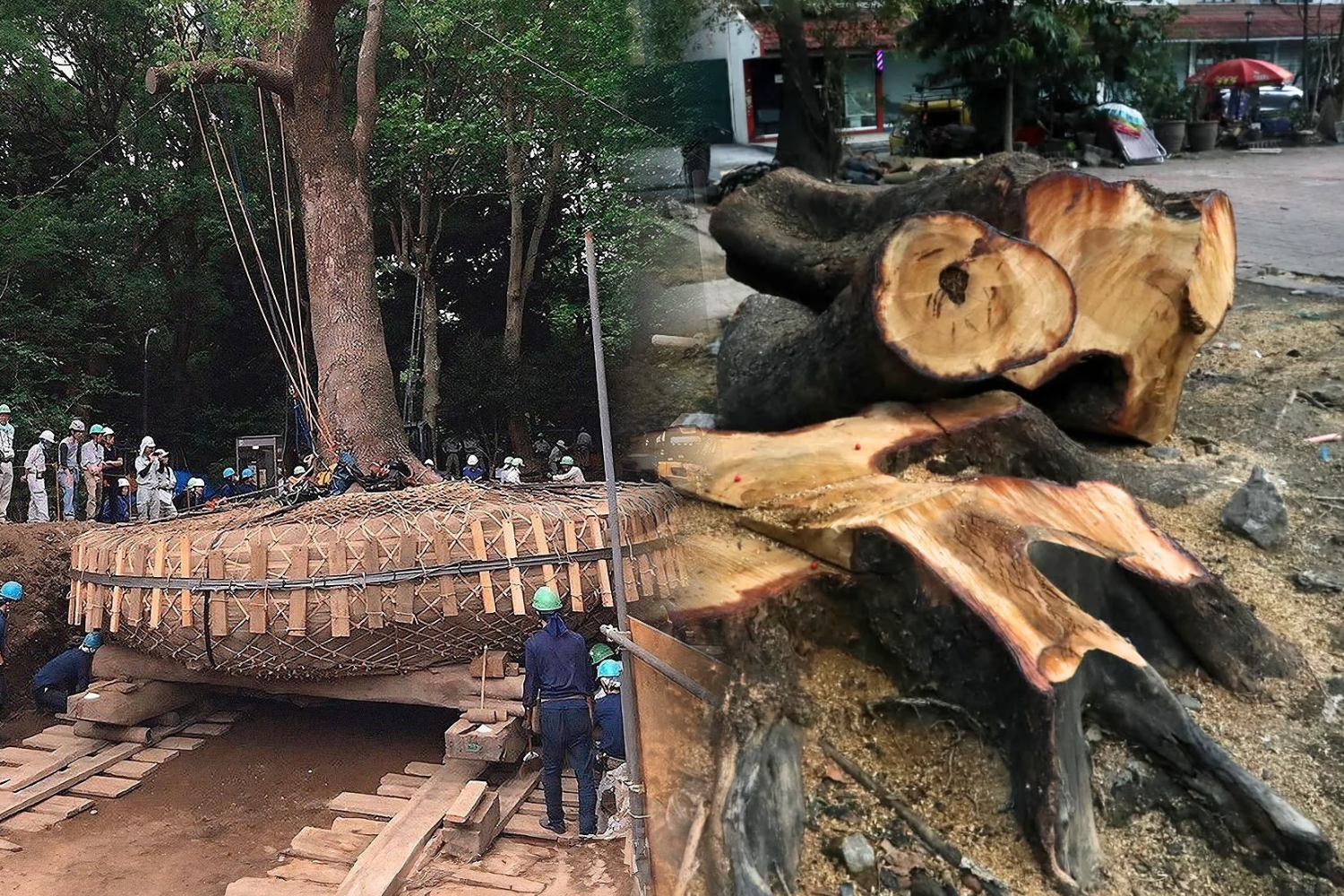
Motorists suddenly found familiar shaded roads stripped bare. Residents woke up to rows of trunks and severed branches where towering trees once stood. Online, Filipinos described the sight as “ecological violence,” mourning not just the loss of greenery, but the feeling that something permanent had been erased too quickly.
Now that the tree-cutting operations connected to the SMC Infrastructure-led Southern Access Link Expressway or SALEX have been temporarily halted, perhaps there is a lesson worth borrowing from Japan — not just in engineering, but in philosophy.
It is called nemawashi.
The word literally means “wrapping around the roots.” Originally, it referred to the delicate horticultural process of preparing a mature tree for transfer. Instead of uprooting a tree immediately, Japanese gardeners slowly prune its roots months in advance, allowing new feeder roots to grow closer to the trunk. By the time the tree is moved, it has already prepared itself to survive elsewhere.
It is a patient process rooted in care, foresight, and respect for living systems.
In Japan, however, nemawashi evolved beyond gardening. It became one of the foundations of Japanese corporate culture — the quiet art of preparing people before making major decisions. Before a project is formally announced, stakeholders are individually consulted. Concerns are addressed privately. Resistance is understood instead of bulldozed. By the time the official meeting happens, consensus has already taken root.
The philosophy is simple: rushing major change destroys systems.
That is perhaps the clearest contrast with what happened along Quirino Avenue.
The SALEX project itself is massive in scale — a proposed 40-kilometer elevated and shoreline expressway network intended to decongest Metro Manila and improve access to the future New Manila International Airport in Bulacan. But while infrastructure projects often emphasize speed, efficiency, and connectivity, cities are not just made of roads and concrete. They are ecosystems composed of communities, histories, and living things that cannot simply be replaced by seedlings overnight.
The issue was never just about trees.
It was about mature trees — decades-old urban canopies that cooled roads, absorbed floodwater, filtered pollution, softened noise, and made one of Manila’s hottest corridors more bearable for ordinary commuters. These were not decorative shrubs. They were functioning infrastructure.
And unlike steel beams, mature trees cannot be “rebuilt” quickly.
The standard compensation model requiring tens of thousands of replacement seedlings may look impressive on paper, but urban ecologists have long pointed out a painful truth: a newly planted sapling may take decades before it can provide even a fraction of the ecological services of a mature tree — assuming it survives at all.
This is where nemawashi becomes more than a Japanese business term. It becomes a possible framework for how Philippine development projects should operate.
What if infrastructure planning treated environmental systems the way Japanese gardeners treat mature trees?
What if consultations with residents, environmental groups, urban planners, arborists, and transport experts happened deeply and transparently before irreversible actions began?
What if “development” included redesigning routes to preserve critical tree lines instead of treating them as disposable obstacles?
What if agencies considered earth-balling and relocation not as PR damage control after backlash, but as the default starting point?
To practice nemawashi in the Philippines does not mean rejecting infrastructure. Metro Manila undeniably needs better transport networks. Traffic congestion drains billions from the economy and steals time from millions of Filipinos every day.
But nemawashi asks a more difficult question: Can progress happen without violently shocking the systems that already sustain urban life?
Because the irony is impossible to ignore. The original meaning of nemawashi was literally invented to save trees before moving them.
Today, it may also be the very mindset needed to save what remains of Quirino Avenue.
The temporary halt in tree-cutting gives both the Department of Environment and Natural Resources and SMC Infrastructure an opportunity rarely seen in Philippine infrastructure controversies: a chance to slow down before the damage becomes irreversible.
Not every root needs to be severed immediately.
Sometimes the wiser path is to prepare carefully first — quietly, patiently, and with the understanding that systems survive longer when treated with respect.
In Japan, nemawashi evolved beyond gardening. It became one of the foundations of Japanese corporate culture — the quiet art of preparing people before making major decisions.
READ:
OPINION: Trading mature trees for seedlings is an ecological sham that leaves Manila burning
Walter C. Villa
May 26, 2026
EXPLAINER: What one mature tree actually does for city roads?
radar Lifestyle
May 27, 2026
BREAKING: Tree-cutting along Quirino Avenue suspended—for now
John Lloyd Aleta
May 27, 2026